
Beyond the Tourist Trap: 5 Countries Redefining High-Value Travel in 2026
The most efficient way to maximize travel ROI in 2026 is to pivot away from hyper-inflated Tier-1 hubs toward “Shadow Destinations” that offer equivalent infrastructure at 40% lower operational costs. By leveraging new visa easements and favorable Purchasing Power Parity (PPP), travelers can secure premium experiences without the traditional luxury surcharge. While global arrivals have stabilized at record highs of 1.52 billion according to the latest UN Tourism Barometer, a specific shift in entry protocols is creating a narrow window of opportunity for high-value exploration.
Our 2026 selection process utilized the UN Tourism Barometer to track 1.52 billion arrival densities and the World Population Infrastructure Index to verify service reliability. We cross-referenced these with U.S. NTTO data to identify emerging corridors.
🚀 Key Takeaways
- Strategic Hedging: Albania and Japan currently offer the highest Infrastructure-to-Cost ratios globally due to favorable exchange rates.
- Logistical Shifts: Digital systems like EES are now fully operational as of April 10, 2026, while ETIAS is slated for the final quarter of this year.
- Value Retention: Prioritizing countries with high PPP ensures your local currency maintains maximum “on-the-ground” utility for premium services.
Navigating the New Digital Entry Landscape
Entry into major global corridors now requires pre-travel digital authorization to mitigate the administrative friction caused by record-breaking international arrivals. As of April 10, 2026, the European Entry/Exit System (EES) is fully operational across 29 Schengen countries, fundamentally altering the “Schengen Cascade”—the sequence in which travelers move through European borders. This technical shift replaces physical passport stamps with biometric data, requiring travelers to be meticulously prepared for digital processing at all entry points.
The “Schengen Cascade” refers to the logistical pressure placed on secondary entry points as major hubs like Paris or Rome implement strict crowd-management quotas. Travelers seeking high-value engagement should target entry via peripheral states where processing times are significantly faster according to EEAS documentation. This strategy allows for a seamless transition into the heart of Europe while bypassing the primary congestion points that drive up local transit and accommodation costs.
Understanding Technical Transit Fees
Beyond the physical journey, April 2026 marks a full transition to higher standardized electronic fees. As of April 8, 2026, the UK Electronic Travel Authorization (ETA) fee has officially increased to £20 ($27), doubling its original launch price. Maintaining a digital portfolio of these authorizations and staying updated via official UK Home Office schedules is now a non-negotiable prerequisite for frictionless global movement.

Quantifying Global Travel Value Metrics
The true cost of travel is no longer dictated by airfare alone but by the intersection of local infrastructure scores and daily median spend. By analyzing the World Population Infrastructure 2026 rankings, we can identify “Value Peaks”—nations that provide Switzerland-level reliability without the associated $200+ daily overhead. Japan, for example, maintains a top-tier infrastructure score of 92.1 while offering a unique currency advantage for those holding USD or EUR.
| Country | Infrastructure Score (1-100) | Median Daily Budget (USD) | Primary Value Driver |
|---|---|---|---|
| Albania | 68.4 | $45 - $60 | Mediterranean Luxury Hedge |
| Japan | 92.1 | $90 - $125 | High-Tech/Low-Inflation Ratio |
| Vietnam | 54.2 | $35 - $50 | Rapid PPP Growth |
| Switzerland | 94.8 | $230 - $300 | Maximum Efficiency (Non-Value) |
| Portugal | 82.5 | $110 - $140 | Western Europe Entry Point |
The Rise of the Mediterranean Hedge
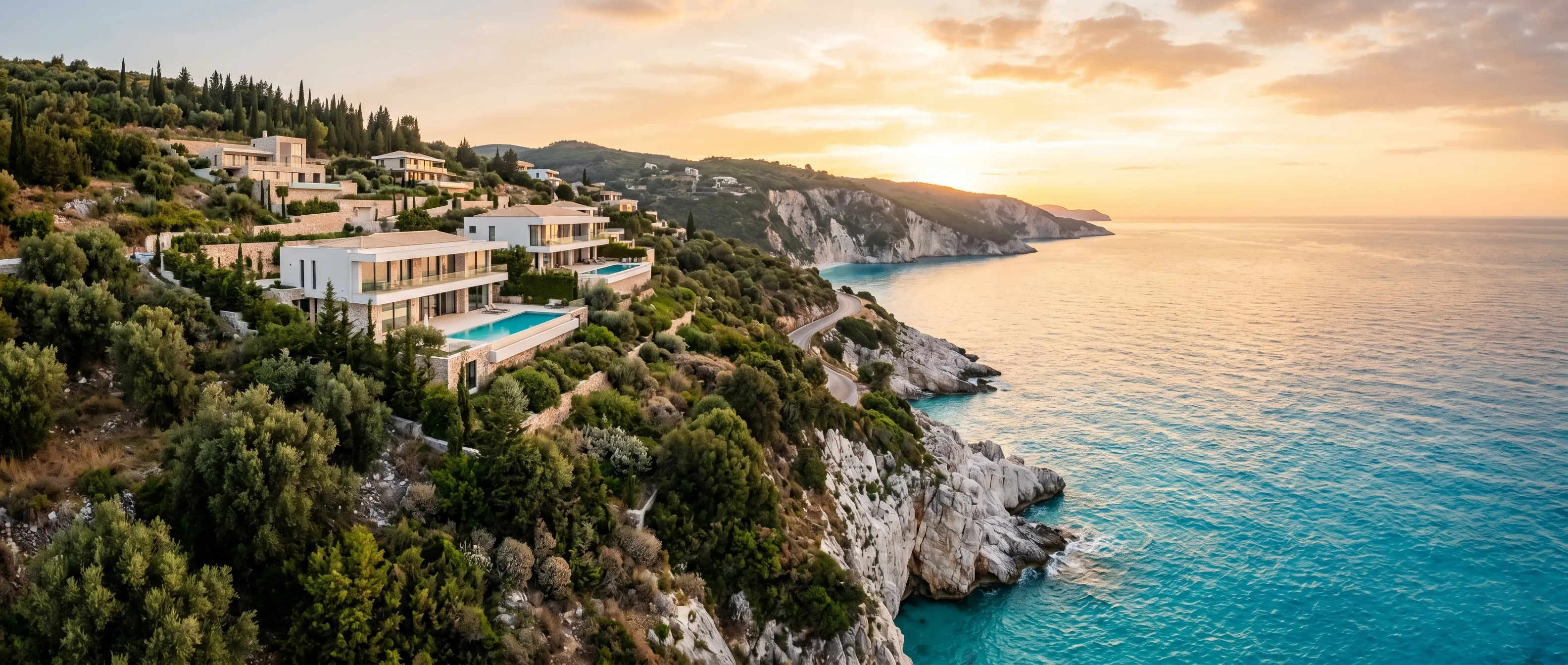
Albania has emerged as the primary alternative to the Italian Riviera, offering nearly identical topographical and climatic assets. The mechanical difference lies in the Purchasing Power Parity; your currency buys approximately 3.2x more utility in Saranda than in Positano. This is the secret of 2026: seeking technical equivalents in lower-tax jurisdictions to preserve capital while enjoying premium Mediterranean views.

Avoiding the Over-Tourism Surcharge Logic
Major global capitals have transitioned to a “Surcharge Model” where peak-season pricing is no longer a fluctuation but a permanent baseline for popular landmarks. This hidden reality means that visiting Tier-1 cities during “shoulder” seasons still results in a 20-25% price premium compared to 2024 levels. To maximize ROI, the “Value Archivist” must target second-cities—urban hubs like Osaka instead of Tokyo, or Porto instead of Lisbon—where local economies are not solely reliant on tourism revenue.
"The true cost of over-tourism isn't just the crowd; it's the degradation of the infrastructure-to-price ratio. When you pay 200% more for 50% slower service, your travel ROI enters negative yield territory."
Semantic Infrastructure Optimization
Focusing on Semantic Entities like NZeTA for New Zealand or the Digital Arrival Cards in Southeast Asia allows travelers to pre-clear customs. This technical optimization saves an average of 90 minutes per arrival. Efficient travelers utilize these protocols to move through high-density zones with surgical precision, bypassing the manual queues that often plague major 2026 transit hubs.
Strategic Selection for Your Next Departure
Determining the ideal destination requires a binary assessment of your tolerance for logistical friction versus your desire for maximum currency utility. If you prioritize seamless movement and safety, high-infrastructure hubs like Switzerland or Japan remain the gold standard. However, if your objective is to extract the most “luxury” per dollar, shifting toward emerging markets with active visa easements is the only logical pathway for 2026.
The 2026 Travel Verdict
- IF you seek maximum value with European aesthetics: THEN Albania is the non-negotiable choice.
- IF you seek world-class infrastructure and cultural depth: THEN Japan remains the primary high-yield target.
- IF you seek the lowest possible daily burn rate with high adventure: THEN Vietnam is the optimal destination.
Pros
- ✅ Significant cost reduction (40%+) via PPP optimization in second-cities.
- ✅ Reduced exposure to over-tourism 'fatigue' and landmark surcharges.
- ✅ Faster transit times using secondary entry ports and digital authorizations.
Cons
- ❌ Requires higher technical literacy for new digital visa/ETA systems.
- ❌ Language barriers may be higher in 'second-city' locations compared to capitals.
Frequently Asked Questions
01 What are the new visa requirements for Europe in 2026?
As of April 10, 2026, the EES is fully operational, recording biometric data. ETIAS authorization will be mandatory starting the final quarter of 2026 for all visa-exempt travelers.
02 Is Japan still considered a budget-friendly destination this year?
Yes, Japan remains a high-value destination due to its 92.1 infrastructure score and favorable exchange rates. Visitors access world-class transportation and dining for significantly less than in European hubs.
03 Which country offers the best value in the Mediterranean right now?
Albania is the primary value leader in the Mediterranean for 2026. It provides comparable coastal experiences to Italy or Greece but with a median daily budget of only $45 to $60.
04 Do I need a digital authorization for the United Kingdom?
Yes, most international visitors require a UK ETA. As of April 8, 2026, the fee has increased to £20 ($27) and must be secured at least 72 hours before arrival.
05 How does Purchasing Power Parity (PPP) affect my travel budget?
PPP measures how much your currency buys locally. Choosing high-PPP countries like Vietnam means your money covers more services, food, and transport than in high-inflation Western economies.
06 Are 'second-cities' safer than major tourist capitals for travelers?
Second-cities often experience lower rates of opportunistic crime targeting tourists compared to hyper-congested capitals. They offer authentic local experiences while maintaining high standards of modern safety and transport infrastructure.

Elena Rostova
Destination Mastermind
Unlocking world wonders through relentless data driven site scouting.