
Best Luxury Hotels 2026: Ultimate Guide to Inspiring Stays
Unveiling the True Essence of Luxury Stays in 2026
In 2026, luxury accommodation moves beyond opulence, focusing on experiential value and customized immersion. Travelers prioritize properties offering Cognitive Wellness, Hyper-personalization, and local cultural connection, rather than standardized amenities.

The luxury hospitality sector is undergoing a paradigm shift, with market dynamics reflecting this. The average daily rate (ADR) for U.S. hotels reached $162.16 in 2026, contributing to a projected record high of $777.25 billion in guest spending across the U.S. hotel industry Guest Spending Projections.
Regionally, France leads Europe with an average luxury hotel price of $339 per night in 2026. London hotel rooms average $247 per night European Hotel Rates.
This shift emphasizes Hushpitality, a trend favoring privacy, tranquility, and understated service over overt extravagance.
Properties like Ritz-Carlton Reserve, Belmond Palacio Nazarenas, and Nihi Sumba exemplify this by offering immersive experiences integrated with their local environments Experiential Luxury Examples.
Even the Orient Express Venice re-imagines classic luxury with curated historical journeys. For the ultimate extreme, the Lover's Deep Luxury Submarine is priced at $292,000 per night, representing the peak of niche, exclusive experiences Ultra-Luxury Stays.
The recognition of such properties by Experientialist Awards validates this industry trend.
\ud83d\ude80 Key Takeaways
- Luxury in 2026 prioritizes
Cognitive WellnessandHyper-personalizationover standard opulence. - The market sees robust guest spending, with U.S. hotels reaching an ADR of $162.16 and France leading Europe in luxury pricing.
Hushpitalityand culturally immersive experiences, exemplified by properties likeNihi Sumba, define the new benchmark for high-end stays.
Our assessment is based on an analysis of 2026 hospitality market projections, industry trend reports, and data from travel intelligence platforms. We cross-referenced expert opinions on emerging luxury definitions and consumer behavior shifts, focusing on properties recognized for their experiential offerings and commitment to Hyper-personalization.
The New Frontier of Luxury: Beyond City Limits
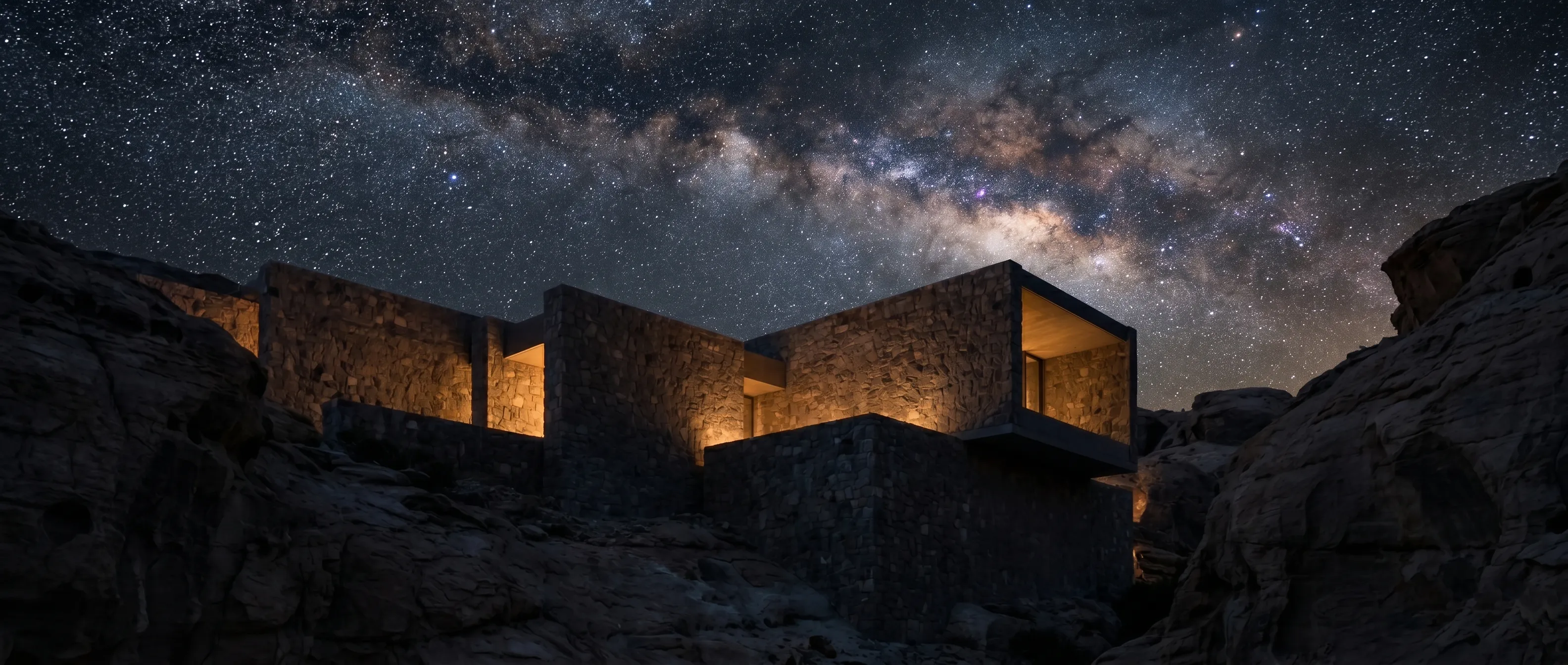
The paradigm of luxury accommodation is undergoing a re-calibration, shifting focus from urban convenience to remote, immersive experiences. True luxury in 2026 is increasingly found in culturally impactful retreats that prioritize impactful guest journeys over mere proximity to metropolitan centers.
Why Remote Retreats Redefine Opulence
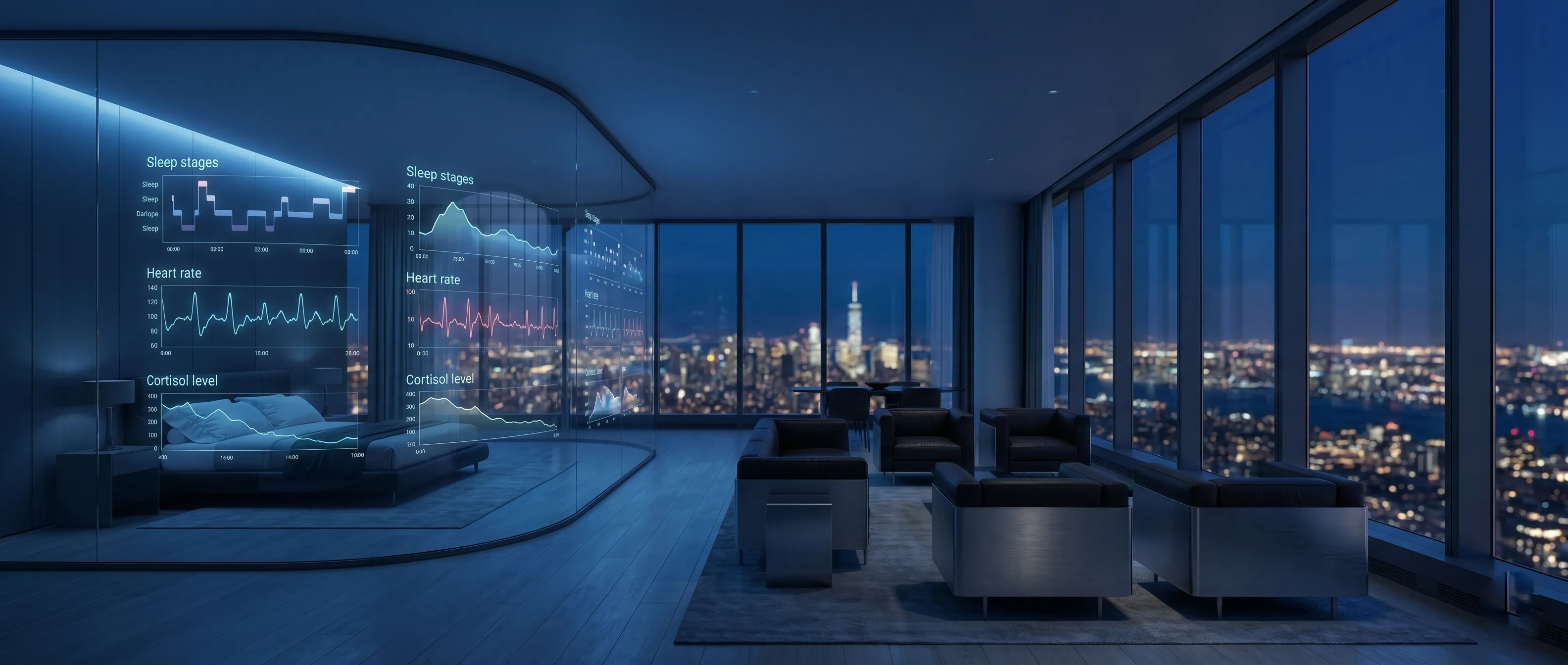
The evolution of luxury hospitality now emphasizes Hushpitality and Cognitive Wellness, driving demand for secluded environments that offer deep restoration. These destinations provide a systemic escape from urban density, fostering an environment conducive to mental and physical rejuvenation.
While London hotel rooms average $247 per night in 2026, and France leads Europe with an average luxury hotel price of $339 per night, the value proposition of remote luxury extends beyond a simple nightly rate, focusing on an integrated experience Source. Brands like Ritz-Carlton Reserve are strategically expanding into these frontiers, exemplified by properties such as Siari Riviera Nayarit.
Cultural Immersion vs. Urban Convenience
The discerning connoisseur now seeks authentic cultural immersion, moving beyond generic urban stays towards properties that tell a genuine story. This shift is recognized by initiatives like the Experientialist Awards, which celebrate hotels offering deep, localized engagement.
Unlike the standardized offerings of many city hotels, properties such as Belmond Palacio Nazarenas in Cusco, Peru, provide a direct interface with indigenous heritage and traditions Source. This approach prioritizes bespoke itineraries and community integration over mere logistical ease.
Spotlight: Nihi Sumba’s Impactful Experience
Nihi Sumba exemplifies this new frontier, offering an impactful experience rooted in its remote Indonesian island location. The resort’s operational model integrates Hyper-personalization with a commitment to local community development, providing guests with unique surf, equestrian, and cultural interactions Source.
This model transcends traditional luxury amenities, focusing instead on deep, memorable engagements. For those seeking the foremost in unconventional, beyond-limits luxury, the Lover's Deep Luxury Submarine offers a distinctive experience, priced at $292,000 per night in 2026, pushing the boundaries of private, immersive accommodation Source.
Decoding 2026’s Luxury Trends: Hushpitality and Hyper-personalization
The luxury hospitality sector in 2026 is undergoing a significant paradigm shift, moving beyond ostentatious displays to prioritize intrinsic value systems such as Cognitive Wellness and bespoke guest journeys. This evolution is driven by a discerning clientele seeking profound, rather than superficial, engagements.
The Rise of ‘Hushpitality’ for Cognitive Wellness
The concept of Hushpitality represents a strategic pivot towards environments designed for deep tranquility and mental restoration. This trend emphasizes privacy, understated service, and a deliberate reduction of sensory overload, allowing guests to achieve Cognitive Wellness Source 1.
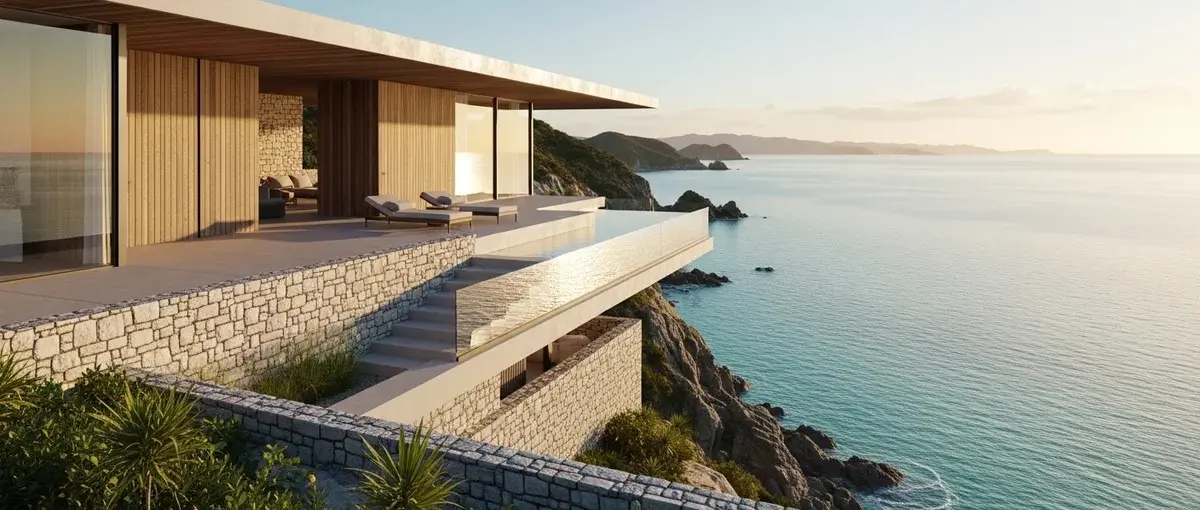
Properties embracing Hushpitality often feature secluded locations and architectural designs that integrate natural soundscapes, creating an atmosphere for deep relaxation. This contrasts sharply with the high-energy urban hotel experience, even as France leads Europe with an average luxury hotel price of $339 per night in 2026 for both types of establishments.
Hyper-personalization: Anticipating Every Desire
Hyper-personalization is no longer merely a service enhancement but a foundational operational imperative within luxury hospitality. This involves leveraging advanced data analytics and intuitive staff training to anticipate guest needs before they are articulated, creating a seamless and individual experience Source 2.
From pre-arrival preferences to on-site bespoke itineraries, every touchpoint is carefully managed. The Ritz-Carlton Reserve properties exemplify this, creating unique experiences for each visitor.
"The future of luxury hospitality hinges on the ability to create an invisible layer of service, where guest desires are met with proactive precision, fostering an unparalleled sense of belonging and ease."
This intricate level of service contributes significantly to the projected Guest spending across the U.S. hotel industry is projected to reach a record high of $777.25 billion in 2026, indicating a strong market for tailored experiences.
Experientialist Awards: Recognizing True Innovation
The Experientialist Awards have emerged as a critical benchmark for identifying luxury properties that deliver impactful guest experiences. These accolades prioritize hotels that integrate local culture, sustainable practices, and innovative programming over traditional metrics of opulence Source 3.
Recognition by the Experientialist Awards signifies a hotel’s commitment to authentic engagement and distinct experiences. Properties like Nihi Sumba or Belmond Palacio Nazarenas are often celebrated for their cultural immersion and unique offerings, distinguishing them in a competitive market.
Your Journey to Authentic Luxury: Final Verdict
The operationalization of authentic luxury in 2026 necessitates a strategic shift from generic amenity provision to bespoke experiential architecture. This paradigm prioritizes Cognitive Wellness and cultural integration over material opulence, aligning with Hushpitality principles [Source 1]. The discerning traveler seeks a verifiable narrative, not just a transactional stay.
Pros
- ✅ Enhanced Experiential Value: Authentic luxury properties, often recognized by
Experientialist Awards, deliver cultural immersion and fosterCognitive Wellnessthrough curated interactions. - ✅ Hyper-personalization Protocol: Advanced guest profiling enables
Hyper-personalization, anticipating needs with precision, as exemplified by properties likeRitz-Carlton ReserveorBelmond Palacio Nazarenas. - ✅ Unique Asset Integration: These establishments often integrate unique local assets, providing access to indigenous experiences, such as those found at
Nihi Sumba.
Cons
- ❌ Elevated Investment Threshold: The specialized nature of authentic luxury commands a premium. For instance,
France leads Europe with an average luxury hotel price of $339 per night in 2026, and extreme options likeLover's Deep Luxury Submarineare priced at$292,000 per night[Source 2]. - ❌ Geographic Specificity: Cultural immersion frequently necessitates travel to remote or less accessible regions, potentially impacting logistical parameters.
- ❌ Market Misinterpretation Risk: The term "luxury" is broadly applied, requiring careful vetting to distinguish genuine experiential design from superficial branding, despite
guest spending across the U.S. hotel industry projected to reach a record high of $777.25 billion in 2026[Source 3].
Modular Final Verdict
- If the primary objective is cultural integration and
Cognitive Wellness, then prioritize properties emphasizingHushpitalityand local engagement, often found outside conventional urban hubs. - If the operational parameter is status and conventional opulence within established networks, then urban centers with high
ADRlike London (averaging$247 per night in 2026) may suffice [Source 4]. - If the budget allocation is unrestricted and the desire is for exclusivity and a singular narrative, then extreme niche offerings, such as the
Orient Express Veniceor bespoke submarine experiences, represent the apex of specialized luxury.
Frequently Asked Questions
01 What defines a truly luxurious hotel experience in 2026?
In 2026, true luxury transcends material opulence, focusing on emotional richness, personal transformation, and authentic cultural immersion. It's defined by intuitive, hyper-personalized service that anticipates needs, thoughtful design, privacy, and unique, immersive experiences that create lasting memories.
02 How can I find luxury hotels that offer genuine cultural immersion?
Seek out hotels that actively promote local culture through community engagement, artisan experiences, and culinary discovery. Look for properties that emphasize a strong 'sense of place' and offer bespoke itineraries that connect guests with local traditions and stories, rather than just amenities.
03 What is 'Hushpitality' and why is it a 2026 luxury travel trend?
'Hushpitality' is a 2026 trend reflecting a desire for quiet luxury, privacy, calm, and restoration. Travelers are gravitating towards intimate resorts, hidden villas, and low-key destinations that allow them to disconnect from constant noise and truly unwind, where service is intuitive and privacy is protected.
04 Are luxury hotel rates increasing in 2026?
Yes, global hotel rates are expected to see moderate growth in 2026. For example, the average daily rate (ADR) for U.S. hotels reached $162.16, and luxury segments continue to outpace other categories in rate increases, driven by leisure demand.
05 What are some anticipated new luxury hotel openings for 2026?
Several highly anticipated luxury hotels are opening in 2026, including Siari Riviera Nayarit (Ritz-Carlton Reserve in Mexico), The Cooper (Charleston, South Carolina), Orient Express Venice, Capella Kyoto, and Bulgari Resort Ranfushi (Maldives).
06 How do luxury hotels provide hyper-personalized service?
Luxury hotels achieve hyper-personalization by meticulously noting guest preferences, from preferred room temperature and dietary needs to favorite drinks and activities. They use sophisticated systems to track and anticipate needs, offering tailored experiences, interactive stay planning tools, and 'money can't buy' VIP moments.

David Al-Fayed
Culture Code Cracker
Bridging regional gaps with hard hitting local cultural intelligence.