
Stress-Free Family Travel 2026: The Lore-Chaser’s Guide to Supermarket Safaris and Skill-Building
Family travel in 2026 has transitioned from passive sightseeing to “Lore-Chasing” expeditions, where 76% of parents now prioritize skill-building over traditional souvenirs. By leveraging the “Shelf Discovery” trend—using local supermarkets as cultural hubs—and employing technical safety redundancies, families can navigate global hubs with clinical efficiency. This guide provides the mechanical framework to transform high-stress logistics into a collaborative “Micro-Mastery” journey for all generations.
🚀 Key Takeaways
- The 76% Value Shift: Modern parents prioritize “Sight-Doing,” valuing hands-on workshops (e.g., tortilla-making or fragrance blending) as more memorable than material goods.
- Supermarket Safaris: 35% of global travelers now utilize local grocery stores as primary cultural entry points, turning routine shopping into a low-pressure “Shelf Discovery” hunt.
- The 8kg Commandment: Strict 2026 airline enforcement of 8kg carry-on weight limits necessitates a “Technical Capsule” packing strategy to avoid check-in friction.
Our 2026 Family Index integrates real-time data from the American Express 2026 Global Travel Trends Report and Skyscanner’s 2026 Travel Trends. We analyzed workshop pricing from Rustic Pathways and verified current 7-8kg baggage mandates from major global carriers to ensure logistical accuracy.
The Supermarket Safari and Shelf Discovery Trend
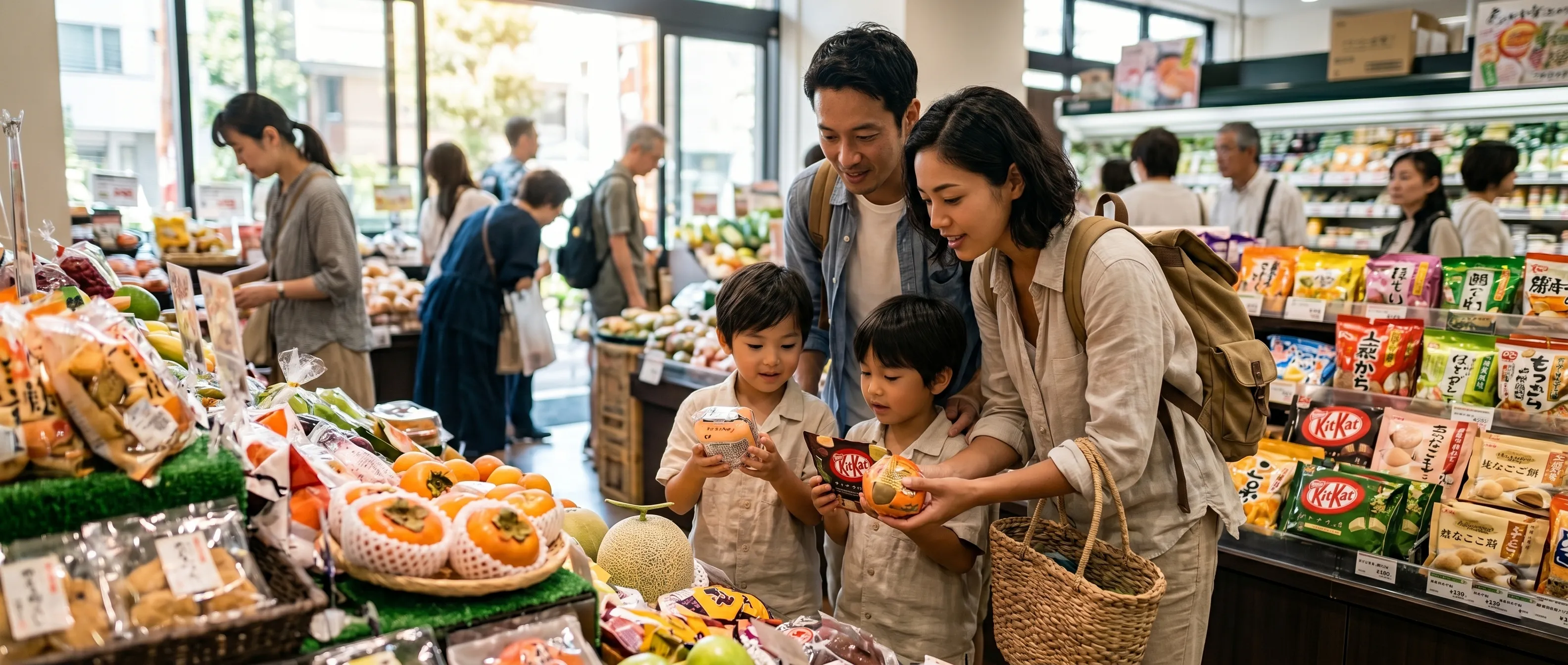
In Q2 2026, the local grocery store has replaced the museum as the primary site of cultural deep-dives, with 36% of Indian travelers explicitly planning “Supermarket Safaris.” This trend, known as Shelf Discovery, allows families to bypass expensive, curated tourist experiences in favor of authentic local life. For a Lore-Chasing parent, the snack aisle in Tokyo or the spice section in Mexico City offers a literal taste of the destination’s “lore” at a fraction of the cost of a private tour.
Implementing the Inventory Incentive
To maximize engagement, parents should implement “The Inventory Incentive.” By providing children with a small, dedicated budget to source one net-new local ingredient or snack per day, you transform a chore into a high-stakes scavenger hunt. This “Shelf Discovery” exercise forces children to decode foreign packaging and engage with local shopkeepers, building social confidence while uncovering the destination’s culinary chemistry.
Bypassing Restaurant Fatigue
Supermarket Safaris also serve as a critical stress-reduction tool. Instead of navigating formal dining with tired children, families can source high-quality, local “shelf” items for a low-pressure picnic. This strategy provides a window into local life—from Iceland’s geothermal bread to Japan’s high-tech vending snacks—while maintaining the flexibility needed for a successful 2026 family itinerary.
Skill-Building through Family Micro-Mastery
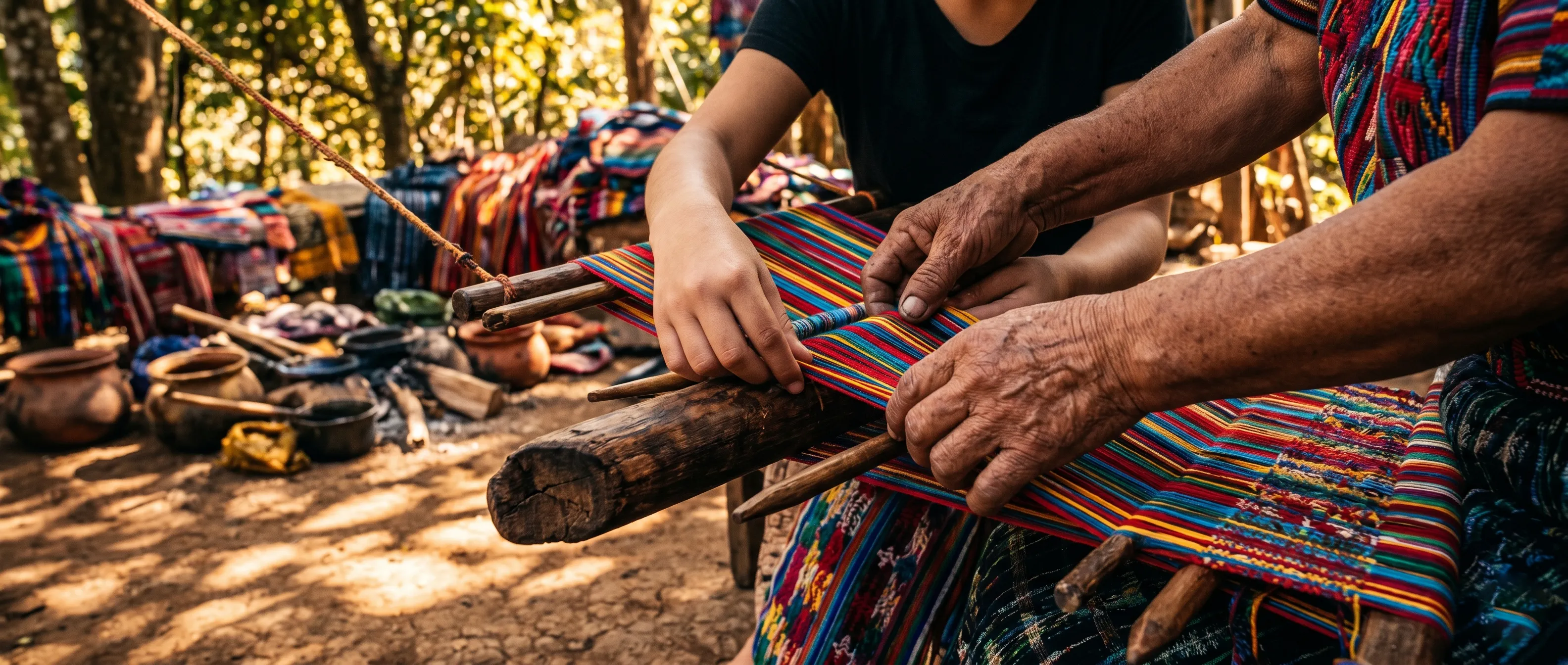
The 2026 family traveler is a “Skill-Seeker,” driven by the fact that 82% of parents believe new skills make trips more memorable than sights alone. This shift has fueled a surge in “Micro-Mastery” workshops where children and parents apprentice together. Whether it’s a $1,995 service-learning program in the Dominican Republic or a traditional craft session in Kyoto, the focus is on “Sight-Doing”—the act of creating something tangible with one’s hands.
Regional Workshop Arbitrage
Choosing the right hub for skill acquisition requires a technical comparison of cost-to-lore potential. While domestic USA workshops offer ease of access, international hubs like the Dominican Republic or Peru provide deeper cultural immersion at competitive price points. Parents are increasingly seeking “Service + Adventure” hybrids, where kids can contribute to turtle conservation or public health while gaining global perspective.
| Hub Location | Daily Rate (Avg) | Lore Potential | Age Floor | Primary Skill |
|---|---|---|---|---|
| Dominican Republic | $249.00 | High | 14+ | Public Health / Service |
| Costa Rica | $312.00 | Extreme | 12+ | Conservation / Ecology |
| Kyoto, Japan | $437.00 | Extreme | 12+ | Traditional Crafts |
| Mexico City | $185.00 | High | 6+ | Culinary Arts |
| Thailand | $304.00 | Extreme | 15+ | Expedition / Service |
Logistics of the 2026 Digital Leash
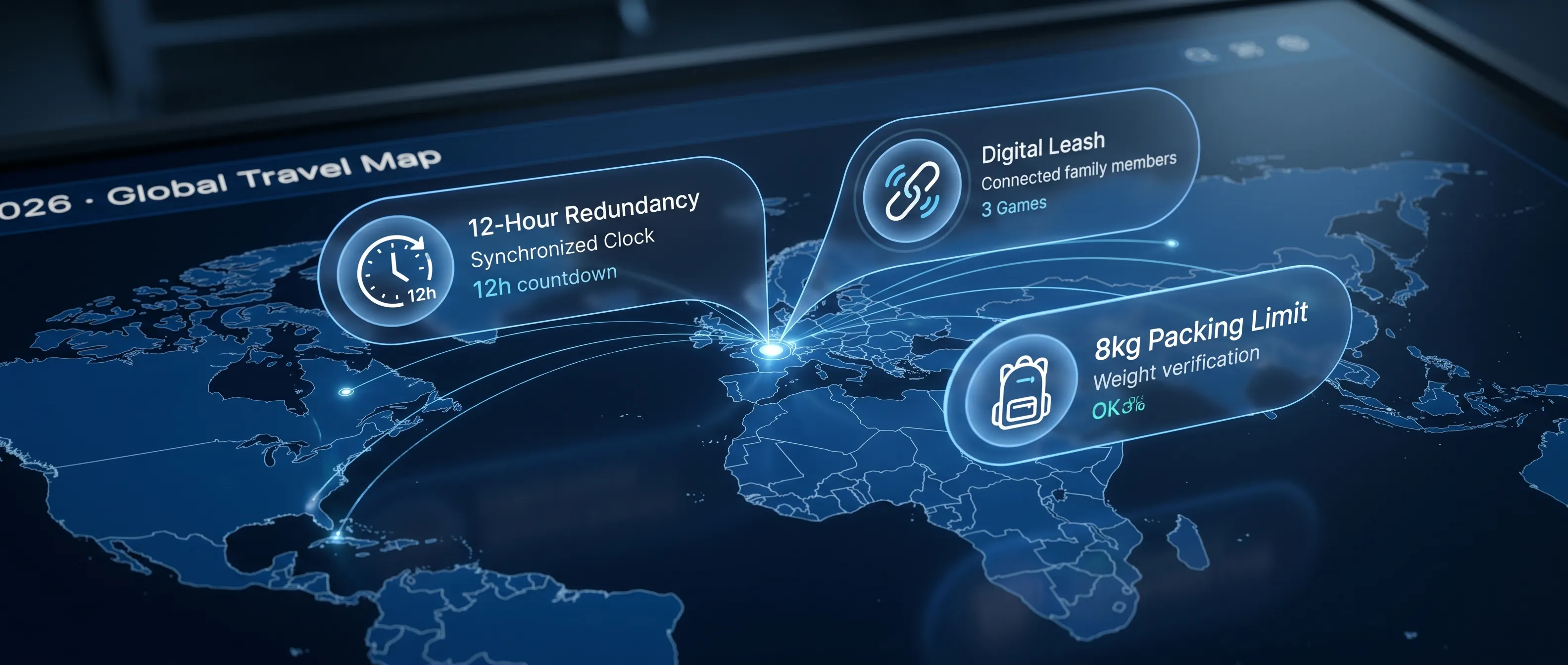
Managing family safety in 2026 necessitates a “Digital Leash” protocol, anchored by a strict 12-hour redundancy check-in and eSIM connectivity. By registering all family members in the STEP Enrollment Portal and using dedicated safety apps, parents can provide children with age-appropriate independence while maintaining a technical safety net. This redundancy ensures that everyone is locatable during regional emergencies or simple crowds.
The 8kg Carry-On Commandment
A significant friction point in 2026 is the rigid enforcement of 7-8kg carry-on weight limits by major global airlines like Air India, Lufthansa, and Emirates. For a stress-free trip, families must adopt a “Technical Capsule” packing approach, prioritizing lightweight, multi-functional fabrics. Weighing bags at home is no longer optional; it is a clinical necessity to avoid expensive gate fees and the logistical chaos of repacking mid-transit.
Mastering the Check-In Interval
Establishing a 12-hour check-in interval for older children or multi-generational groups prevents “communication blackouts.” This protocol, combined with a persistent eSIM data connection, allows the Lore-Chasing family to explore disparate parts of a city with the confidence that a “Digital Leash” is always active.
The Modular Final Verdict
Your 2026 family itinerary should be selected based on the “Skill-to-Stress” ratio, prioritizing destinations that offer high educational ROI with established safety infrastructure. If you have teenagers seeking transformative service-learning, then the Dominican Republic or Costa Rica are the primary targets. If you are traveling with younger children and prioritize culinary lore, then Mexico City or Tokyo provide the best entry points.
- If you want maximum service-learning lore: Then choose Costa Rica or the Dominican Republic.
- If you want the best “Shelf Discovery” potential: Then choose Japan or Mexico.
- If you prioritize alpine serenity and wellness: Then choose the Dolomites or the Rockies.
Pros
- ✅ High memory retention through skill-building
- ✅ Lower stress through Supermarket Safaris
- ✅ Robust safety through digital leashes
Cons
- ❌ Rigid 7-8kg baggage constraints
- ❌ $1,995+ baseline for premium workshops
- ❌ Potential for 'app fatigue' in multi-gen groups
"The destination is the means to an end. In 2026, the best family memories aren't bought in a gift shop; they are built in a grocery aisle and forged in a workshop."
Frequently Asked Questions: Family Travel Tips
Frequently Asked Questions
01 What are supermarket safaris for families in 2026?
A Supermarket Safari is the act of using local grocery stores as cultural discovery hubs. Families hunt for regional snacks and ingredients, turning routine shopping into a high-engagement cultural scavenger hunt.
02 Best educational travel workshops for kids in 2026?
Top programs include sea turtle conservation in Costa Rica, public health service in the Dominican Republic, and traditional culinary arts in Mexico. These focus on 'Micro-Mastery' and hands-on skill acquisition.
03 How to travel stress-free with kids in 2026?
Prioritize 'Shelf Discovery' for flexible dining and implement a 12-hour safety redundancy. Adhering strictly to 8kg carry-on limits prevents airport friction, while eSIM 'Digital Leashes' maintain constant family connectivity.
04 Why is skill-building better than souvenirs for kids?
76% of parents believe skills learned on-trip remain with children longer than material goods. Active 'Sight-Doing' creates deeper neurological memory anchors and builds social confidence through authentic local interaction.
05 What is the 8kg carry-on weight limit in 2026?
Most global airlines, including Lufthansa and Air India, now strictly enforce a 7-8kg (approx. 17 lbs) limit for economy cabin bags. This mandate requires families to use technical, lightweight gear to avoid fees.
06 How does the 12-hour redundancy safety protocol work?
Families establish a fixed 12-hour interval where all members check in via a shared safety app or thread. This technical tether ensures constant situational awareness without micromanaging the independence of older children.

David Al-Fayed
Culture Code Cracker
Bridging regional gaps with hard hitting local cultural intelligence.