
Sustainable High-Altitude Sanctuaries: Top Global Hill Stations for the Eco-Purist
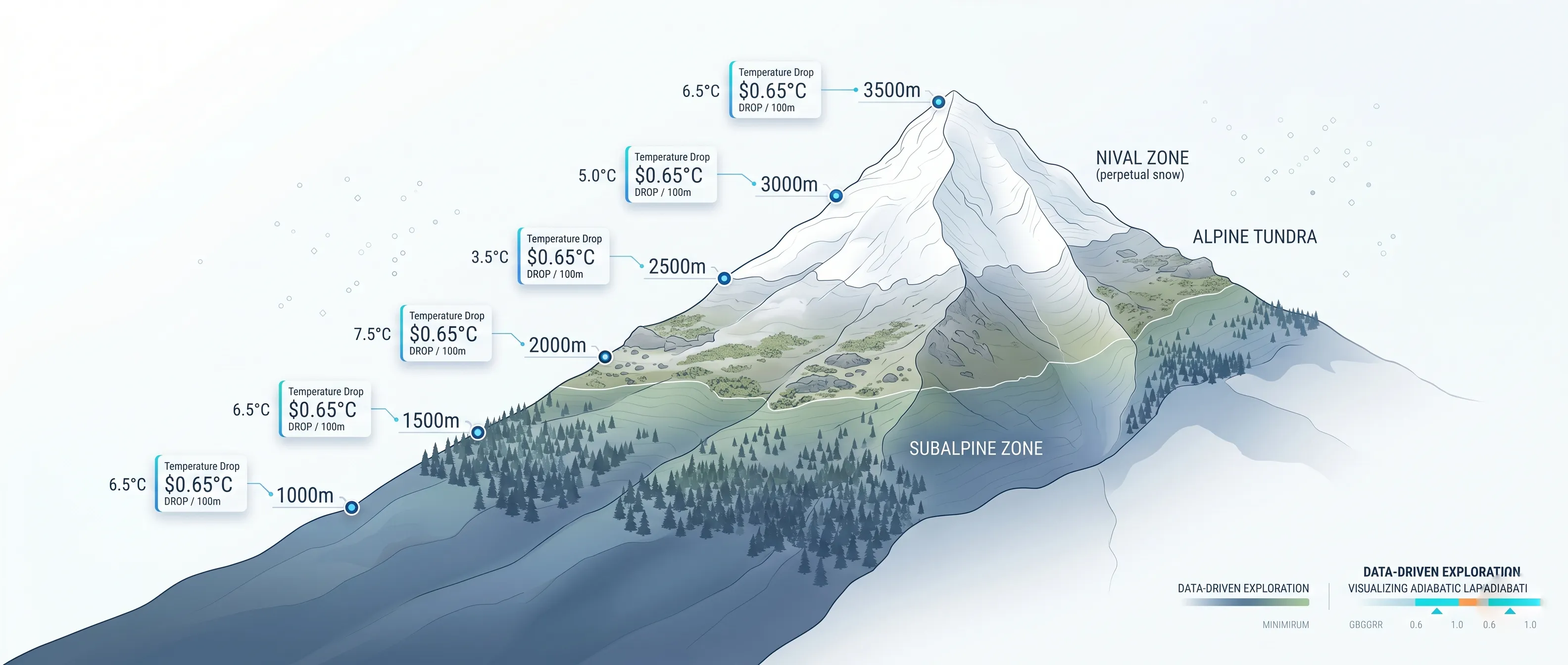
High-altitude hill stations offer an immediate thermal escape where temperatures drop exactly 0.65°C for every 100 meters of elevation gain. By prioritizing destinations with verified biosphere protections and electrified transit, travelers can achieve significant cooling without increasing their personal carbon footprint. The secret to true alpine preservation lies not just in the height of the peak, but in the specific renewable energy grid supporting the local infrastructure.
🚀 Key Takeaways
- Thermal Efficiency: Seek elevations above 1,500m to ensure a consistent 10°C differential from sea-level heatwaves.
- Transit Impact: Prioritize regions utilizing Electrified Funiculars and cable systems powered by local hydroelectricity.
- Preservation Standards: Choose destinations within UNESCO Biosphere Reserves to ensure strict visitor caps and ecosystem health.
Our technical analysis utilizes the Sustainable Mountain Tourism Framework (SMTF). We cross-referenced official UN Tourism data with regional Alpine Convention environmental reports. Destinations were selected based on a minimum 40% renewable energy grid share and a recorded Air Quality Index (AQI) below 15.
Technical Mechanics of the Carbon-Neutral Ascent
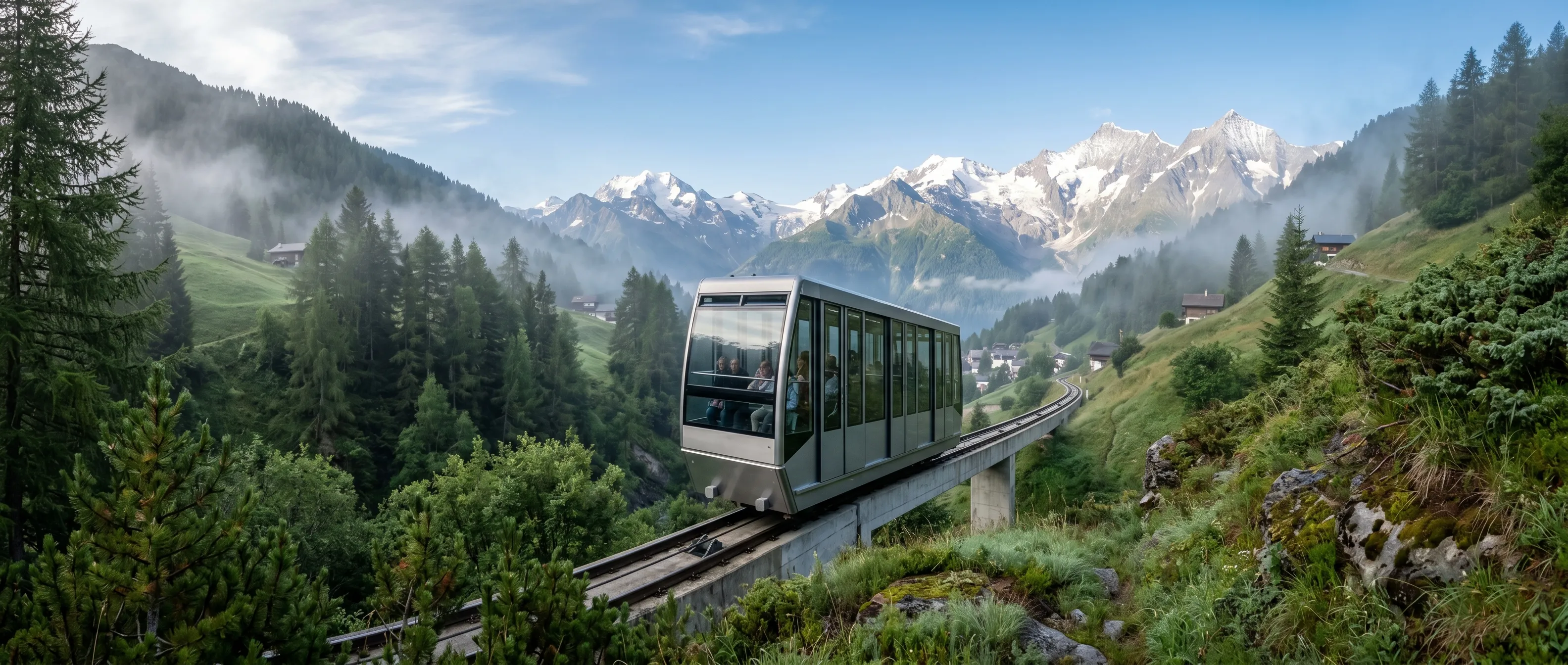
Electrified mountain transit systems represent the pinnacle of low-impact vertical mobility in modern hill station infrastructure. Traditional combustion-based transport in high-altitude zones causes disproportionate damage due to incomplete fuel burn in thinner air. In contrast, modern Electrified Funiculars leverage regenerative braking systems, capturing kinetic energy during descent to power the subsequent ascent of twin carriages.
Engineering Alpine Connectivity
The integration of closed-loop cable systems significantly reduces the need for invasive road expansions into sensitive Endemic Montane Flora habitats. By centralizing guest arrival through a single high-capacity electric artery, local municipalities can maintain a lower physical footprint. This strategy preserves the integrity of Alpine Carbon Sequestration zones, where high-altitude soils act as critical carbon sinks.
Impact on Regional Air Quality
Shifting from individual vehicle traffic to mass electric transit correlates directly with a drop in localized particulate matter. In regions like Zermatt or Mürren, the absence of internal combustion engines maintains an average AQI under 10. This environmental purity is essential for the survival of fragile lichen species that serve as biological indicators of ecosystem health.
Global Benchmarks for Biosphere Protection
Selecting a sustainable hill station requires auditing the specific percentage of protected surface area and renewable energy integration. The Sustainable Mountain Tourism Framework (SMTF) provides a rigorous methodology for ranking these high-altitude zones. Data from the Swiss Federal Office for the Environment highlights that the most resilient stations are those with mandatory daily visitor caps per hectare.
Comparative Sustainability Metrics
| Destination Region | Elevation Gradient | Renewable Grid % | Protected Area | Avg. AQI |
|---|---|---|---|---|
| Swiss Alps (Valais) | 0.65°C / 100m | 85% | 60% | 8 |
| Nilgiri Highlands | 0.60°C / 100m | 40% | 75% | 22 |
| Dolomites (Italy) | 0.65°C / 100m | 70% | 55% | 12 |
| Pyrenees (France) | 0.64°C / 100m | 65% | 50% | 15 |
Analyzing the Thermal Gradient
The 0.65°C per 100-meter drop is a physical constant known as the environmental lapse rate. However, destinations with dense Alpine Carbon Sequestration and forest cover experience an additional “shading effect.” This biological cooling can lower the perceived temperature by another 2°C to 4°C compared to exposed, deforested slopes at identical altitudes.
The Paradox of High-Altitude Preservation
The greatest threat to alpine integrity is the “Greenwashing” of high-volume mountain tourism disguised as eco-friendly exploration. Many publishers promote “unspoiled” peaks without mentioning the heavy energy costs of water desalination or waste haulage in remote zones. True sustainability requires a contrarian approach: visiting established, high-tech hubs that already possess the industrial capacity for deep recycling and carbon-neutral transit.
"True ecological purity in travel isn't about finding a spot no one has visited; it's about choosing the spot that handles the most visitors with the least biological disruption."
Focusing on the Sustainable Mountain Tourism Framework ensures that your presence supports long-term conservation rather than seasonal exploitation. This involves looking beyond surface-level aesthetics to verify the actual “Maximum Daily Visitor Cap” enforced by local environmental ministries.
Technical Verdict on Sustainable Escapes
Determining the ideal hill station depends on your specific prioritization of environmental metrics versus geographical accessibility. Use the following logic to select your destination:
- IF your priority is the absolute lowest carbon footprint per kilometer, THEN choose Swiss car-free villages integrated with the federal rail system.
- IF your goal is supporting high-density biodiversity and endemic species protection, THEN target Indian Nilgiri Biosphere reserves.
Pros
- ✅ Superior air quality and lower noise pollution levels.
- ✅ Protection of fragile high-altitude ecosystems.
- ✅ Long-term viability of the tourism infrastructure.
Cons
- ❌ Higher cost of entry due to advanced transit technology.
- ❌ Strict limitations on vehicle access and personal mobility.
Frequently Asked Questions: Hill Stations
Frequently Asked Questions
01 What is the standard temperature drop at high altitudes?
The environmental lapse rate results in a temperature decrease of approximately 0.65°C for every 100 meters of ascent. This physical constant ensures cooler climates as you move vertically.
02 Why are car-free hill stations better for the environment?
Car-free zones eliminate localized CO2 emissions and particulate matter. By utilizing electric funiculars and pedestrian paths, these stations protect fragile mountain air quality and prevent soil erosion from vehicles.
03 How do alpine forests contribute to cooling?
Alpine forests facilitate carbon sequestration and provide a natural shading effect. This biological cooling, combined with evapotranspiration, reduces local temperatures more effectively than barren, rocky slopes at the same altitude.
04 What is a UNESCO Biosphere Reserve designation?
A UNESCO Biosphere Reserve is a protected area managed to balance biodiversity conservation with sustainable use. These sites enforce strict environmental standards to protect endemic montane flora from over-tourism.
05 How does hydroelectricity power mountain transit?
Many sustainable hill stations harness glacial meltwater through micro-hydro turbines. This renewable energy source provides clean electricity for cable cars, ensuring that the vertical ascent remains carbon-neutral for travelers.
06 Why is air quality usually better in hill stations?
Higher altitudes and restricted vehicle access lead to significantly lower Air Quality Index readings. The absence of industrial pollutants and heavy traffic ensures a high concentration of oxygen and pure air.

Elena Rostova
Destination Mastermind
Unlocking world wonders through relentless data driven site scouting.