
Honeymoon Planning Guide: Eco-Luxe Escapes 2026
Crafting Your Eco-Luxe Honeymoon: Beyond the Greenwash
The contemporary eco-luxe honeymoon transcends superficial sustainability claims. It focuses instead on verifiable environmental stewardship and authentic local immersion. This strategic shift addresses the demand from 93% of global travelers in 2025 for more sustainable choices. It moves beyond traditional resort models to integrate impactful, multi-stop adventures.
The paradigm of honeymoon travel is undergoing a significant transformation. In 2026, the conventional single-destination beach escape is evolving into “contrasting honeymoons.” Nearly 40% of couples integrate diverse experiences such as cultural exploration and adventure with periods of relaxation [Source: TodaysBride.ca]. This trend prioritizes eco-conscious transport and deep local immersion over typical resort stays, reflecting a broader commitment to responsible tourism.
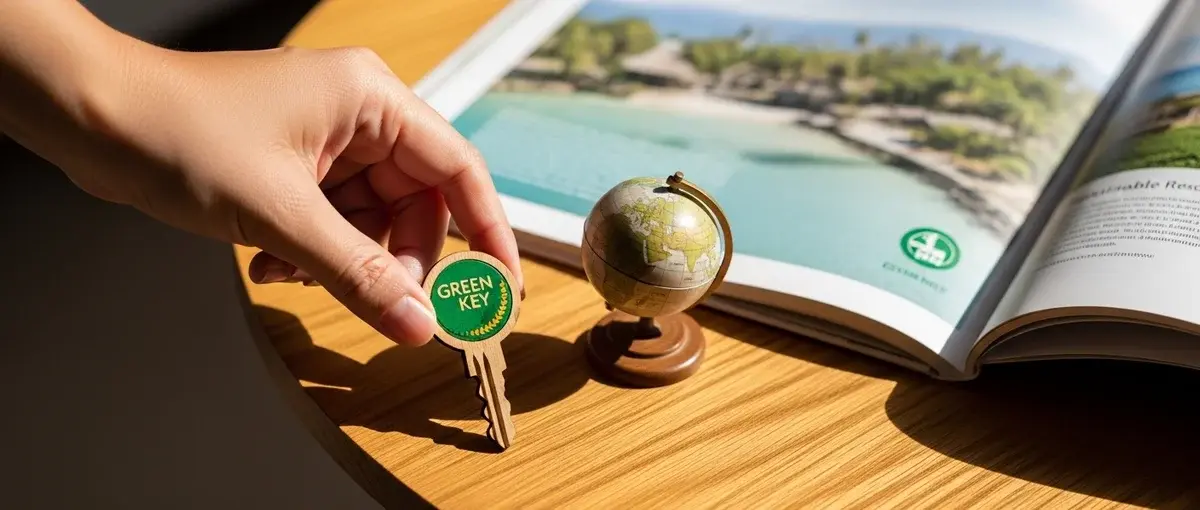
Identifying genuinely eco-luxury resorts requires a discerning approach to avoid greenwashing. Verifiable certifications, such as Green Key Certification or adherence to frameworks like the Palau Pledge, serve as critical indicators of authentic sustainable practices [Source: CaribJournal.com]. These benchmarks ensure that environmental claims are substantiated by operational protocols.
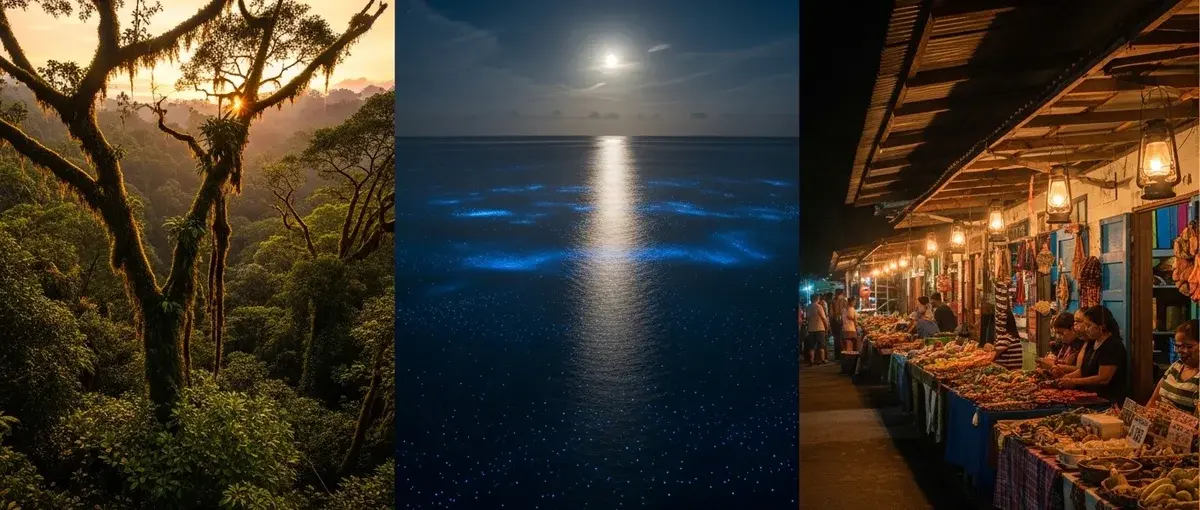
Couples are increasingly seeking destinations that offer both opulent experiences and demonstrable ecological integrity. Locations like Costa Rica's Osa Peninsula exemplify this fusion. This region alone harbors 2.5% of the world’s biodiversity, providing opportunities for engagement with bioluminescent plankton and farm-to-table dining within protected ecosystems [Source: EluxeMagazine.com]. While the average honeymoon costs between $5,300 and $6,500 in 2026, with accommodations consuming 35-50% of the budget, investing in verified eco-luxe options ensures a meaningful impact.
Key Takeaways
- Eco-luxe honeymoons prioritize verifiable sustainability and local immersion over superficial green claims.
- The 2026 trend favors “contrasting honeymoons” and
multi-stop adventuresfor diverse experiences. - Authenticity is confirmed through third-party certifications and engagement with destinations committed to conservation.
Our assessment of eco-luxe honeymoon trends and destinations is predicated on data from reputable travel industry analyses, environmental certification bodies, and verified journalistic sources. We prioritize information detailing quantifiable sustainability metrics, recognized third-party accreditations, and documented shifts in traveler behavior for 2025-2026. This methodology ensures a robust, evidence-based perspective on genuine eco-conscious travel.
The Evolving Honeymoon Landscape: Trends for 2026
The contemporary honeymoon is undergoing a significant transformation. It moves beyond singular, static resort experiences towards dynamic, varied itineraries. This evolution reflects a shift in traveler priorities, emphasizing experiential value and ecological responsibility.
The Rise of Contrasting Honeymoons
The traditional single-destination beach honeymoon is being supplanted by “contrasting honeymoons” in 2026. This growing trend sees nearly 40% of couples integrating diverse experiences, such as cultural exploration and adventure, with periods of relaxation. These multi-stop adventures provide a more varied post-nuptial experience, as detailed by recent analyses of 2026 honeymoon trends.
This approach allows for broad engagement with multiple environments, optimizing the experiential return on investment. Couples increasingly seek itineraries that blend distinct geographical and cultural contexts within a single journey, as covered in this multi-stop adventures report.
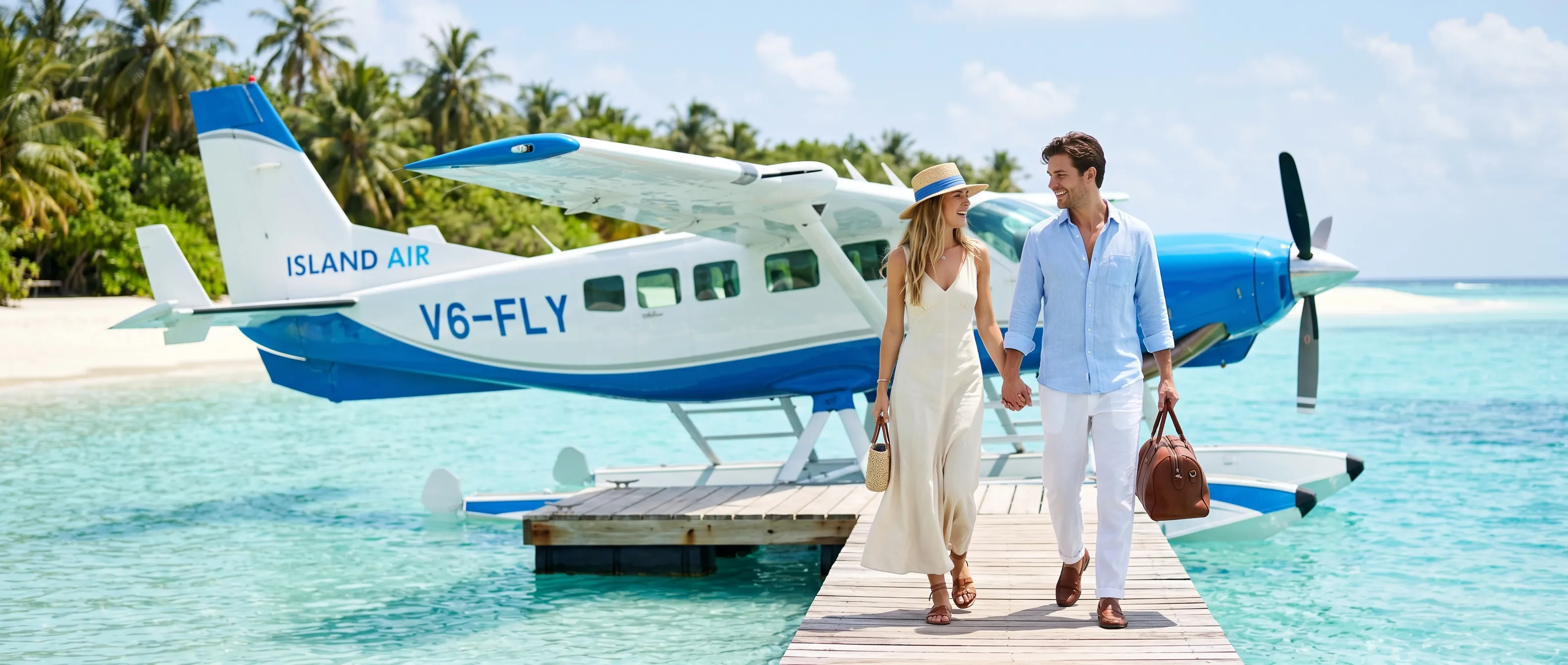
Prioritizing Eco-Conscious Transport
A key component of this evolving landscape is the increased emphasis on sustainable transit methodologies. With 93% of global travelers in 2025 desiring more sustainable travel choices, transportation selection directly impacts a honeymoon’s ecological footprint.
This includes strategies like carbon footprint offsetting for flights and prioritizing ground transport where feasible.
The integration of eco-conscious transport aligns with the main objective of minimizing environmental impact. This operational shift supports responsible tourism, moving beyond compliance to ecological stewardship.
Local Immersion vs. Resort Stays
The preference for deep local immersion is increasing over standard, isolated Eco-luxury resorts. While high-end accommodations remain desirable, there is an increasing inclination towards properties that actively engage with and benefit local communities.
This includes supporting farm-to-table dining initiatives and local enterprises.
This shift fosters cultural exchange and ensures that tourism revenue circulates within the host economy. The average honeymoon costs between $5,300 and $6,500 in 2026, with accommodations typically accounting for 35-50% of this budget.
Conscious choices in this area are impactful.
| Variable | Baseline Measurement (Traditional Honeymoon) | Technical Implication (2026 Trend) |
|---|---|---|
| Destination Type | Single Beach Resort | Multi-Stop Adventure (e.g., cultural + nature + relaxation) |
| Primary Focus | Pure Relaxation | Experiential Diversity (e.g., adventure, culture, relaxation) |
| Transport Modality | Exclusive Air Travel | Diversified, Eco-conscious (e.g., trains, direct flights, offsets) |
| Local Engagement | Limited, Resort-centric | Deep, Community-integrated (e.g., local guides, farm-to-table) |
| Sustainability Metric | Incidental | Intentional, Verified (e.g., Green Key Certification awareness) |
Identifying Authentic Eco-Luxury: Certifications and Red Flags
The discernment of genuine eco-luxury from superficial environmental claims is a critical operational parameter for conscious travelers. This section delineates the mechanisms for verifying sustainable practices within the hospitality sector.
Decoding Greenwashing: What to Look For
While 93% of global travelers in 2025 expressed a desire to make more sustainable travel choices, the proliferation of “greenwashing” necessitates a rigorous evaluation protocol. Many Eco-luxury resorts may employ environmental rhetoric without substantive, verifiable action.
Consumers must look beyond aesthetic cues and demand transparent data regarding resource management and community engagement. This analytical approach ensures that investment aligns with ecological stewardship, as detailed by sources like eLuxe Magazine.
Key Certifications: LEED, Green Key, GSTC
Eco-luxury properties often possess third-party certifications, serving as external validation of their sustainability frameworks. Recognized standards include LEED (Leadership in Energy and Environmental Design), Green Seal, EarthCheck, and the Global Sustainable Tourism Council (GSTC).
The Green Key Certification, for instance, signifies adherence to stringent criteria across environmental management, water conservation, and waste reduction. Investing a significant portion of the 35-50% of the total honeymoon budget typically allocated to accommodations into a certified property ensures a verifiable commitment to sustainability, as highlighted by Caribbean Journal’s reporting on resort certifications.
Impactful Experiences: Beyond the Surface
Beyond certifications, eco-luxury integrates local economic and ecological support into the guest experience. Destinations like Costa Rica’s Osa Peninsula, which alone holds 2.5% of the world's biodiversity, exemplify this integration through conservation initiatives and community-based tourism.
Engaging in Farm-to-table dining directly supports local agriculture, while initiatives like the Palau Pledge demonstrate national commitments to environmental preservation. Couples can further mitigate their environmental impact through Carbon footprint offsetting and by selecting Multi-stop adventures that prioritize sustainable transport and local immersion, a trend noted by Today’s Bride.
Top Destinations for Sustainable Romance: Osa Peninsula & Beyond
Selecting a honeymoon destination now integrates ecological integrity with luxury. This shift prioritizes locations offering authentic immersion and positive contributions to local ecosystems and communities.
Costa Rica’s Osa Peninsula: A Biodiversity Hotspot
Costa Rica’s Osa Peninsula is a premier eco-luxury destination and a critical biological corridor. This region holds 2.5% of the world’s biodiversity. Eco-luxury resorts here implement carbon footprint offsetting programs, ensuring minimal environmental impact while providing high-end amenities, as highlighted by eLuxe Magazine.
These establishments feature farm-to-table dining and integrate local conservation efforts into their operations.
Other Emerging Eco-Luxe Havens
Beyond the Osa Peninsula, other regions lead in sustainable tourism. Destinations like Puerto Rico have resorts achieving Green Key Certification, signifying adherence to environmental performance standards, according to Caribbean Journal. The Palau Pledge requires visitors to sign an environmental promise upon entry.
Such locations provide unique experiences, from observing bioluminescent plankton to engaging in multi-stop adventures that minimize ecological disruption.
Supporting Local Economies and Conservation
Choosing these destinations supports local economies and conservation initiatives. This aligns with 93% of global travelers in 2025 desiring more sustainable travel choices. Accommodations account for 35-50% of the total honeymoon budget, making conscious spending impactful.
"The true measure of sustainable tourism lies not just in environmental protection, but in the equitable distribution of economic benefits to local populations and the preservation of cultural heritage."
Engaging with local guides and businesses ensures that average honeymoon costs between $5,300 and $6,500 in 2026 are channeled back into the community, as noted in Today’s Bride’s 2026 trends. This fosters a symbiotic relationship between tourism and local prosperity.
Your Sustainable Honeymoon Journey: A Final Verdict
Integrating sustainable practices into honeymoon planning represents a systemic shift in travel paradigms. This moves beyond superficial gestures to genuine ecological and social impact. This approach aligns with the 93% of global travelers in 2025 desiring more sustainable choices. The average honeymoon costs between $5,300 and $6,500 in 2026.
Pros and Cons of Sustainable Honeymoons
Pros
- ✅ Enhanced Experiential Depth: Direct engagement with local cultures and ecosystems offers unique memories. Costa Rica's Osa Peninsula holds 2.5% of the world's biodiversity.
- ✅ Reduced Environmental Impact: Prioritizing
Carbon footprint offsettingandGreen Key Certificationaccommodations minimizes ecological strain. - ✅ Community Support: Direct investment in local economies through
Farm-to-table diningand local services fosters equitable development. - ✅ Ethical Alignment: Fulfills personal values for
Eco-luxury resortsand responsible tourism. This is highlighted by initiatives like thePalau Pledge, as covered by eLuxe Magazine.
Cons
- ❌ Potentially Higher Costs:
Eco-luxury resortsand specializedMulti-stop adventurescan elevate theaccommodationsportion. This typically accounts for 35-50% of the total honeymoon budget. - ❌ Logistical Complexity: Coordinating
eco-conscious transportand verifying genuine sustainability requires diligent research. This is noted in 2026 honeymoon trends. - ❌ Limited Availability: Truly sustainable options, particularly those with robust certifications, may be less prevalent than conventional resorts, based on Caribbean Journal reporting.
Modular Final Verdict
- If your primary objective is an immersive, ethically aligned experience, prioritize destinations known for robust conservation efforts and community integration, such as the Osa Peninsula.
- If budget constraints are a significant factor, focus on optimizing
accommodationsand transportation choices. Consider shorter trips or fewermulti-stop adventures. - If verifying genuine sustainability is critical, exclusively select resorts with recognized third-party certifications like
Green Key Certificationor LEED. - If maximizing unique experiences is paramount, consider
contrasting honeymoonsthat blend adventure with relaxation. Ensure each segment adheres to yourcarbon footprint offsettinggoals, as explored in this multi-stop adventures guide.
Frequently Asked Questions
01 How much should we budget for an eco-luxe honeymoon in 2026?
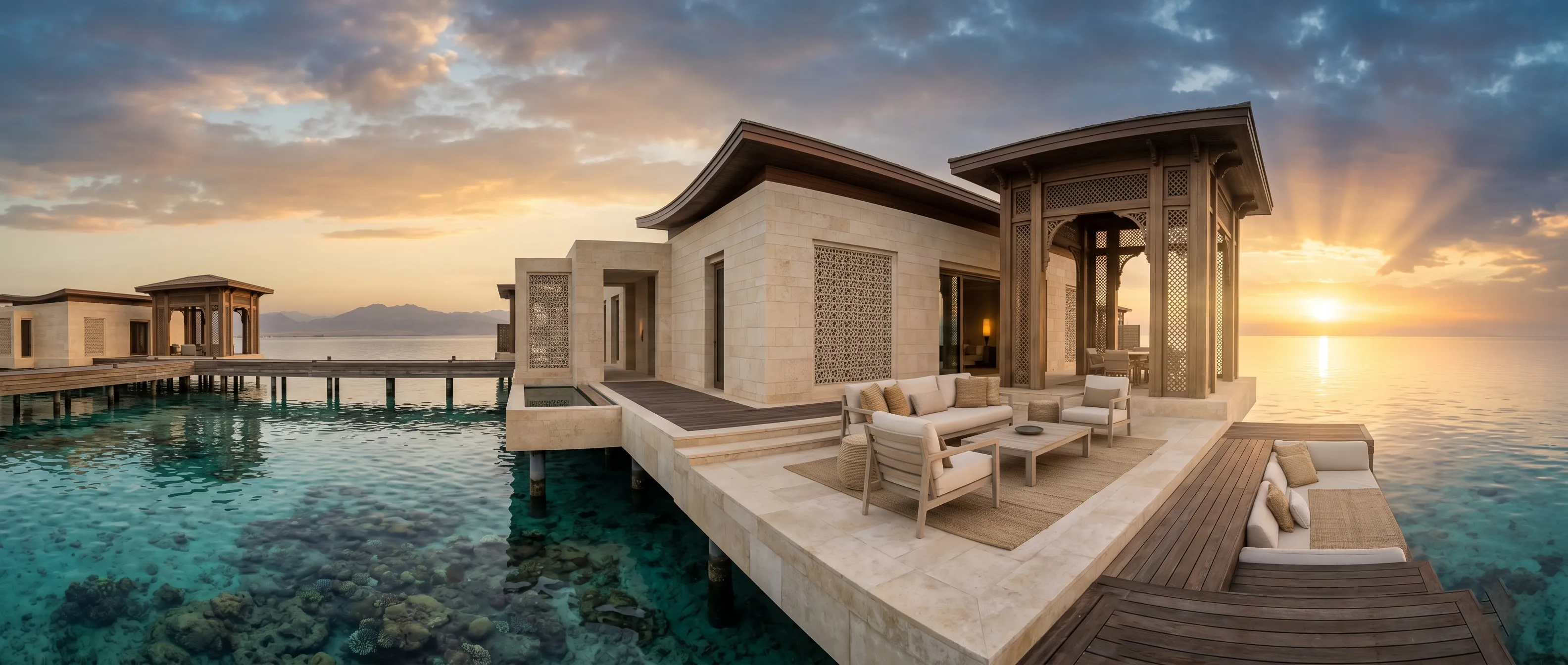
The average honeymoon cost in 2026 ranges from $5,300 to $6,500, but eco-luxury international destinations can easily exceed $10,000-$15,000, especially for longer trips or overwater bungalows. Accommodations typically consume 35-50% of the budget.
02 How can we identify genuinely eco-friendly luxury resorts and avoid greenwashing?
Look for resorts with recognized third-party certifications like LEED, Green Seal, Green Key, EarthCheck, Global Sustainable Tourism Council (GSTC), or Travelife. These certifications indicate verifiable sustainable practices in energy, water, waste, and community engagement.
03 What are some top eco-conscious honeymoon destinations for 2026?
Destinations like Costa Rica (especially the Osa Peninsula), the Faroe Islands, Belize, and Seychelles are highlighted for their commitment to conservation, local employment, and sustainable tourism.
04 What are the latest trends for honeymoons in 2026, especially for conscious couples?
Eco-luxury is a major trend, with couples seeking meaningful, environmentally conscious travel without sacrificing comfort. Multi-stop 'contrasting honeymoons' combining adventure, culture, and relaxation are also popular, often incorporating sustainable transport like trains.
05 How can we ensure our honeymoon supports local communities?
Prioritize spending locally by choosing local accommodations, dining at neighborhood restaurants, and buying souvenirs from small businesses. Engaging with local conservation or social projects and respecting local customs are also key.
06 What are some practical tips for reducing our carbon footprint during our honeymoon?
Consider offsetting flight emissions, packing light, flying direct, and choosing eco-friendly transportation like trains or buses where possible. Opt for sustainable accommodations, conserve energy and water, and avoid single-use plastics.

Sarah Jenkins
Journey Logistics Boss
Engineering high speed travel routes for maximum global efficiency.