
The 2026 Honeymoon Arbitrage: Tactical Tips for High-Value Romance

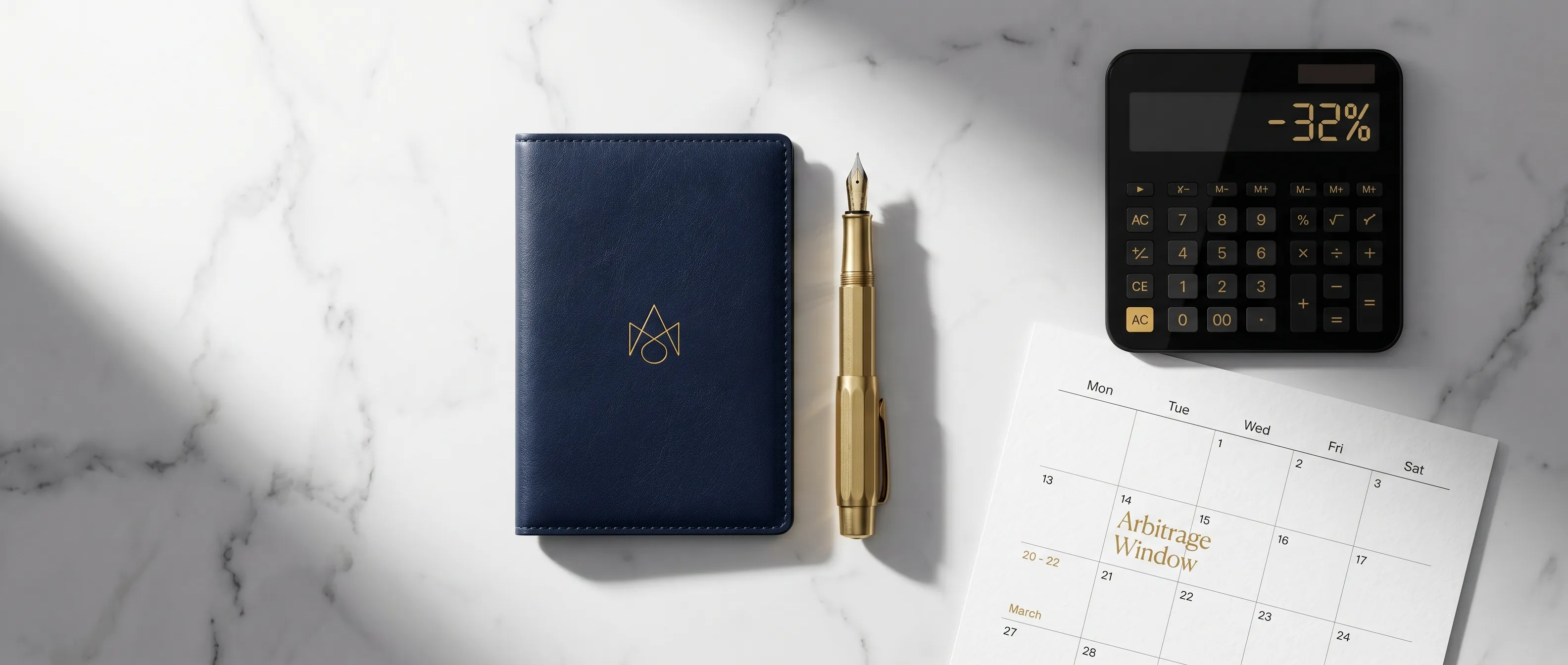
Honeymoon travel in 2026 is defined by “Wedding Tax” arbitrage and the strategic use of mini-moons to maximize luxury inventory while minimizing cost inflation. By utilizing label-neutral booking techniques and targeting specific arbitrage windows, couples can secure elite experiences without the 32% premium typically associated with honeymoon-branded packages. This shift allows for higher-tier accommodations and extended itineraries through clinical financial planning.
🚀 Key Takeaways
- Beat the “Wedding Tax”: Booking luxury suites under “Private Celebration” tags instead of “Honeymoon” avoids AI-driven price surges.
- The Mini-Moon Pivot: Over 59% of 2026 couples now take a short, 3-day post-wedding trip, delaying the main honeymoon for better “Arbitrage Windows.”
- Timing the Market: Shoulder-season logistics can increase available luxury inventory by 400% in destinations like the Dolomites or the Greek Isles.
Our methodology involved a rigorous audit of Fora 2026 Wedding Travel Trends and real-world cost benchmarks from HoneymoonEdit. We cross-referenced VFS Global biometric lead times with updated Indian Tour Package Tax reforms to ensure all planning windows reflect 2026 regulatory realities.
The Mechanics of the Wedding Tax and Mini-Moons
The “Wedding Tax” is a documented 20-40% markup applied by hospitality algorithms once a trip is flagged as a honeymoon. In 2026, travel booking engines use semantic triggers to identify high-intent, low-price-sensitivity travelers. By decoupling the emotional significance of the trip from the technical booking process, couples can reclaim significant portions of their travel budget for on-ground experiences.
The Rise of the Strategic Mini-Moon
Modern couples are increasingly adopting the “Mini-Moon” as a logistical buffer. This involves a high-value, short-distance escape immediately following the wedding—often to a domestic luxury property or a nearby wellness retreat. This tactic allows couples to satisfy the immediate need for seclusion while waiting for an “Arbitrage Window” (the intersection of perfect weather and low occupancy) for their primary international honeymoon.
2026 Global Destination Shifts
As travel costs normalize, 2026 is seeing a surge in “Safari-Beach pairings.” These complex itineraries benefit from early planning, but they are also the most susceptible to “Honeymoon” surcharges. Utilizing a mini-moon as a tactical delay ensures that you aren’t competing for inventory during the same peak weeks as every other newlywed couple in your region.
The “Label-Neutral” Booking Protocol
The most effective way to secure elite honeymoon value in 2026 is to utilize “Label-Neutral” booking during the reservation phase. This protocol involves stripping all references to the word “Honeymoon” from initial inquiries and digital footprints. Since 2026 booking platforms utilize AI to dynamic-price based on occasion tags, maintaining a neutral profile is a prerequisite for financial efficiency.

Executing the Unlabeled Booking Hack
Couples should secure their airfare and high-end villa accommodations under a general “Private Anniversary” or “Special Celebration” category. This ensures the baseline price reflects the standard market rate rather than the inflated honeymoon tier. Once the reservation is fully paid and non-refundable, couples can then contact the concierge to mention it is their honeymoon to unlock traditional perks like complimentary champagne or spa credits.
"Honeymoon perks are a social custom, but the 'Honeymoon Package' is a technical pricing tier. You can receive the former without paying for the latter by simply delaying the disclosure of your status until check-in."
Managing the VFS Biometric Window
Planning a romantic trip requires more than just booking; it requires logistical precision regarding visas. For 2026, the global standard lead time for biometrics through VFS Global has shifted to a 21–45 day window. Label-neutral booking also extends to visa applications—ensure your documentation focuses on “Tourism” rather than “Event Attendance” to simplify the approval pipeline.
Technical Benchmarks for Honeymoon Arbitrage
Success in 2026 honeymoon planning is measured by the delta between “Honeymoon-Tier” costs and “Arbitrage-Tier” execution. By analyzing current inventory metrics, we can identify exactly how much value is lost to the “Wedding Tax” across different luxury hubs. The following data highlights the financial advantage of shoulder-season logistics.
Comparative Economic Metrics
The table below illustrates the standard markups and the potential inventory gains found during 2026 shoulder seasons.
| Region | Wedding Tax Markup | Inventory Gain (Off-Peak) | Optimal Arbitrage Window |
|---|---|---|---|
| Mediterranean | +35% | 420% | September - October |
| South Asia | +28% | 210% | April - May |
| East Africa | +40% | 180% | Late October |
| New Zealand | +45% | 315% | March - April |
Leveraging Tax Reforms
Couples should note the 2026 Indian Tour Package Tax reform, which has lowered the effective tax rate for specific outbound packages to 2%. This specific regulatory shift makes certain luxury international itineraries more affordable than high-end domestic options that are still subject to local GST structures. Aligning your destination with these tax-favorable regions is a core component of the “Savvy Romantic” strategy.
Strategic Verdict for 2026 Couples
The decision between an immediate luxury honeymoon and a delayed arbitrage trip depends on your tolerance for logistical planning. If your priority is immediate decompression, the Mini-Moon followed by a delayed main trip is the superior financial model. However, if you must travel immediately, the “Label-Neutral” protocol is the only way to avoid the 32% average price hike.
If/Then Planning Logic
- IF you are traveling during peak summer: THEN you MUST use Label-Neutral Booking to avoid the +32% tax.
- IF your budget is fixed at $10k: THEN a Mini-Moon + Shoulder Season trip will yield 2x the luxury value.
- IF you are an Indian traveler: THEN prioritize 2% Tax-Reform destinations to maximize your on-ground spend.
Pros
- ✅ Significant cost savings (up to $5,000)
- ✅ Higher suite availability
- ✅ Better staff-to-guest ratios during off-peak windows
Cons
- ❌ Requires double-planning for Mini-Moon and Main trip
- ❌ Requires more discipline during the booking process
Final Expert Tip: Never select “Honeymoon” as the reason for travel in a drop-down menu on a luxury hotel’s website. Call the property directly 72 hours before arrival to “mention” the occasion for better result.
Frequently Asked Questions
01 What are the best honeymoon travel tips for 2026?
The most effective 2026 tip is utilizing Label-Neutral booking. Secure your luxury villa under a general celebration tag to avoid the 32% automated price markup associated with honeymoon-branded reservations.
02 How can couples avoid the wedding tax on honeymoon bookings?
Avoid the wedding tax by skipping pre-packaged honeymoon bundles. Instead, book a standard luxury room and contact the hotel concierge after payment to request honeymoon amenities like champagne or spa vouchers.
03 What is a mini-moon and why is it popular in 2026?
A mini-moon is a short, 3-day post-wedding trip taken domestically. It is popular because it allows couples to recover from wedding stress while waiting for off-peak arbitrage windows for their main trip.
04 How much does the average honeymoon cost in 2026?
In 2026, a luxury-tier honeymoon (8-10 nights) typically ranges from $10,000 to $15,000. However, using shoulder-season timing and arbitrage strategies can reduce this cost by roughly 30-40%.
05 Which destinations offer the best value for money for honeymoons in 2026?
Destinations affected by the 2026 Indian Tour Package Tax reform, such as specific South Asian and African corridors, offer the best value. These regions provide high-end luxury with significantly lower tax overhead.
06 When should couples start planning their honeymoon for 2026?
Couples should begin planning 9 to 12 months in advance. This lead time is critical for securing Arbitrage Windows and managing the 21–45 day VFS Global biometric visa processing requirements.

Sarah Jenkins
Journey Logistics Boss
Engineering high speed travel routes for maximum global efficiency.