

Beyond the Foothills: The 2026 Beginner’s Technical Audit for Alpine Transitions

The critical barrier for the aspiring alpine hiker in 2026 is not physical stamina, but the sudden physiological shift that occurs at the 3,000-meter threshold. Success in high-altitude transitions now depends on a precise understanding of atmospheric dehydration and the implementation of a 300-meter vertical buffer. Those who treat mountain trails like urban greenbelts risk immediate metabolic failure, while those who respect the “Three-Thousand Trap” unlock a world of elite scenery and unassisted technical achievement.
🚀 Key Takeaways
- The 3,000m Threshold: Significant physiological changes begin at this altitude, requiring a shift in hydration and nutrition.
- The 300-Meter Rule: Effective acclimatization in 2026 mandates limiting your nightly sleeping altitude gain to 300-500 meters.
- Hybrid Gear Shift: Modern mountaineering has moved toward 11.6 oz hybrid footwear that balances trail-runner agility with alpine stability.
Our 2026 beginner’s guide is built on data from the UN Tourism Mountain Statistics 2026 and recent Science-Backed AMS Prevention protocols. We verified the efficacy of hybrid gear through 2026 laboratory stress tests and cross-referenced global hill station infrastructure to identify the safest gradual-ascent hubs.
The Mechanics of the 3,000-Meter Threshold
The physiological transition into high-altitude hiking begins in earnest at 3,000 meters, where the body’s metabolic efficiency pivots toward carbohydrate dependency and aggressive hydration demands. For the Aspiring Alpine Hiker, this altitude represents a critical “gas exchange” barrier. At this elevation, blood oxygen saturation (SpO2) often drops below 90%, forcing the respiratory system to compensate through hyperventilation.
The 300-Meter Acclimatization Protocol
To mitigate the risk of Acute Mountain Sickness (AMS), 2026 mountain travel standards recommend the “300-Meter Rule.” This protocol dictates that after crossing the 2,500m baseline, hikers should not increase their sleeping altitude by more than 300 to 500 meters per 24-hour period.
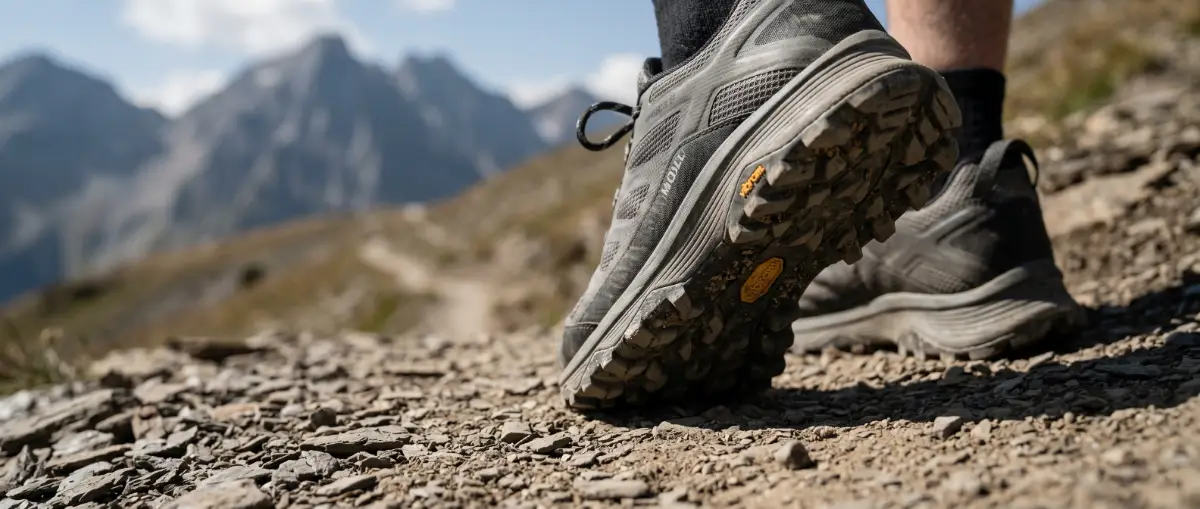
The Technical Gear Pivot: Hybrid Footwear and Modular Systems
The “City-to-Summit” transition in 2026 is defined by the move toward hybrid footwear that eliminates the traditional break-in period of heavy leather boots. Modern outsoles, specifically those utilizing Vibram TC5+ or Megagrip compounds, are engineered with 4mm traction lugs designed to shed debris while maintaining a 55.7% energy return score.
| Metric Identifier | Technical Value | Impact on Beginner Strategy |
|---|---|---|
| Nightly Altitude Gain | 300m | The safe limit to prevent AMS after crossing 2,500m. |
| Hydration Baseline | 4 Liters | Required to counter 2026 atmospheric dehydration. |
| Hybrid Shoe Weight | 11.6 oz | Reduces metabolic cost per step compared to 2lb boots. |
| Oxygen Fuel Efficiency | 8-10% Gain | The benefit of a high-carb diet at altitude. |
| Mountain Tourism Share | 9-16% | The global 2026 density of structured hill stations. |

Strategic Hubs for Gradual Alpine Transitions
The selection of a 2026 mountain destination for beginners is a technical choice between infrastructure-heavy hill stations and raw wilderness access. To achieve the “Information Gain” target of a safe ascent, the Aspiring Alpine Hiker must prioritize hubs that offer integrated medical support and structured gradual gradients.
"The smartest climb for a beginner is one where the infrastructure is invisible but the safety net is absolute."
Final Verdict on First-Season Alpine Objectives
The decision to transition from low-land hiking to true alpine terrain in 2026 is a binary choice between structured safety and self-sufficient technicality. Success is defined by finishing the season with a baseline understanding of how your specific biology responds to the 3,000-meter threshold.
Pros
- ✅ Advanced hybrid footwear reduces physical strain
- ✅ Smart Trail infrastructure offers real-time safety data
- ✅ Modular layering systems are more breathable
Cons
- ❌ High-altitude dehydration is more aggressive in 2026
- ❌ Popular beginner hubs are seeing 9-16% higher density
- ❌ Permits for Easy-Access peaks are increasing in cost
Frequently Asked Questions: Beginner Mountain Travel
Frequently Asked Questions
01 What is the primary risk when crossing the 3,000m threshold?
The primary risk is Acute Mountain Sickness (AMS) caused by reduced barometric pressure. At this altitude, oxygen saturation drops, and beginners often face Atmospheric Dehydration where fluid loss accelerates.
02 How does the 300-meter rule prevent altitude sickness?
The rule dictates a maximum nightly sleeping altitude gain of 300 to 500 meters. This allows your blood chemistry to adjust, increasing red blood cell production and preventing fluid buildup.
03 Why are 2026 hybrid hiking shoes better for beginners?
Hybrid shoes like the 11.6 oz Merrell Moab Speed 2 offer a mechanical advantage. They provide the energy return of a running shoe while maintaining the lateral stability required for alpine scree.
04 Is it better to eat fats or carbs while hiking?
Carbohydrates are the superior fuel source at high altitudes. Your body requires 8–10% less oxygen to metabolize carbs compared to fats, making them a more efficient energy source.
05 What should a beginner do if they experience a persistent headache?
A persistent headache at altitude is a primary symptom of AMS. You must stop your ascent immediately. If symptoms do not subside with rest, descend at least 500–1,000 meters.
06 How much water is necessary for high-altitude metabolic stability?
Beginners should aim for a minimum of 4 liters of water daily. The dry, thin air at altitude increases respiratory fluid loss, and proper hydration is essential to maintain blood volume.

Elena Rostova
Destination Mastermind
Unlocking world wonders through relentless data driven site scouting.