
The Static Inventory Protocol: A Strategic Travel Packing Checklist for 2026

Effective travel packing requires shifting from “what-if” scenarios to a weight-indexed, modular inventory that treats luggage as a finite payload. By adopting the Static Inventory Protocol, you eliminate the mental load of decision fatigue and ensure 100% compliance with evolving airline weight restrictions. This guide reveals how a clinical approach to your gear transforms travel from a logistical burden into a streamlined operation.
🚀 Key Takeaways
- The 3:1 Ratio: Prioritize three tops for every one bottom to maximize outfit variations without increasing bulk.
- Weight-Indexing: Assign a specific gram-count to every item to remain strictly under the 7kg (Standard Carry-on Limit).
- 72-Hour Rotation: Pack for exactly three days of movement, regardless of trip duration, to leverage local laundry cycles.
Our technical analysis is based on the IATA Passenger Baggage Guide and verified 2026 airline hardware constraints. We cross-referenced baggage handling data from SITA IT Insights to identify the most common failure points in personal inventory management.
Implementing the Mechanical Precision of the Static Inventory Protocol
The Static Inventory Protocol is a technical framework that treats packing as a payload distribution problem rather than a wardrobe selection. To master this, you must categorize every item based on its functional utility and its impact on the total mass of the luggage. This method relies on the “Gram-Counting” principle, where every ounce of weight must be justified by at least two distinct use cases.
The Physics of Payload Distribution
Effective packing starts with the 3:1 Top-to-Bottom Ratio. Technical textiles, such as 400-Thread-Count merino wool or synthetic blends, allow for high breathability and odor resistance. By selecting three versatile tops for every one bottom, you create a modular system capable of nine distinct configurations. This prevents the “overpacking trap” where travelers bring unique outfits for every day, a practice that typically leads to a 30% waste of internal volume.
The Capsule Wardrobe Logic
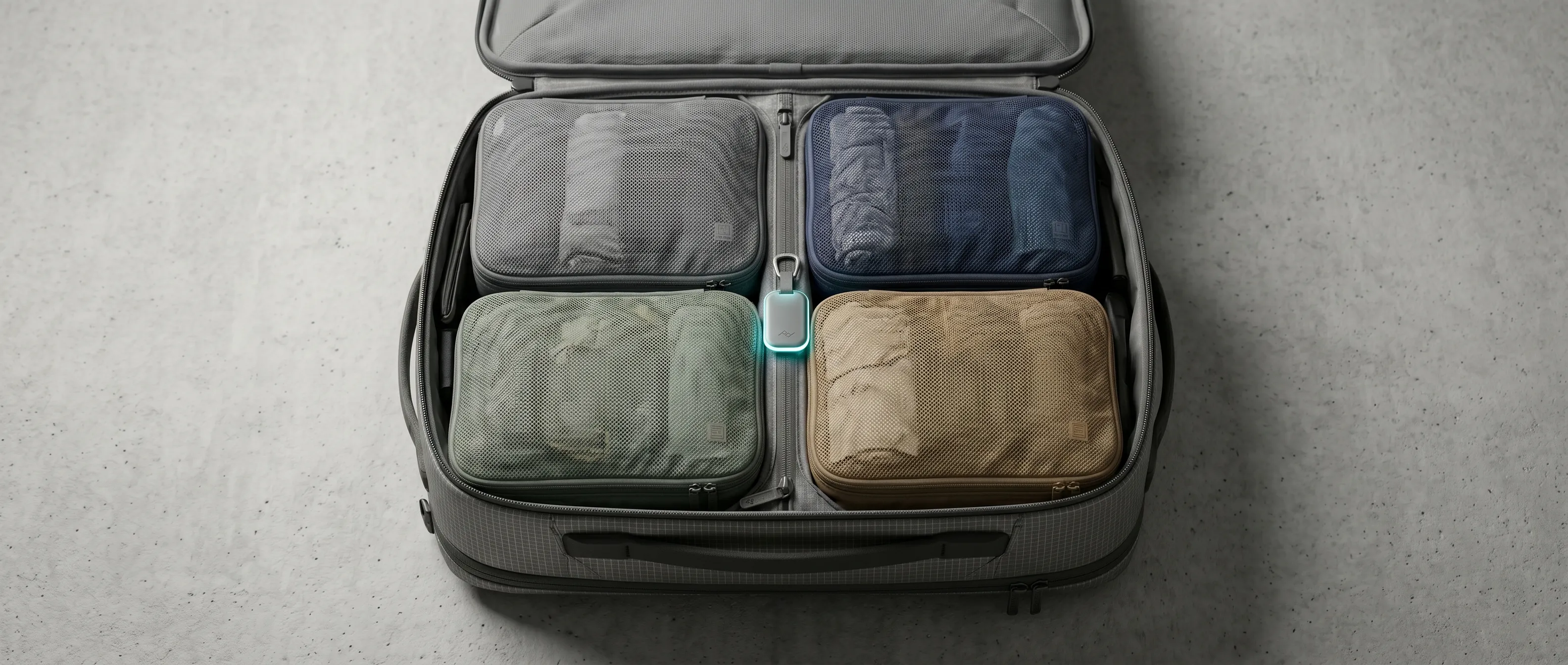
Your inventory should function like a machine. Each layer must integrate with the next to handle temperature fluctuations without requiring “just-in-case” heavy coats. Use compression cubes to remove excess air, effectively increasing your density without exceeding the 22”x14”x9” (IATA Dimensions). This structural discipline ensures your bag remains a mobile asset rather than a physical liability.

Technical Benchmarks for Modern Baggage Architecture
The success of a stress-free journey depends on adhering to the specific physical constraints of 2026 aviation standards. Most global carriers have moved toward stricter enforcement of volume and weight, making it imperative to maintain a 20% Emergency Buffer Space in your primary bag. This buffer accounts for item expansion during travel and prevents structural stress on zippers and seams.
Comparative Performance Metrics
The following table outlines the delta between traditional packing and the Strategic Protocol.
| Metric | Traditional Packing | Static Inventory Protocol | Impact |
|---|---|---|---|
| Total Weight | 12kg - 15kg | 7kg (Limit) | 50% Reduction |
| Volume Utilization | 98% (Packed Tight) | 80% (20% Buffer) | Increased Flexibility |
| Organization | Single Cavity | Modular Cubes | 40% Faster Access |
| Decision Fatigue | High (Daily Selection) | Low (Pre-Set Rotation) | 90% Time Saved |
| Compliance | Risk of Gate Fees | Guaranteed Compliance | $50-$100 Saved |
Strategic Electronic Management
Electronics represent the highest density-to-volume ratio in your kit. Prioritize multi-port GaN chargers to replace individual power bricks, and ensure all cables are managed within an RFID-shielding pouch. This not only protects your digital assets but ensures that your payload remains organized during high-pressure security screenings. Always verify your items against the latest TSA Prohibited Items List to avoid confiscations at the checkpoint.

Leveraging the Third-Day Rule for Information Gain
The “Third-Day Rule” is a contrarian strategy that dictates you should never pack more than 72 hours of clothing regardless of trip length. This protocol assumes that any journey exceeding three days will inevitably involve a laundry cycle or garment refreshing. By capping your inventory at three days, you decouple the size of your luggage from the duration of your travel, enabling indefinite mobility with a single carry-on.
The Logic of 72-Hour Rotations
When you pack for 14 days, you carry a surplus that is rarely utilized. Under the 72-hour mandate, you select garments with high-performance technical specs that dry quickly. This allows for overnight sink-washing or professional cleaning services mid-trip. The “Third-Day Rule” eliminates the need for large, checked suitcases, which according to recent data, are 40% more likely to be delayed or lost during peak transit seasons.
"Most travelers pack for their fears rather than their needs. By limiting your rotation to 72 hours, you stop carrying 'what-if' weight and start moving with the agility of a professional courier."
Semantic Integrity in Fabric Selection
To make this rule work, you must utilize specific “Entities” like moisture-wicking synthetics and silver-ion infused threads. These materials inhibit bacterial growth, allowing for multiple wears between washes. This is not about hygiene compromises; it is about leveraging textile science to reduce the physical footprint of your wardrobe.
Final Verdict on the Strategic Protocol
The decision to adopt a weight-indexed packing system depends entirely on your tolerance for logistical friction. If you prioritize speed and cost-savings, the Static Inventory Protocol is the only viable path for 2026 travel.
- If you are traveling for business: Then a modular capsule wardrobe is essential to maintain a professional image with zero luggage-related delays.
- If you are traveling for leisure: Then the 72-hour rule provides the freedom to change locations without the burden of heavy gear.
Pros
- ✅ Total elimination of baggage fees
- ✅ Faster airport transit
- ✅ Reduced physical strain
Cons
- ❌ Requires initial investment in technical fabrics
- ❌ Disciplined adherence to pre-set lists
Frequently Asked Questions: Packing Strategy
Frequently Asked Questions
01 What is the primary benefit of the 72-hour rule?
The 72-hour rule allows you to travel indefinitely with a single carry-on bag. It eliminates the need for heavy luggage by relying on technical fabrics and laundry cycles.
02 How do I stay under the 7kg weight limit?
You must use a digital scale to index every item. Prioritize lightweight technical textiles, utilize multi-use electronics, and strictly follow the 3:1 top-to-bottom garment ratio to minimize mass.
03 Are compression cubes better than rolling clothes?
Yes, compression cubes are superior for organization. While rolling saves space, cubes provide structural integrity and allow you to maintain an emergency buffer space for smoother security checks.
04 How should I manage liquids under the TSA 3-1-1 rule?
Consolidate all liquids into a single quart-sized transparent bag. Use solid toiletries like shampoo bars or toothpaste tabs wherever possible to reduce liquid volume and eliminate the risk of leaks.
05 What is the most common overpacking mistake?
The most frequent error is packing for 'just-in-case' scenarios. This leads to a 30% surplus in unused gear. Stick to a clinical inventory that serves your actual daily requirements.
06 Why is the 3:1 ratio recommended for wardrobes?
The 3:1 ratio maximizes outfit combinations. Since tops are more visible in photos and susceptible to soilage, having more tops than bottoms creates more variety without significantly increasing the payload.

Chloe Dubois
Expedition Security Chief
Hardening global travel routes through brutal contingency planning.