
The Blue Frontier: Top Tropical Destinations Pioneering Marine Restoration
Regenerative tropical travel focuses on destinations where tourism revenue maintains a Living Coral Cover percentage above 40% through active outplanting. By selecting islands integrated into Marine Protected Areas (MPAs), travelers transition from passive observers to active participants in Blue Carbon Sequestration. The standard for a top-tier tropical destination has shifted from mere aesthetic beauty to the measurable health of its Benthic Microhabitats.
🚀 Key Takeaways
- Regenerative Priority: Choose destinations with active Coral Nursery Silviculture programs to ensure your visit funds reef resilience.
- Thermal Stability: Prioritize islands monitored by NOAA Coral Reef Watch with low Sea Surface Temperature (SST) variance.
- Impact Verification: Look for a high Marine Protected Area (MPA) Coverage Ratio to ensure local law protects biodiversity.
Our technical audit utilizes data from the Blue Marine Foundation and UNESCO Marine World Heritage metrics. We prioritized regions showing a Biodiversity Net Gain (BNG) over the last 24 months, filtering out resorts that lack transparent plastic diversion tonnage reports or verified coral outplanting success rates.
Engineering Benthic Resilience Through Silviculture
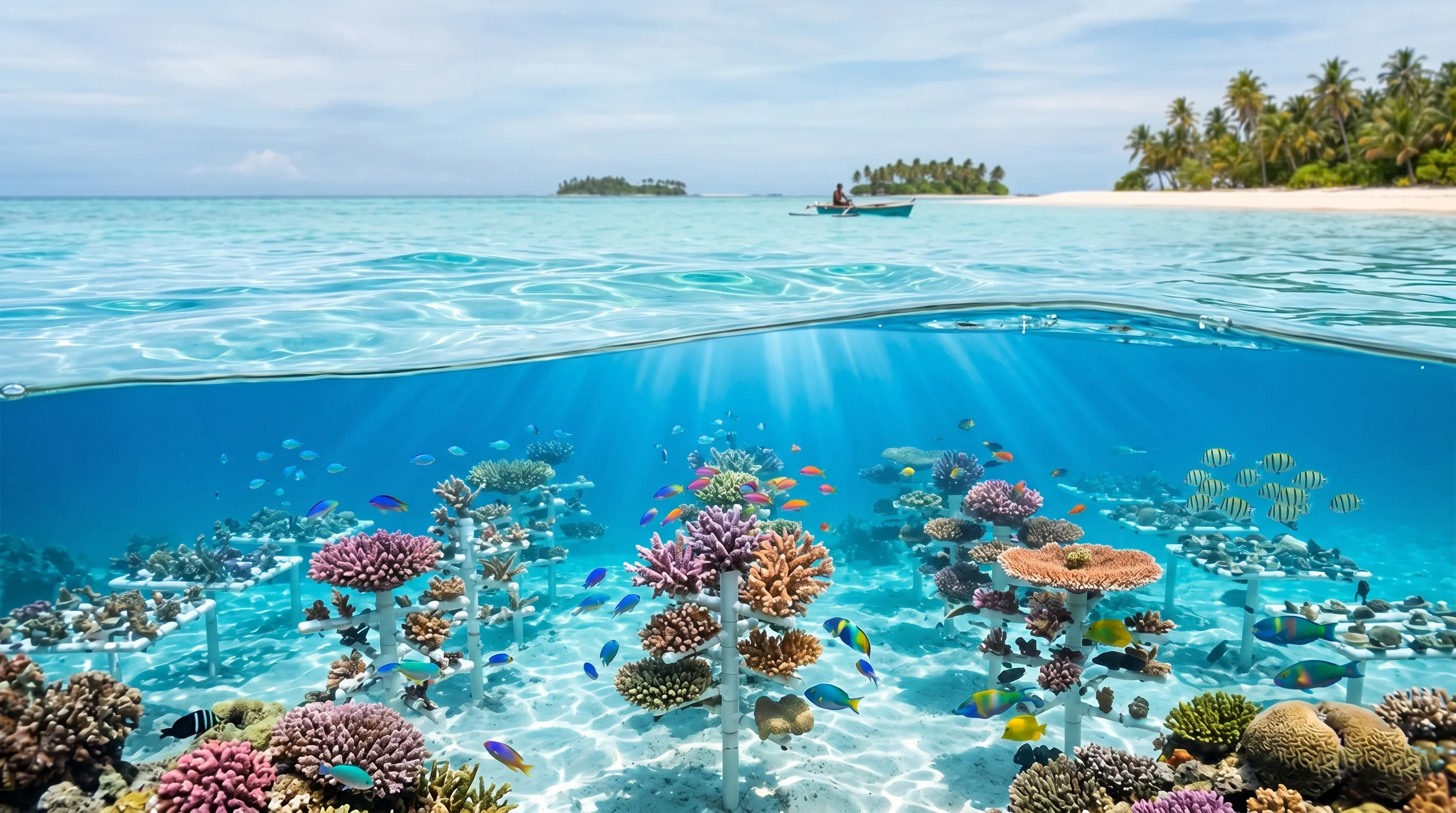
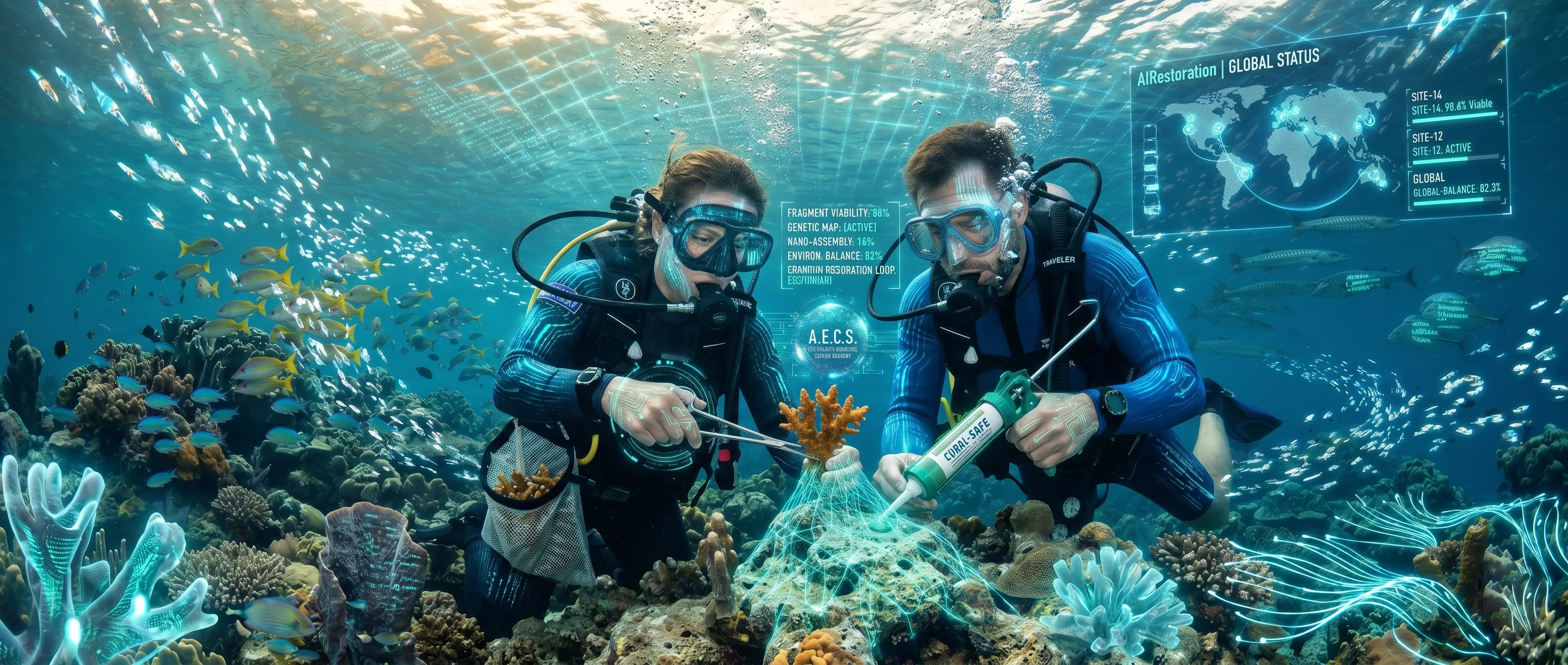
Coral Nursery Silviculture represents the mechanical backbone of modern reef restoration in high-traffic tropical zones. Unlike passive conservation, this active engineering involve the fragmentation of Scleractinian Resiliency—specifically targeting coral genotypes that have survived previous bleaching events. These fragments are suspended on “Coral Trees” or PVC structures where high water flow optimizes nutrient uptake and accelerates growth rates by up to 400%.
Mechanics of Marine Permaculture
The transition from traditional beachfront tourism to Marine Permaculture requires a fundamental shift in coastal infrastructure. Regenerative destinations utilize underwater structures to dampen wave energy, protecting shorelines while providing complex scaffolding for Benthic Microhabitats. This biological engineering reduces the need for invasive sea walls and dredging, which are historically the primary drivers of coastal sediment stress.
The Citizen Scientist Integration
Modern tropical sanctuaries now offer “Citizen Scientist” modules, allowing guests to assist in benthic monitoring. This involves using specialized underwater cameras to document coral growth and fish population density. These data points are fed into global databases maintained by The Coral Reef Alliance, creating a transparent link between traveler presence and ecological recovery.
Global Blue Carbon Benchmarks
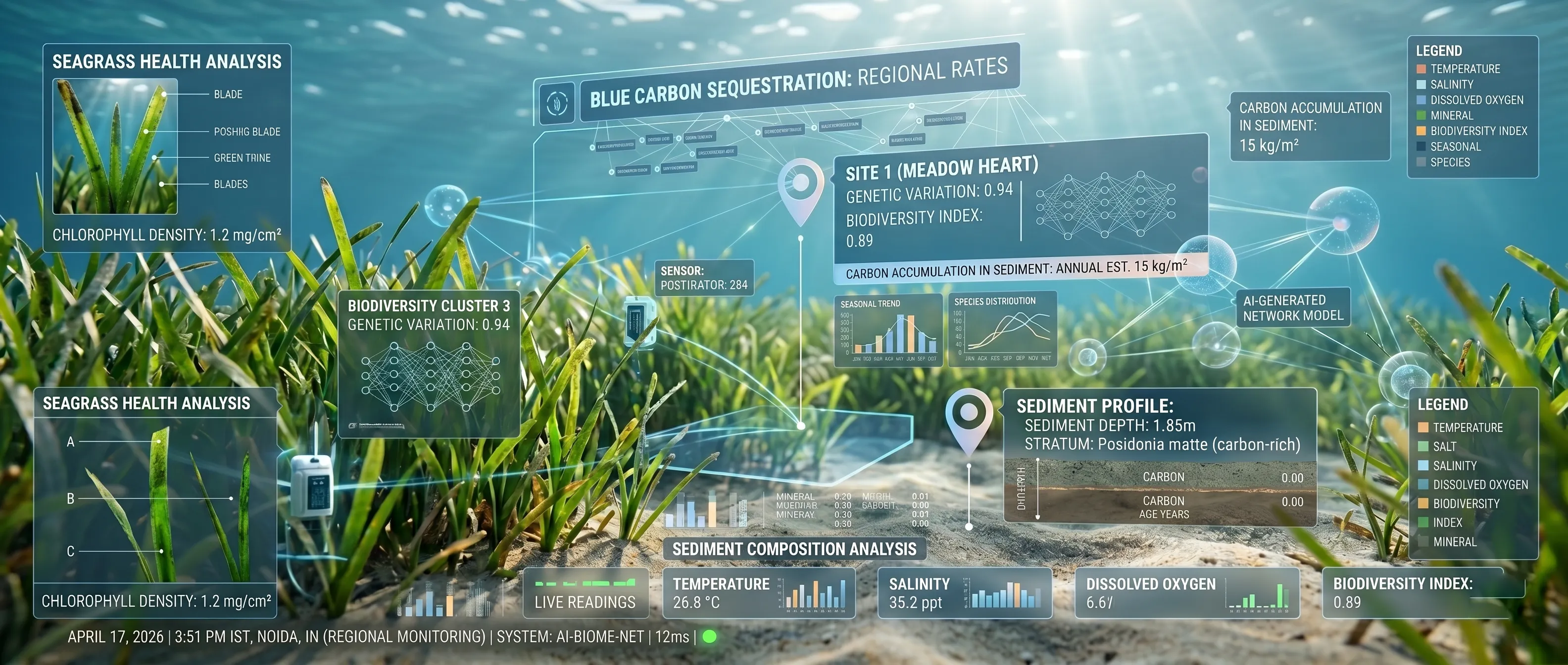
The viability of a tropical destination for the conservation-minded traveler is defined by its ability to sequester carbon. Destinations that protect seagrass meadows and mangroves alongside coral reefs achieve a higher Blue Carbon Sequestration rating. These ecosystems are up to 10 times more effective at storing carbon than terrestrial forests, making them critical in the fight against ocean acidification.
Comparative Marine Health Metrics
| Destination Region | Living Coral Cover % | MPA Coverage Ratio | Active Outplanting Sites | Plastic Diversion (Tons/Yr) |
|---|---|---|---|---|
| Palau (Micronesia) | 45% | 80% | 12 | 450 |
| Seychelles (Outer Islands) | 38% | 50% | 8 | 320 |
| Great Barrier Reef (North) | 42% | 100% | 25 | 1,200 |
| Bonaire (Caribbean) | 41% | 100% | 15 | 180 |
Analyzing Scleractinian Resiliency
High-performing regions prioritize Scleractinian Resiliency, focusing on hard corals that build the reef’s physical framework. Data shows that in areas like Palau, the annual Sea Surface Temperature (SST) variance is minimized by deep-ocean currents, providing a natural thermal buffer. This stability allows coral nurseries to achieve a survival rate of over 85% for outplanted fragments.
The Paradox of Island Accessibility
The greatest challenge to marine conservation is the carbon cost of the “Eco-Resort” model versus true Marine Permaculture. Many luxury destinations claim sustainability through solar panels while ignoring the massive carbon footprint of their supply chains and aviation requirements. The contrarian reality is that the most sustainable tropical travel often happens in “Intermediate Access” zones—regions developed enough to handle waste management effectively but remote enough to maintain high MPA ratios.
"A resort is not 'green' because it uses paper straws; it is regenerative only if its presence creates a measurable increase in local reef biomass and seagrass density."
Focusing on destinations that report “Plastic Diversion Tonnage” ensures that your stay isn’t contributing to the oceanic plastic crisis. True leaders in this space view the ocean not as a backdrop for leisure, but as a critical infrastructure that requires active maintenance and investment.
Technical Verdict on Regenerative Beach Holidays
Your choice of tropical destination should be dictated by the specific marine ecosystem you wish to support. Use the following logic to anchor your travel plans:
- IF your priority is direct involvement in reef engineering, THEN target the Great Barrier Reef’s northern sectors or Bonaire’s nursery programs.
- IF you seek destinations with the highest legal protections for water, THEN prioritize Palau’s National Marine Sanctuary.
Pros
- ✅ Superior biodiversity and high-density marine life encounters.
- ✅ Verified contribution to global carbon sequestration efforts.
- ✅ Integration into 'Citizen Science' programs with lasting impact.
Cons
- ❌ Higher environmental levies and mandatory conservation fees.
- ❌ Limited accessibility to sensitive 'No-Take' zones.
Frequently Asked Questions: Tropical Destinations
Frequently Asked Questions
01 What defines a regenerative tropical destination?
Regenerative destinations go beyond sustainability by actively improving the ecosystem. This includes measurable increases in living coral cover, successful coral outplanting, and the restoration of seagrass meadows to enhance carbon sequestration.
02 Why is Living Coral Cover percentage important?
Living Coral Cover is a primary metric for reef health. A percentage above 40% indicates a resilient ecosystem capable of supporting diverse marine life and protecting coastlines from erosion and storm surges.
03 How do Blue Carbon Sequestration work?
Blue Carbon refers to carbon captured by ocean ecosystems like mangroves and seagrasses. These habitats store carbon in their roots and soil, keeping it out of the atmosphere for millennia if left undisturbed.
04 What are Marine Protected Areas (MPAs)?
MPAs are zones where human activity is restricted to protect natural resources. High MPA coverage ratios ensure that coral reefs and fish populations can recover from environmental stressors without interference from industrial fishing.
05 What is Coral Nursery Silviculture?
This is the process of growing coral fragments in controlled underwater environments. Once mature, these corals are outplanted onto degraded reefs to accelerate recovery and increase the reef's structural complexity and resilience.
06 How can travelers assist in marine conservation?
Travelers can participate in 'Citizen Science' programs, such as benthic monitoring or reef cleaning. Financial contributions through conservation fees also fund the local infrastructure required for long-term marine restoration and protection.

Marcus Chen
Heritage Recon Chief
Decoding ancient history to build powerful modern travel experiences.