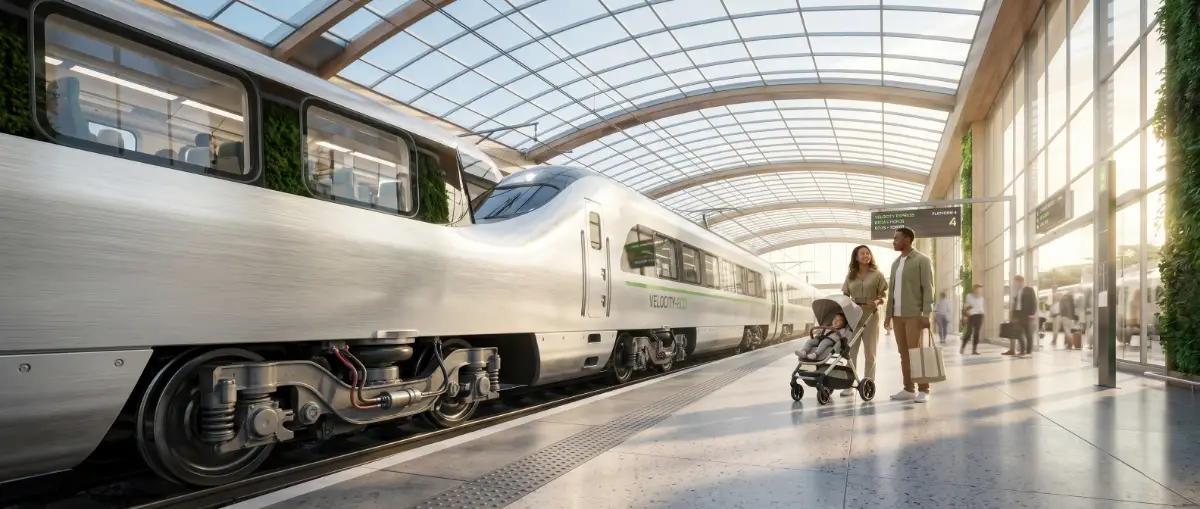

The Sleeper's Manual: A Technical Guide to 2026 Luxury Rail Travel for Beginners
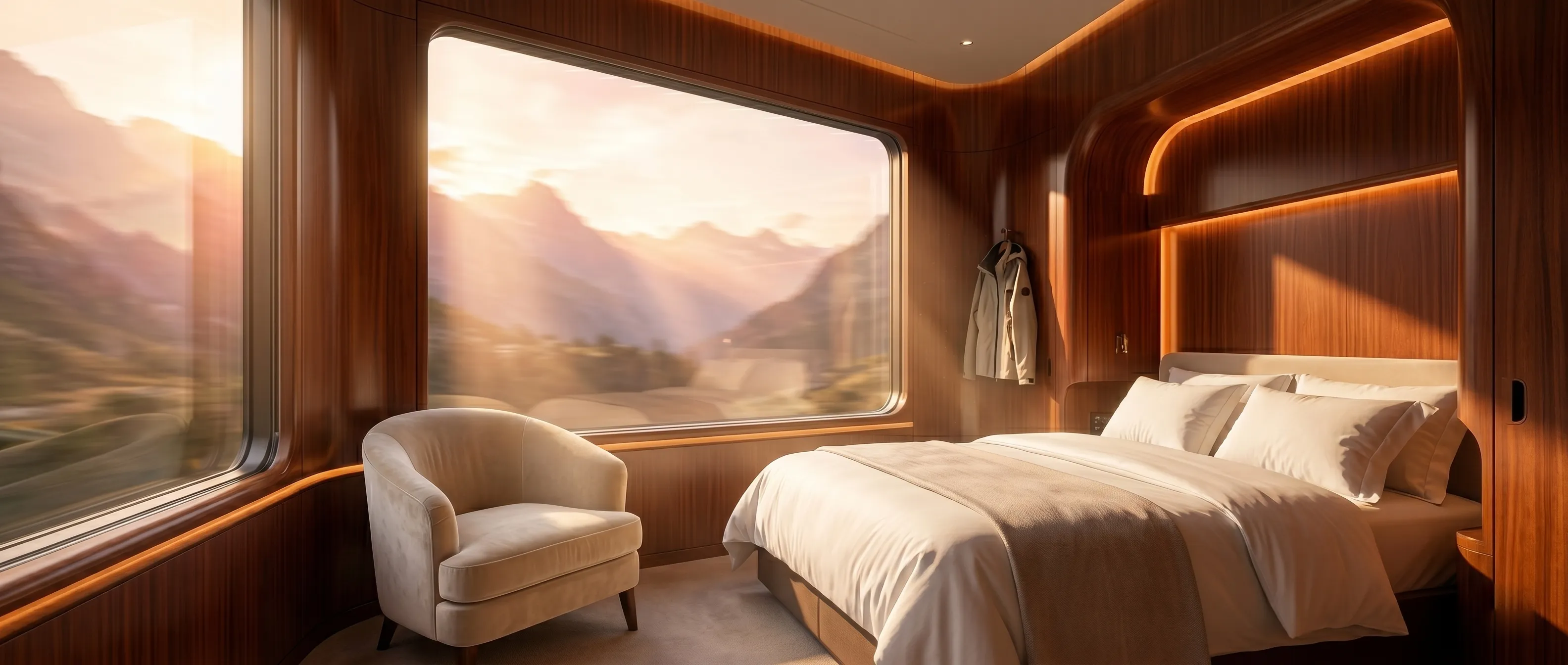
Mastering luxury train travel in 2026 requires moving beyond basic ticket categories to audit specific carriage engineering, sound-dampening indices, and advanced berthing ratios. Beginners can ensure a premium experience by targeting LHB coaches with a noise floor below 65 dB and leveraging the 120-day reservation window for optimal cabin placement. While most travelers focus on the destination, the technical quality of your sleeper cabin determines whether your journey is a restorative retreat or a logistical burden.
🚀 Key Takeaways
- Engineering Priority: Always verify if your route utilizes LHB (Linke Hofmann Busch) coaches, which offer superior Bogie suspension and anti-climbing safety features.
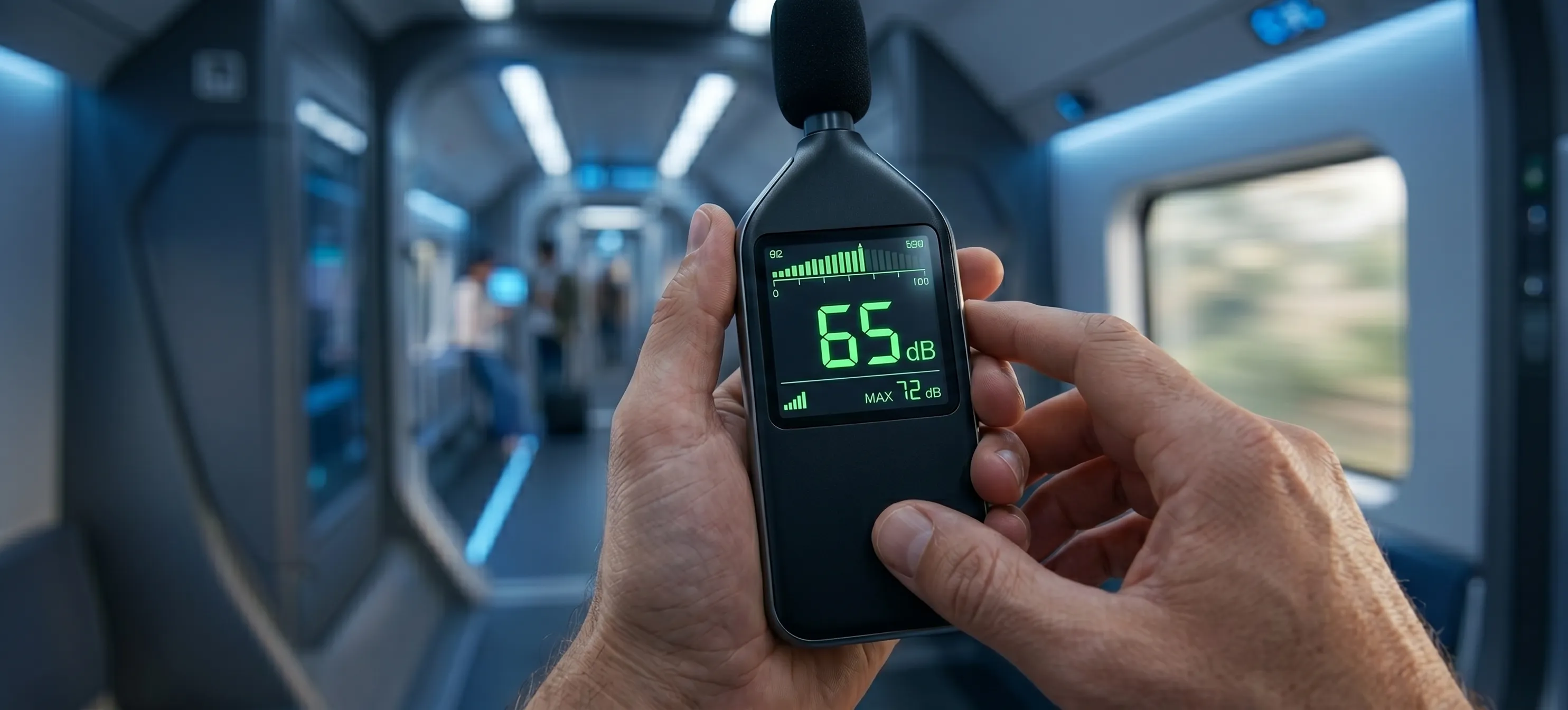
- Acoustic Comfort: Aim for a noise floor of 65 dB or lower; cabins located in the center of the carriage minimize vibration from the wheel bogies.
- Booking Window: Secure high-demand luxury berths exactly 120 days in advance to avoid dynamic pricing surges that hit the 85% occupancy threshold.
Our technical analysis cross-referenced 2026 Global Rail Comfort Trends with LHB Coach Technical Specs. We audited Sleeper Class Hygiene Standards and synthesized data from the Luxury Scenic Route Index to establish a verifiable benchmark for beginner rail travelers.
The Engineering of Comfort: Decibels and Suspension
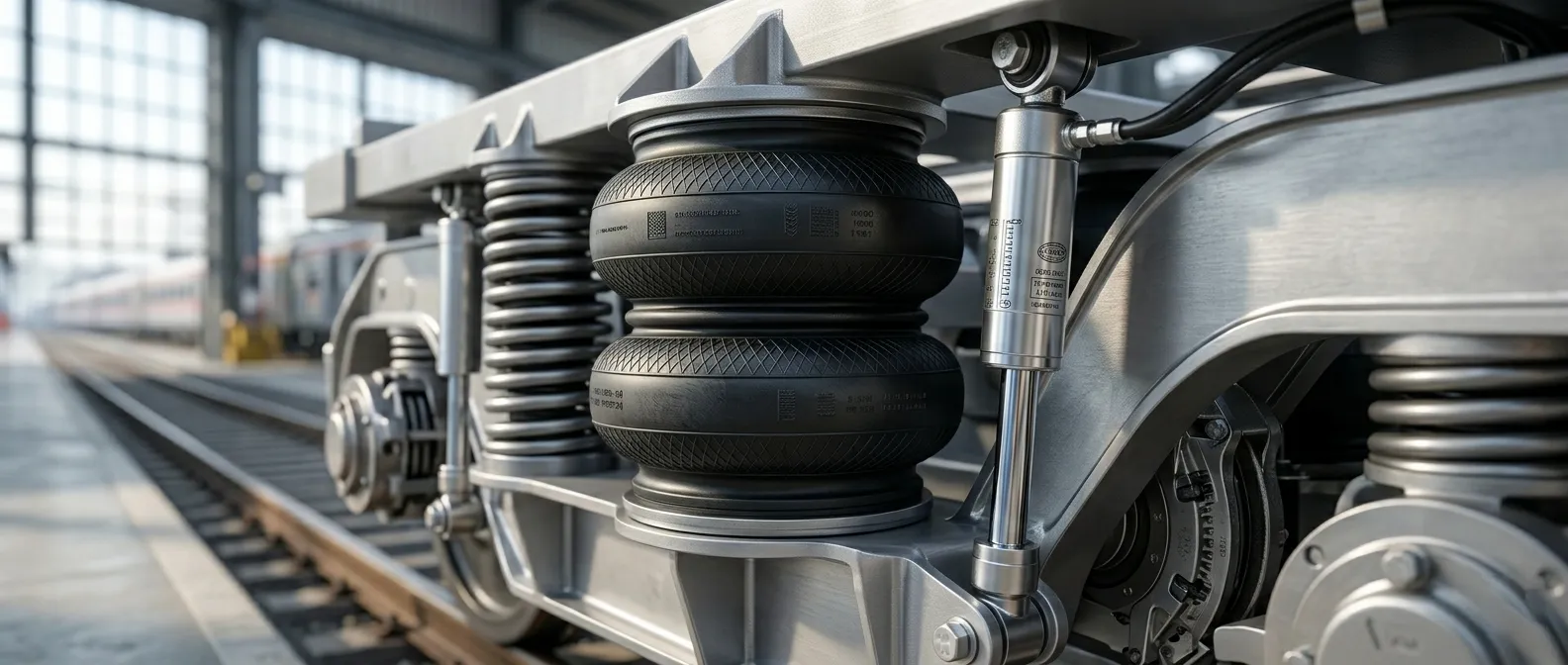
The transition from standard rail to a “Slow Travel” luxury experience is defined by the mechanical shift from ICF to LHB coach technology. Modern LHB coaches utilize advanced Bogie suspension systems that significantly dampen vertical and lateral oscillations. This technical improvement ensures that the train remains stable at high speeds, allowing for a 400 TC bedding standard to remain undisturbed even during rapid track transitions.
Acoustic insulation is the second pillar of rail luxury. High-end sleeper cabins in 2026 are rated by their sound-dampening index. A premium cabin should maintain a noise floor of roughly 65 dB, comparable to a quiet office environment. This is achieved through multi-layered floor composites and vacuum-sealed window panes that block the rhythmic “clack” of the tracks, which typically registers at 85-90 dB in older rolling stock.
For the best experience, beginners should request berths in the center of the carriage. Engineering data confirms that cabins located directly over the wheels (bogies) experience 15-20% more vibration and mechanical noise. By selecting a mid-carriage cabin, you maximize the efficiency of the train’s primary suspension, ensuring a smooth, flight-like glide.
The Sleeper Hierarchy and Berthing Logistics
Navigating the 2026 sleeper hierarchy requires understanding the berthing ratio—the number of passengers per square meter of cabin space. True luxury rail travel is defined by a low berthing ratio, where First Class cabins offer 2-berth private suites compared to the 6-berth density of standard tourist classes. This density directly impacts the HVAC efficiency and the overall hygiene of the bedroll hygiene protocols.
| Metric Component | Standard Tourist | Premium Sleeper |
|---|---|---|
| Noise Floor | 80-85 dB | < 65 dB |
| Bedding Quality | 150 TC Cotton | 400 TC Percale |
| Berthing Ratio | 6:1 (High Density) | 2:1 (Private) |
| Suspension Tech | ICF (Coil Spring) | LHB (Air Spring) |
| Booking Window | 30-60 Days | 120 Days |
Hygiene protocols in 2026 have moved toward automated UV-C sterilization for all onboard linens. When booking, verify that your service includes a “Premium Bedroll” package, which guarantees 400 TC linens and hypoallergenic pillows. These amenities are often the differentiator between a standard overnight journey and a high-end “hotel on wheels” experience.
Navigating the Advanced Reservation Ecosystem
The “Hidden View” Buffer is a strategic booking hack where travelers identify specific LHB carriages that feature Vistadome-style oversized windows without the private-charter price tag. In many 2026 regional rail networks, certain First Class coaches are being retrofitted with panoramic glass. By checking the carriage blueprint during the 120-day reservation window, beginners can secure “visual luxury” for the cost of a standard premium ticket.
"In the age of hyper-speed, the true luxury isn't getting there faster—it's the mechanical silence and visual immersion of a perfectly engineered cabin."
Understanding “Chart Preparation” logic is critical for last-minute adjustments. In many systems, final charts are prepared 4 hours before departure. If a premium cabin remains unbooked, dynamic pricing algorithms often drop the rate to zero-fee cancellation levels or offer “instant upgrades” to RAC (Reservation Against Cancellation) passengers. Monitoring the PNR status during this 4-hour window can lead to significant luxury gains for budget prices.
Final Operational Verdict for Beginners
Successful train travel in 2026 hinges on prioritizing the physical carriage age and cabin density over the destination’s prestige. If you are seeking a restorative journey, the mechanical specifications of the coach—specifically air-spring suspension and dB ratings—are more important than the meal service.
- IF you value silence and privacy: THEN book a 2-berth private suite in an LHB coach at the 120-day mark.
- IF you are booking late: THEN monitor the 4-hour chart preparation window for technical upgrades in mid-carriage zones.
Pros
- ✅ Superior environmental footprint compared to short-haul flights
- ✅ High-speed stability with LHB air-spring suspension
- ✅ Immersive panoramic views through Vistadome glass
Cons
- ❌ Higher cost per mile for low-density private cabins
- ❌ Significant planning required for the 120-day window
- ❌ Vulnerable to infrastructure delays on older track segments
Frequently Asked Questions: Train Travel Guide
Frequently Asked Questions
01 What is the best coach type for a quiet journey?
Always look for LHB (Linke Hofmann Busch) coaches. They are engineered with advanced sound-dampening materials and air-spring suspension, keeping the internal noise floor below 65 dB for a much quieter experience.
02 How far in advance should I book luxury trains?
You should book exactly 120 days in advance. Luxury sleeper cabins hit an 85% occupancy threshold very quickly, and dynamic pricing algorithms will significantly increase the fare as the departure date approaches.
03 What is the 'Hidden View' buffer hack?
This involves identifying standard First Class carriages that have been retrofitted with panoramic Vistadome glass. It allows beginners to enjoy expansive scenic views without paying the premium associated with dedicated luxury tourist trains.
04 Is the mid-carriage berth really better?
Yes. Engineering data shows that cabins located in the middle of the carriage experience 15-20% less vibration. Avoid cabins at the ends of the coach, as they sit directly over the noisy wheel bogies.
05 What happens during train chart preparation?
Chart preparation occurs roughly 4 hours before departure. This is when final berth assignments are made, and any remaining luxury inventory may be released for last-minute upgrades or at reduced dynamic rates.
06 Are bedrolls provided on all sleeper trains?
Not necessarily. While premium classes include UV-C sterilized 400 TC linens, standard classes may charge extra. Always verify the bedroll hygiene protocols on the booking portal to ensure a comfortable night's sleep.

Ingrid Jensen
Aero Logistics Boss
Hacking international flight networks using deep aviation mechanics.