
Beyond the Guidebook: 7 Unexplored Global Destinations Redefining Travel in 2026
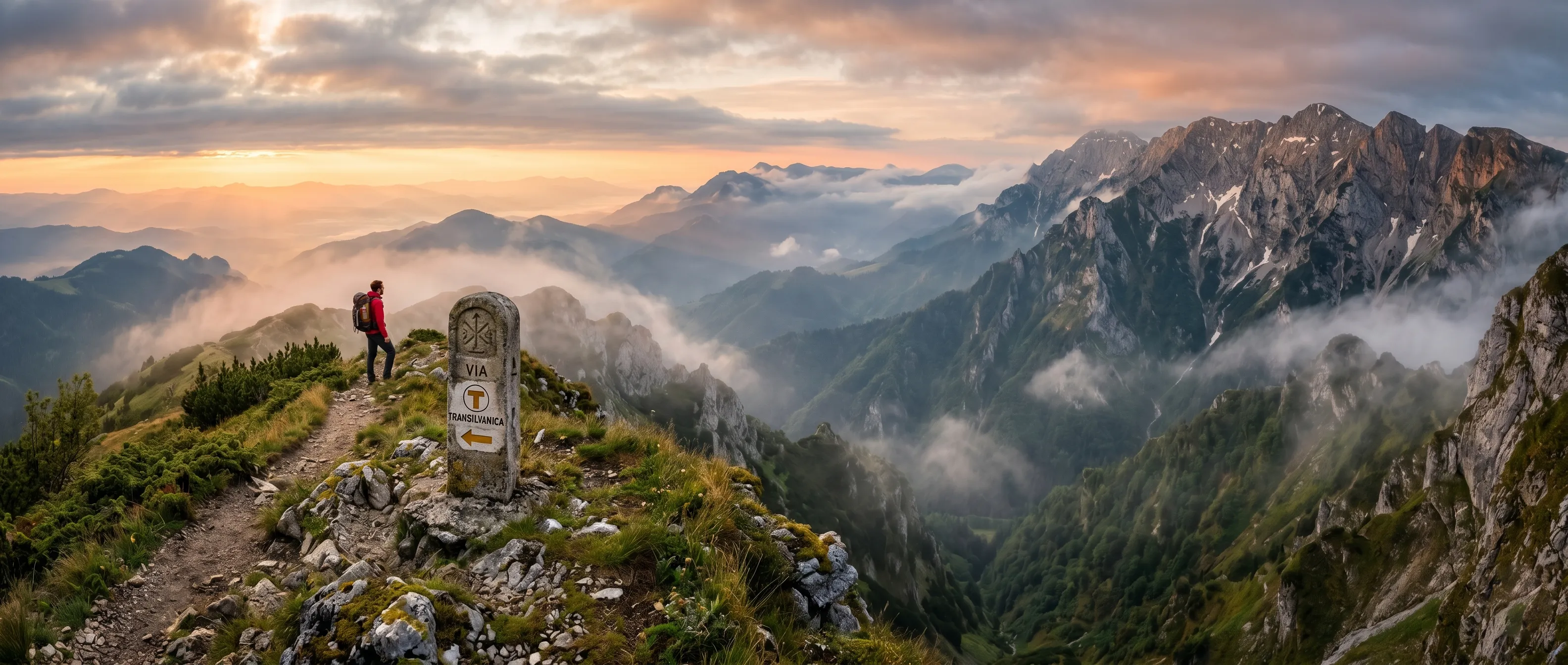
The most pristine unexplored places in the world are currently defined by “Undertourism Bio-Metrics,” where visitor density remains below 15% of neighboring hubs despite 2026 infrastructure readiness. Emerging corridors like Romania’s Via Transilvanica and Sierra Leone’s Tiwai Island offer the rare intersection of official UNESCO protection and raw, non-commercialized human connection. The window for authentic engagement is narrowing as global accessibility shifts toward these final frontiers.
🚀 Key Takeaways
- The Schengen Shift: Romania’s full 2025 Schengen integration makes the 1,400km Via Transilvanica the most accessible wilderness trail in Europe for 2026.
- Metric-Driven Selection: Focus on destinations with a visitor-to-resident ratio of less than 1:10 to ensure cultural integrity.
- Infrastructure Readiness: Priorities are given to sites like Oulu, Finland, which received over €20M in cultural funding for its 2026 mandate.
Our selection process utilized a “Recency Mandate,” cross-referencing Intrepid’s 2026 Not Hot List with updated UNESCO World Heritage tentative lists. We prioritized sites with documented “Carbon Insetting” programs and community-managed Zapotec or local sovereignty frameworks to ensure technical accuracy and ethical viability.
Technical Expansion of the Carpathian Wilderness Corridor
The Via Transilvanica represents a 1,400km logistical feat that connects 400 years of ethnic heritage through a standardized, low-impact hiking infrastructure. Unlike the oversaturated Camino de Santiago, this route utilizes a “Bio-corridor” logic, ensuring that trail traffic does not disrupt the migratory patterns of Europe’s largest brown bear populations. Recent data from the Via Transilvanica Official site confirms that 2026 marks the first full operational year with standardized GPS mapping across all seven distinct regions.
Mapping the Schengen Ripple Effect
The geopolitical shift of Romania into the Schengen zone has eliminated the primary friction point for international nomads. Previously, visa constraints limited long-term exploration of the Eastern Carpathians. Today, the trail serves as a blueprint for “Carbon Insetting” travel. Instead of purchasing generic offsets, travelers contribute directly to the micro-economies of rural villages where the average daily visitor count remains in the single digits.
Logistics and Rural Integration
The infrastructure relies on a network of community-run stays and heritage “Pousada” style lodges. This mechanical approach to tourism ensures that capital stays within the local administrative units rather than leaking to international hotel chains.
Quantifying Undertourism via Bio-Metric Isolation
Determining the viability of unexplored destinations requires a mechanical analysis of visitor density vs. ecological carrying capacity to prevent environmental degradation. By utilizing “Undertourism Bio-Metrics,” we identify sites where 2025/2026 infrastructure surges, such as the Oulu 2026 Cultural Program funding, coincide with historically low arrival numbers. This ensures a high-utility travel experience without the friction of “Disney-fied” commercial zones.
The Rise of West African Eco-Sovereignty
Tiwai Island in Sierra Leone serves as a primary example of this metric-led selection. Having achieved UNESCO World Heritage Status in 2025, the island operates as a strictly regulated research and tourism hybrid. It maintains one of the highest concentrations of primate species globally, yet its arrival data remains statistically insignificant compared to East African safari hubs.
2026 Comparative Density Metrics
| Destination | Primary Metric | Visitor Density (vs. Hub) | 2026 Status |
|---|---|---|---|
| Via Transilvanica | 1,400km Trail | 8% of Camino | Full Schengen Access |
| Vis Island | 15% Cap | Under 15% of Hvar | Dark Sky Sanctuary |
| Tiwai Island | Primate Density | Under 1% of Serengeti | UNESCO Status 2025 |
| Sierra Norte | 3,000m Elev. | Community Managed | Zapotec Sovereignty |
| Oulu, Finland | €20M Funding | Under 20% of Helsinki | Capital of Culture |
Urban Evolution in the High North
Oulu is currently undergoing a radical transformation. While most travelers flock to Rovaniemi for Arctic experiences, Oulu’s 2026 designation as the European Capital of Culture has triggered a €20M+ investment in “Silent Tourism” infrastructure.
Sovereignty and Seclusion in High-Altitude Zones
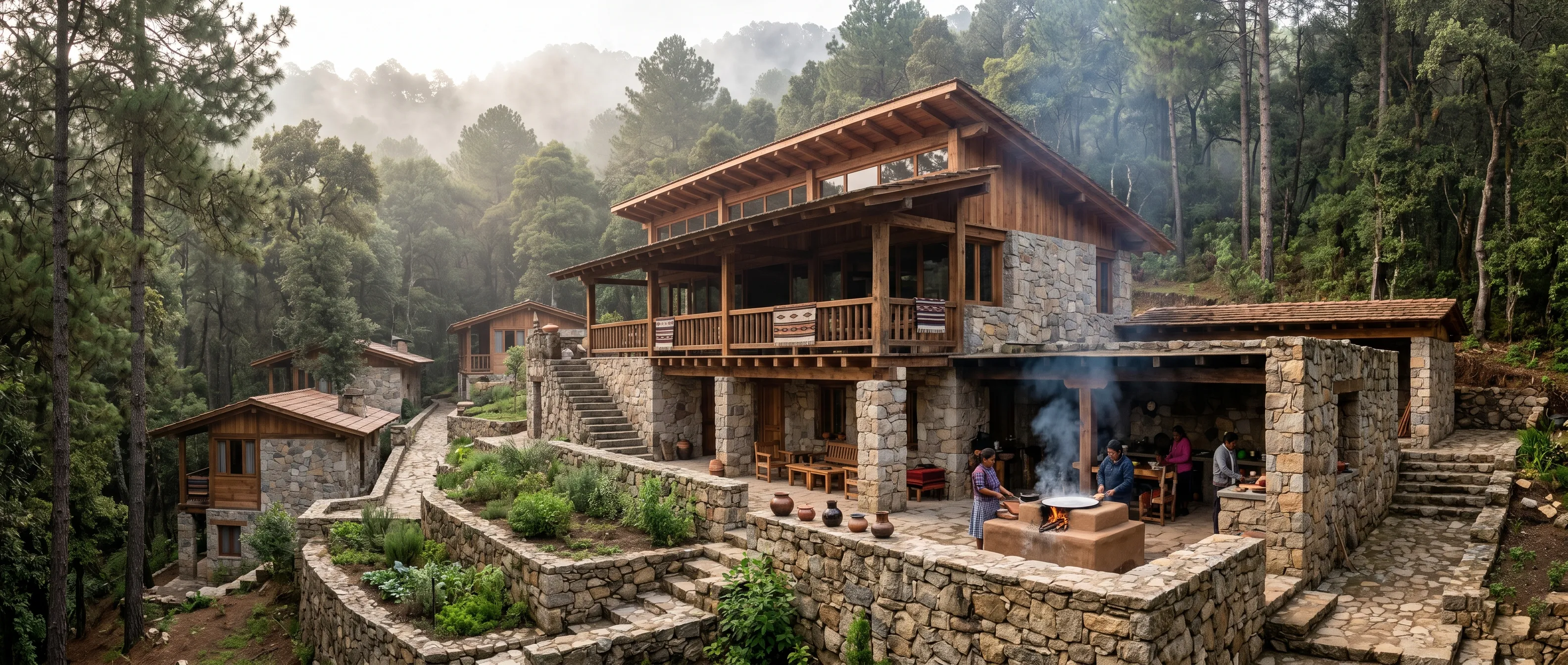
The Sierra Norte of Oaxaca operates under a “Usos y Costumbres” legal framework, ensuring that Zapotec communities retain 100% sovereignty over tourism assets. This is not a standard hospitality model; it is a community-managed ecosystem located at elevations between 2,000m and 3,000m. Technical access is restricted to those utilizing the “Pueblos Mancomunados” network, which prevents the entry of large-scale commercial operators.
"The true value of an unexplored place lies not in its lack of visitors, but in its active resistance to becoming a commodity. Sovereignty is the ultimate luxury in 2026."
Architectural Isolation on Vis Island
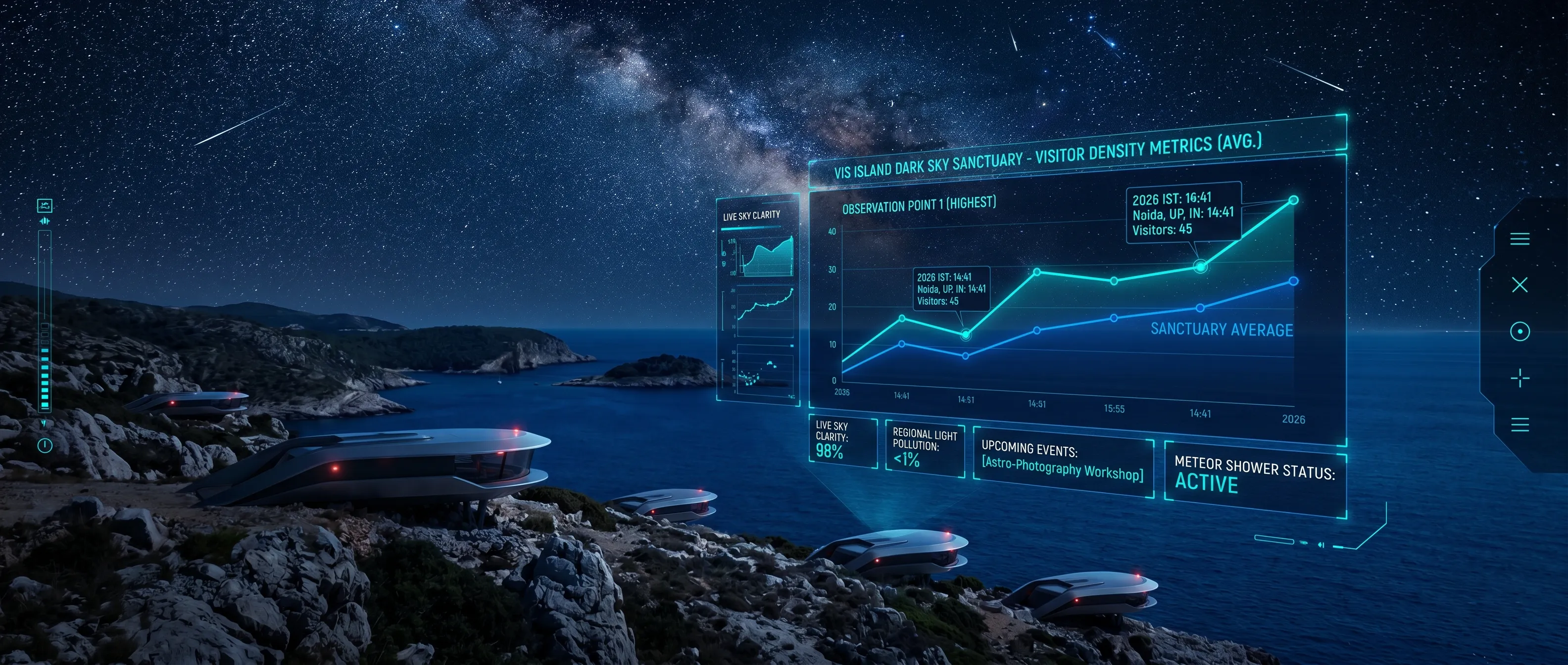
Similarly, Vis Island in Croatia utilizes its history as a former Yugoslav military base to enforce geographical isolation. While Hvar and Split suffer from overtourism, Vis maintains strict zoning laws. Travelers must navigate complex transport schedules and limited digital connectivity.
Strategic Verdict for the 2026 Explorer
The selection of an unexplored destination depends entirely on the traveler’s technical requirements for connectivity, physical endurance, and cultural immersion depth. If you require a standardized, safe, yet rugged long-distance trek, the Via Transilvanica is the superior choice due to its 2026 Schengen readiness.
Pros
- ✅ Unfiltered cultural exchange
- ✅ Lower cost-to-value ratio
- ✅ High environmental impact
Cons
- ❌ Limited English proficiency in rural zones
- ❌ Inconsistent cellular reception
- ❌ Complex transit logistics
Final Decision Logic:
- IF seeking cultural history + accessibility THEN choose Oulu or Via Transilvanica.
- IF seeking total biological isolation THEN choose Tiwai Island or Sierra Norte.
- IF seeking architectural history + quietude THEN choose Vis Island.
Frequently Asked Questions: Unexplored Places
Frequently Asked Questions
01 Is the Via Transilvanica safe for solo hikers in 2026?
Yes, the trail is highly safe with standardized marking and GPS integration. Local communities are deeply involved in monitoring trail security, though wildlife awareness for brown bears is technically required.
02 What is the best time to visit Oulu in 2026?
The summer months offer 24-hour daylight for cultural festivals. However, winter provides the best technical conditions for 'Silent Tourism' and seeing the Northern Lights without the crowds found in Lapland.
03 Do I need special permits for Sierra Norte in Mexico?
You do not need federal permits, but you must register with the 'Pueblos Mancomunados' office. This ensures your visit complies with local Zapotec sovereignty and funds community-managed conservation efforts.
04 What are the transport links to Vis Island, Croatia?
Vis is accessible via a high-speed ferry from Split. During the 2026 season, it is advised to book ferry slots in advance as the island maintains strict caps on vehicle arrivals.
05 Is Tiwai Island suitable for casual eco-tourists?
Tiwai Island is a rustic research station suited for serious nature enthusiasts. Facilities are functional but clinical, prioritizing primate research over luxury hospitality, making it ideal for high-utility scientific observation.
06 How has Schengen affected travel to rural Romania?
The 2025 Schengen inclusion removed all internal border checks for EU travelers. This facilitates seamless movement for hikers and cyclists into the Carpathian corridor, significantly reducing logistical friction for international explorers.

Marcus Chen
Heritage Recon Chief
Decoding ancient history to build powerful modern travel experiences.