

Visa Interview Tips: Secure Your Approval Confidently
Ultimate Visa Interview Tips: Confidently Secure Your Approval
Securing visa approval hinges on demonstrating consistency between your application and interview responses, coupled with projecting genuine intent. The Consular Officer often pre-screens your DS-160 form, making the brief interview a critical validation phase.
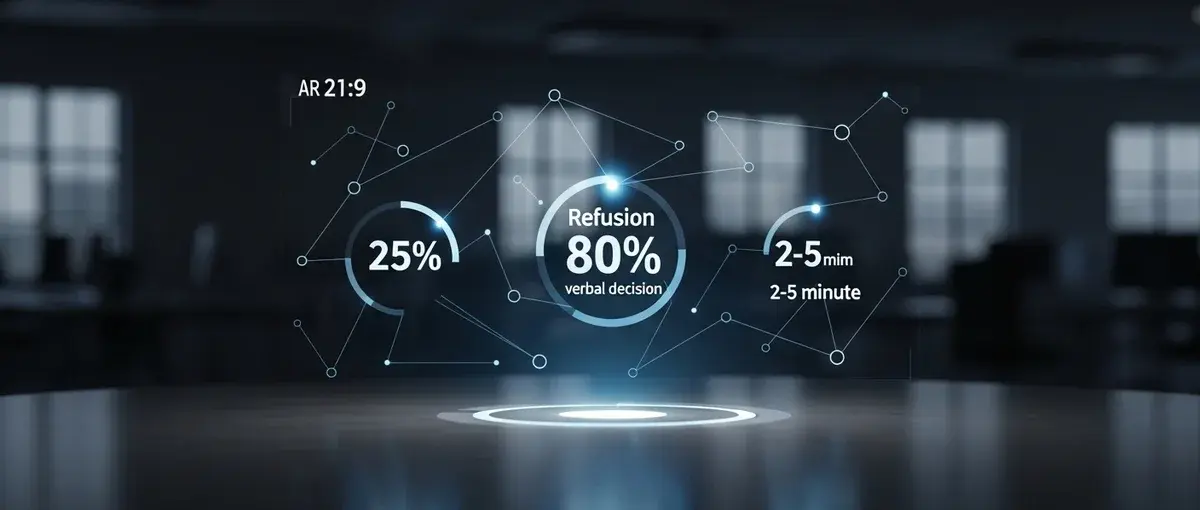
The visa interview process is a critical juncture, often lasting only 2-5 minutes for US visa interviews. During this concise interaction, the Consular Officer evaluates an applicant’s eligibility and intent, frequently having already reviewed the submitted DS-160 form.
This initial review means the interview primarily serves to confirm or challenge pre-existing impressions, rather than starting from a neutral baseline.
It is crucial to understand that approximately 80% of the decision is based on verbal answers, not solely on presented documents. Therefore, clear, concise, and consistent communication is paramount.
Applicants must articulate their purpose of travel and demonstrate strong home-country ties effectively to mitigate the risk of refusal; approximately 25% of visa interview candidates are refused, highlighting the competitive nature of the process.
For guidance on navigating these interviews, resources like SwiftPass Immigration’s visa interview guide offer insights. Further official information can be found on the U.S. Department of State’s travel website.
Key Takeaways
- The visa interview is a brief, confirmatory process, often pre-influenced by your DS-160 form.
- Verbal consistency and clarity are critical, accounting for 80% of the decision-making weight.
- Thorough preparation significantly reduces the risk of refusal, which affects approximately 25% of candidates.
Our evaluation synthesizes data from official consular reports, applicant feedback analysis, and immigration counsel. We prioritize information directly from sources like VisaClick’s interview resources and USVisaInterview.com, focusing on procedural accuracy and strategic preparation methodologies.
Understanding the Visa Officer’s Perspective: What They Really Look For
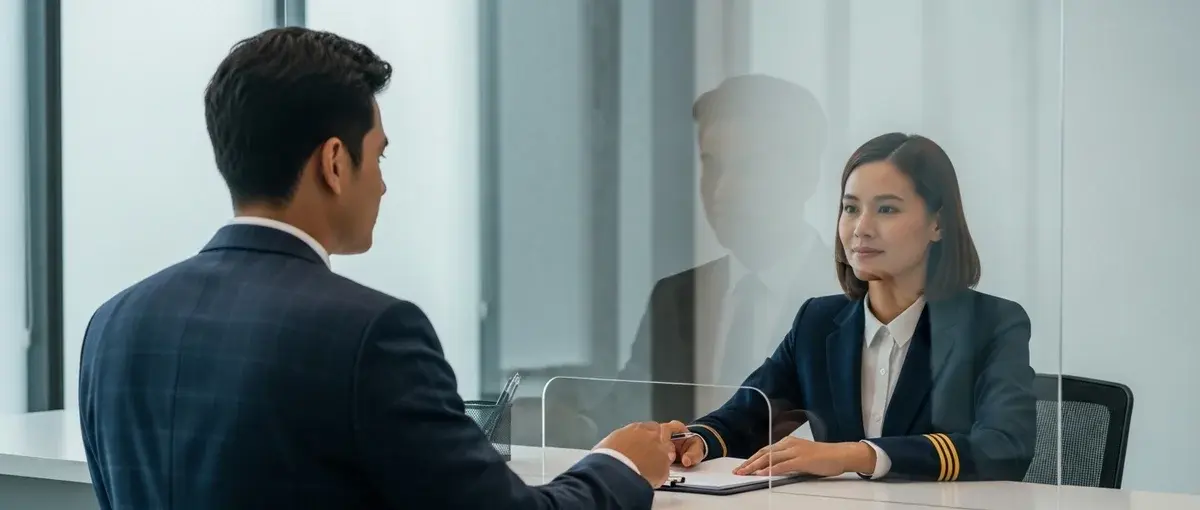
The Consular Officer’s assessment often commences prior to the interview, leveraging the submitted DS-160 form and an applicant’s travel history. This pre-interview review establishes a baseline impression that the brief 2-5 minute interview primarily serves to confirm or challenge.
The Pre-Interview Assessment: Beyond Your DS-160
Consular Officers review the DS-160 form for consistency and potential discrepancies before an applicant approaches the window. This pre-screening process influences the interview trajectory, as approximately 25% of visa interview candidates are refused.
The interview itself, though typically lasting only 2-5 minutes, is critical for verifying information and assessing applicant credibility. Notably, 80% of the decision is often based on verbal answers, not solely on presented documents.
Dispelling the ‘Immigrant Intent’ Presumption
A core tenet of U.S. immigration law, specifically Section 214(b), presumes all non-immigrant visa applicants intend to immigrate. Applicants must demonstrate strong home-country ties to overcome this statutory presumption.
The Consular Officer seeks evidence that the applicant will return to their country of origin after their authorized stay, making home-country ties a fundamental requirement for non-immigrant visa approval.
"The interview is a dynamic data validation process. Officers are cross-referencing your DS-160 data with your verbal responses and non-verbal cues to identify inconsistencies that may indicate a Section 214(b) inadmissibility."
Key Indicators of a Strong Application
An application exhibits clear, consistent data across all submitted forms and verbal responses, minimizing the need for administrative processing. Discrepancies can trigger further scrutiny and potential refusal, as covered by VisaClick’s interview guidance.
Demonstrating strong home-country ties, such as stable employment, family dependents, or property ownership, directly counters the immigrant intent presumption and is critical for a positive outcome, according to SwiftPass Immigration’s visa interview guide.
Mastering Your Interview Performance: Beyond Just Answers
Calming Nerves and Projecting Confidence
The interview phase is an important phase where a Consular Officer evaluates an applicant’s credibility and intent. While the officer often forms an initial opinion based on the DS-160 form and travel history, your demeanor can strongly influence the final assessment.
Projecting genuine confidence and composure, even under pressure, is important to reinforcing your stated purpose of travel. This psychological projection can mitigate concerns about potential misrepresentation or a lack of home-country ties, as detailed by resources like SwiftPass Immigration.
The Art of Concise and Consistent Responses
US visa interviews typically last 2-5 minutes, requiring efficient communication. Applicants must deliver concise, factual answers that directly address the Consular Officer’s inquiries without extraneous detail.
It is important that all verbal responses remain consistent with the information provided in the DS-160 form and any supporting documentation. Data indicates that 80% of the decision is based on verbal answers, not documents, highlighting the importance of clear, direct articulation, as advised by VisaClick.
Non-Verbal Cues: Body Language and Demeanor
Beyond spoken words, non-verbal communication plays an important role in the interview dynamic. Maintaining appropriate eye contact, exhibiting open body language, and presenting a professional appearance can convey honesty and respect.
Conversely, evasive gestures or an overly anxious posture might raise concerns for the Consular Officer, potentially leading to further scrutiny or even a refusal under Section 214(b). Official guidance on interview conduct often emphasizes the importance of a straightforward and honest presentation, which extends to physical comportment, as outlined by U.S. Department of State resources.
Common Pitfalls and How to Avoid Them: A Strategic Comparison
In many cases, the Consular Officer has already initiated an assessment of an applicant’s profile prior to the interview, often based on the DS-160 form and travel history. The subsequent US visa interviews typically last 2-5 minutes, serving primarily to confirm or challenge this preliminary evaluation, rather than to commence a new one from a neutral baseline.
Inconsistent Information vs. Coherent Narrative
A critical pitfall involves discrepancies between the data presented in the DS-160 form and verbal responses during the interview. Such inconsistencies can activate Section 214(b) presumptions of immigrant intent, leading to a refusal.
The Consular Officer relies on a unified data stream to validate an applicant’s stated purpose.
To mitigate this, applicants must ensure absolute data synchronization across all submitted documentation and verbal statements. A coherent narrative, where every detail aligns, reinforces credibility and minimizes the potential for misinterpretation.
This systematic alignment is crucial, as 80% of the decision is based on verbal answers, not documents alone, according to SwiftPass Immigration.
Lack of Preparation vs. Strategic Practice
Unrehearsed responses, characterized by hesitation or excessive detail, represent a significant operational vulnerability. Given that US visa interviews typically last 2-5 minutes, inefficient communication can prevent the applicant from conveying essential information within the allocated timeframe.
This can lead to an unfavorable assessment or trigger Administrative processing.
Strategic practice involves rehearsing concise, direct answers, ideally limited to 2-3 sentences per question. This approach ensures clarity and efficiency, allowing the applicant to address the Consular Officer’s inquiries effectively without sounding robotic or memorized.
Resources like VisaClick offer structured question frameworks for this purpose.
Weak Home-Country Ties vs. Compelling Evidence
The failure to demonstrate robust Home-country ties is a primary driver of visa refusals, as Consular Officers operate under the presumption that all non-immigrant visa applicants intend to immigrate. Approximately 25% of visa interview candidates are refused, with B-visa refusal rates range from 0% to 77% depending on nationality, often due to insufficient evidence of intent to return.
Applicants must present compelling, documented evidence of economic, familial, and social anchors in their home country. This includes proof of stable employment, property ownership, family dependents, or ongoing educational commitments.
Such evidence directly counters the statutory presumption of immigrant intent, as detailed by US Visa Interview.
| Pitfall Category | Observed Manifestation | Strategic Countermeasure | Operational Impact |
|---|---|---|---|
| Information Inconsistency | Discrepancies between DS-160 form and verbal data | Rigorous data synchronization and narrative alignment | Mitigation of Section 214(b) refusal risk |
| Preparation Deficit | Hesitation, verbose answers, lack of directness | Structured practice of concise, factual responses | Enhancement of communication efficiency |
| Insufficient Home Ties | Absence of documented economic/social anchors | Presentation of compelling Home-country ties evidence | Increased probability of approval |
Final Verdict: Your Path to Visa Approval
Securing visa approval necessitates a strategic approach, where every interaction and document submission contributes to the Consular Officer’s assessment. The outcome often hinges on demonstrating clear intent and robust eligibility.
Pros
- ✅ Thorough preparation and consistent articulation of intent significantly enhance approval prospects, addressing the Consular Officer's initial assessment.
- ✅ Demonstrating robust home-country ties directly counters the Section 214(b) presumption of immigrant intent, a critical factor in non-immigrant visa adjudication.
- ✅ Concise, truthful responses during the typically 2-5 minute US visa interviews allow for efficient information transfer and positive impression formation.
Cons
- ❌ Inconsistencies between your DS-160 form and verbal answers can lead to immediate refusal, as approximately 80% of the decision relies on verbal communication.
- ❌ Failure to adequately document financial stability or purpose of travel, despite verbal assurances, often results in administrative processing or outright denial.
- ❌ Lack of confidence or evasive communication can be interpreted negatively, contributing to the approximately 25% refusal rate for visa interview candidates.
Modular Final Verdict
- If you meticulously prepare and ensure consistency with your DS-160 form, then you establish a credible foundation for your application.
- If you clearly articulate compelling home-country ties, then you effectively address the Section 214(b) presumption of immigrant intent.
- If you maintain concise and truthful communication during the typically 2-5 minute interview, then you optimize your interaction with the Consular Officer.
- If you proactively address potential concerns with supporting documentation, then you strengthen your overall case for visa approval.
Frequently Asked Questions
01 What are the most common reasons for visa interview refusal?
Common reasons for visa interview refusal include inconsistent answers, incomplete or inaccurate documentation, lack of preparation, suspicious body language, and failing to prove strong ties to your home country.
02 How long does a typical visa interview last?
Most US visa interviews are very brief, typically lasting only 2-5 minutes, though the decision-making process often begins before you even speak to the officer.
03 What documents should I bring to my visa interview?
You must bring your valid passport, appointment confirmation, DS-160 confirmation page, visa fee receipt, and any supporting documents proving your finances, purpose of travel, and strong home-country ties.
04 Should I memorize my answers for the visa interview?
No, memorizing answers can make you sound robotic and raise red flags. Instead, understand your story, practice speaking clearly and concisely (2-3 sentences), and ensure consistency with your application.
05 How important are 'ties to home country' in a visa interview?
Proving strong ties to your home country is crucial, as consular officers presume all non-immigrant visa applicants intend to immigrate until proven otherwise. You must demonstrate compelling reasons to return, such as employment, family, or property.
06 Can I choose which U.S. embassy or consulate to apply at?
Yes, applicants can apply at any U.S. embassy or consulate where they are legally present, and some choose locations with shorter appointment availability. However, wait times vary significantly by location.

Sarah Jenkins
Journey Logistics Boss
Engineering high speed travel routes for maximum global efficiency.