
7 Hidden Gems in Southeast Asia You've Never Heard Of
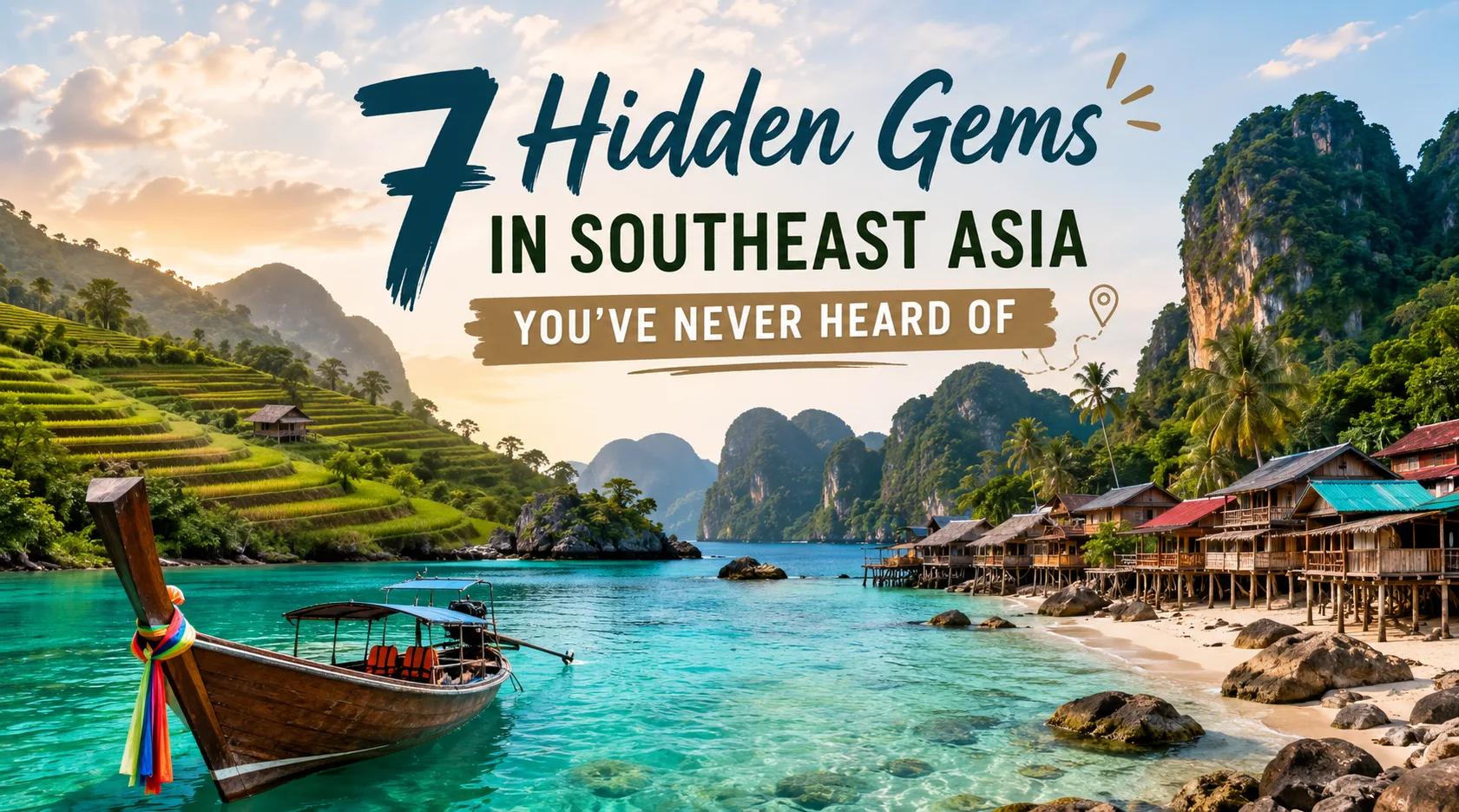
Have you ever wondered what Southeast Asia feels like once the crowds disappear? Most travelers picture packed beaches, famous temples, and bustling city streets when they think of Southeast Asia.
Yet the region has another side that quietly waits beyond the usual itineraries. Small villages, untouched islands, misty valleys, and forgotten heritage towns offer experiences that feel genuine and deeply personal.
If you’re searching for hidden gems in Southeast Asia, this guide brings together places that remain surprisingly overlooked yet offer unforgettable scenery, welcoming communities, and stories you’ll remember long after you return home.
**Top 7 Hidden Gems in Southeast Asia **
Southeast Asia is full of famous attractions, but some of its most rewarding experiences lie far from the well-trodden tourist trail. From peaceful mountain villages to secluded islands and charming heritage towns, these lesser-known destinations offer a refreshing escape from the crowds. Read this article till the end to find all seven hidden gems, along with what makes each place special and why they deserve a spot on your 2026 travel bucket list.
1. Jatiluwih Rice Terraces, Indonesia
Bali is often associated with crowded beaches and busy cafés, but Jatiluwih presents a completely different rhythm. Endless emerald rice terraces stretch across gentle hills where farmers still follow centuries-old irrigation traditions. The peaceful atmosphere encourages slow walks, meaningful conversations with locals, and moments that rarely happen in more commercial parts of the island.
Instead of rushing through attractions, spend time cycling along village roads or enjoying traditional Balinese meals overlooking the fields. Early mornings reveal soft mist rolling across the landscape, while late afternoons bring golden sunlight that transforms every terrace into a postcard-worthy scene. It is one of those places where slowing down becomes the highlight of the journey.
2. Koh Rong Sanloem, Cambodia
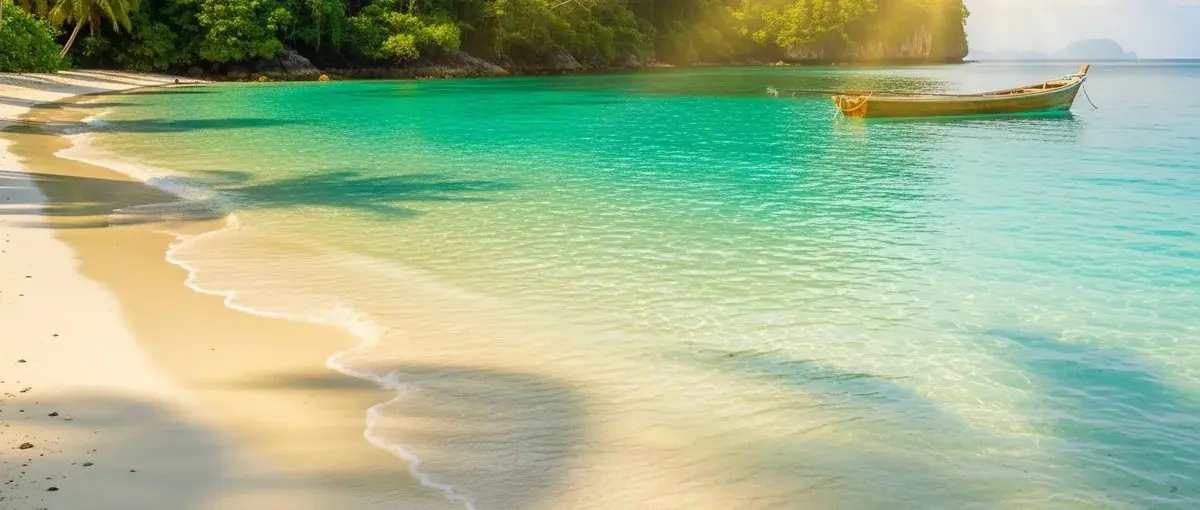
Many visitors head straight to Cambodia’s famous temples, leaving its quieter islands surprisingly empty. Koh Rong Sanloem offers crystal-clear waters, powdery beaches, and evenings filled with little more than the sound of gentle waves. Travelers searching for offbeat Southeast Asia experiences often find this island refreshingly simple and wonderfully peaceful.
Electricity remains limited in certain areas, encouraging visitors to disconnect from screens and reconnect with nature. Kayaking through calm bays, snorkeling among colorful marine life, or simply relaxing in a hammock creates memories that feel increasingly rare in today’s fast-moving world. The slower pace makes every moment feel intentionally lived.
3. Ban Rak Thai, Thailand
Hidden near Thailand’s northern border, Ban Rak Thai blends Thai hospitality with strong Chinese heritage. The village sits beside a peaceful lake surrounded by rolling hills and tea plantations. Small cafés serve freshly brewed oolong tea while mist drifts across the water during cool mornings, creating an atmosphere unlike the country’s better-known destinations.
Visitors often spend hours walking narrow village paths, chatting with tea growers, or renting small boats on the lake. Local guesthouses provide cozy stays with mountain views that invite complete relaxation. The village feels untouched by mass tourism, making every interaction seem naturally warm rather than commercially driven.
4. Sibaltan, Philippines
Before reaching the famous islands around El Nido, many travelers pass by Sibaltan without realizing what they’re missing. This quiet coastal community rewards those who stay with peaceful beaches, traditional fishing culture, and spectacular sunrise views over calm waters. Among the many underrated places asia has to offer, Sibaltan quietly earns a special place.
Life here revolves around the sea rather than tourism. Fishermen return with fresh catches each morning while children play along nearly empty beaches. Local boat tours visit untouched islands where white sand, coral reefs, and turquoise waters remain wonderfully uncrowded, offering a refreshing contrast to more popular Philippine destinations.
5. Kampot, Cambodia
Kampot has gradually gained attention, yet it still feels remarkably authentic compared to neighboring tourist hotspots. French colonial architecture, riverside cafés, and nearby pepper farms give the town a relaxed character that’s easy to appreciate. Days pass slowly here, allowing travelers to enjoy meaningful experiences instead of rushing between attractions.
A sunset river cruise reveals peaceful countryside, while nearby salt fields and limestone caves provide memorable day trips. Food lovers should not miss Kampot pepper, celebrated worldwide for its exceptional flavor. Conversations with local farmers often become just as rewarding as the scenery itself, adding a personal touch to every visit.
6. Pulau Weh, Indonesia
Located off the northern coast of Sumatra, Pulau Weh remains one of Indonesia’s best-kept coastal secrets. The island combines volcanic landscapes, dense forests, and vibrant coral reefs without attracting overwhelming visitor numbers. For travelers searching for unexplored destinations asia, Pulau Weh delivers an experience that feels genuinely refreshing.
Diving enthusiasts encounter sea turtles, reef sharks, and colorful fish in exceptionally clear waters, while inland trails lead toward scenic viewpoints overlooking the Indian Ocean. Evenings remain wonderfully quiet, often ending with fresh seafood dinners beside the beach as spectacular sunsets paint the sky with shades of orange and pink.
7. Phongsali, Laos
Northern Laos hides one of Southeast Asia’s least-visited provinces, and Phongsali perfectly represents its untouched charm. Mountain villages, ancient tea forests, and winding roads create unforgettable journeys through landscapes that remain largely absent from mainstream travel guides. Reaching the region requires patience, but the reward easily justifies the effort.
Traditional communities continue preserving customs passed down through generations, allowing respectful visitors to experience authentic local life. Morning markets showcase handmade textiles, mountain produce, and regional delicacies rarely found elsewhere. Travelers seeking meaningful cultural connections often leave feeling that Phongsali offered something far deeper than a typical vacation.
Why These Destinations Deserve Your Attention?
Choosing quieter destinations does more than avoid crowds. It supports local families, encourages sustainable tourism, and creates opportunities for genuine conversations that larger tourist centers sometimes lack. These locations remind travelers that remarkable experiences often happen in places with no long queues, no famous landmarks, and no constant social media attention. If you’re planning future adventures, keep these secret spots in Southeast Asia in 2026 in mind. Visiting lesser-known destinations doesn’t mean sacrificing comfort or beauty. Instead, it often leads to richer cultural encounters, peaceful surroundings, and memories shaped by authenticity rather than popularity.
FAQs
Frequently Asked Questions
01 Q. What is the best time to visit these hidden destinations?
A. Most locations are enjoyable between November and April because the weather is generally drier. However, conditions vary across Southeast Asia, so checking local seasonal forecasts before booking your trip is always recommended.
02 Q. Are these places suitable for first-time visitors to Southeast Asia?
A. Yes. Many of these destinations have welcoming communities, comfortable accommodations, and reliable transport connections. Planning a flexible itinerary and allowing extra travel time will help make the experience even smoother.
03 Q. Why are these destinations still relatively unknown?
A. Most receive less international promotion than famous tourist hotspots. Their remote locations, limited infrastructure, or focus on community-based tourism have helped preserve their authentic atmosphere while keeping visitor numbers comfortably low.
Marcus Chen
Heritage Recon Chief
Decoding ancient history to build powerful modern travel experiences.