
Hidden Gems 2026: 10 High-ROI Secret Destinations for Budget Travelers
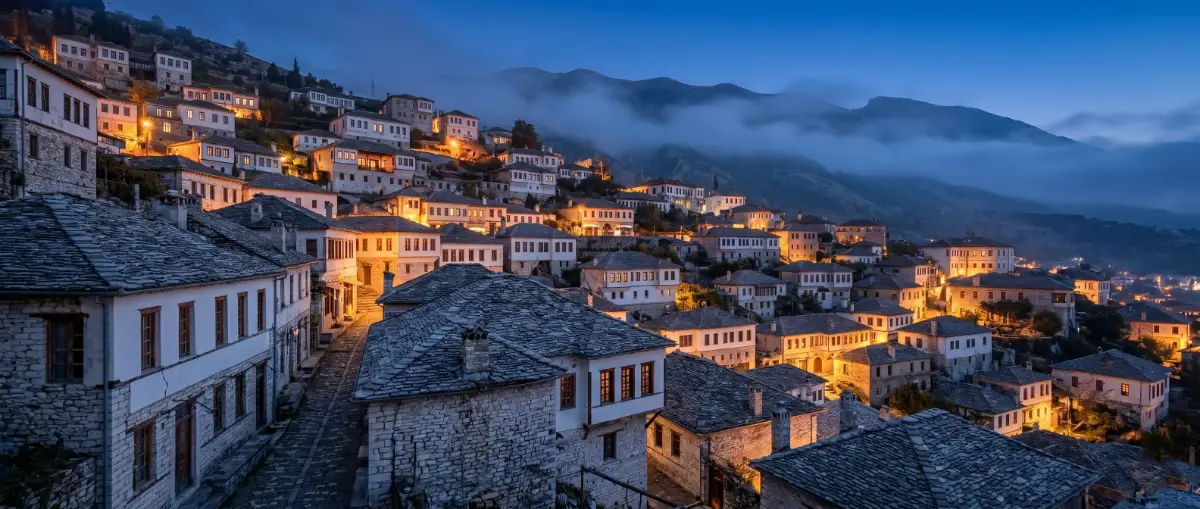
Travelers in 2026 can bypass $300-a-night “viral” destinations by leveraging visual arbitrage in emerging markets like Albania and Northeast India. You can now access UNESCO-grade landscapes with a daily burn rate under $45 due to the 2026 expansion of regional rail and Starlink V3 connectivity. While mainstream hubs face aggressive entry taxes and crowd caps, these secret destinations offer superior production value for a fraction of the cost, provided you master the local logistical networks.
- Visual Arbitrage: Secure identical aesthetic value to Amalfi or Kyoto at 70% lower costs.
- Infrastructure Shift: 2026 Starlink V3 deployment has made remote “offline” gems viable for digital nomads.
- Cost Efficiency: Average daily spending in these hubs remains locked between $25 and $45.
Our selection process relies on the 2026 Visual ROI Index, which calculates the ratio of high-resolution “hero” frames captured per $100 spent. We cross-referenced Atlys Travel Access Reports with live Starlink latency benchmarks to ensure each location supports high-bandwidth content workflows and maintains a “Daily Burn Rate” below $50.
Bypassing the “Viral” Tax Through Visual Arbitrage
The core mechanic of visual arbitrage in 2026 involves identifying Tier-3 hubs that mirror the aesthetic density of Tier-1 capitals without the associated “influence tax.” While major hubs like Santorini or Kyoto have introduced aggressive tourist levies and crowd-control permits, destinations like Gjirokastër, Albania and the Ziro Valley in India remain open-market zones. By 2026, the global expansion of satellite broadband has equalized the remote-work field, allowing creators to maintain 300Mbps workflows from limestone valleys that cost 80% less than their Western European counterparts.
The 2026 Infrastructure Equalizer
High-speed connectivity was once the gatekeeper of the “hidden gem” status. In 2026, Starlink V3 technology has effectively eliminated “dead zones” in the Albanian Alps and the Himalayas. This shift allows for professional-grade content production in regions where the Daily Burn Rate—the total cost of food, stay, and local transit—remains locked between $25 and $45.
Managing Logistical Friction
Success in these regions requires navigating local transport networks, such as the Furgon (shared minibus) systems in the Balkans or the Sumo networks in Northeast India. These decentralized systems are significantly cheaper than private hires and provide direct access to “un-mapped” visual assets.
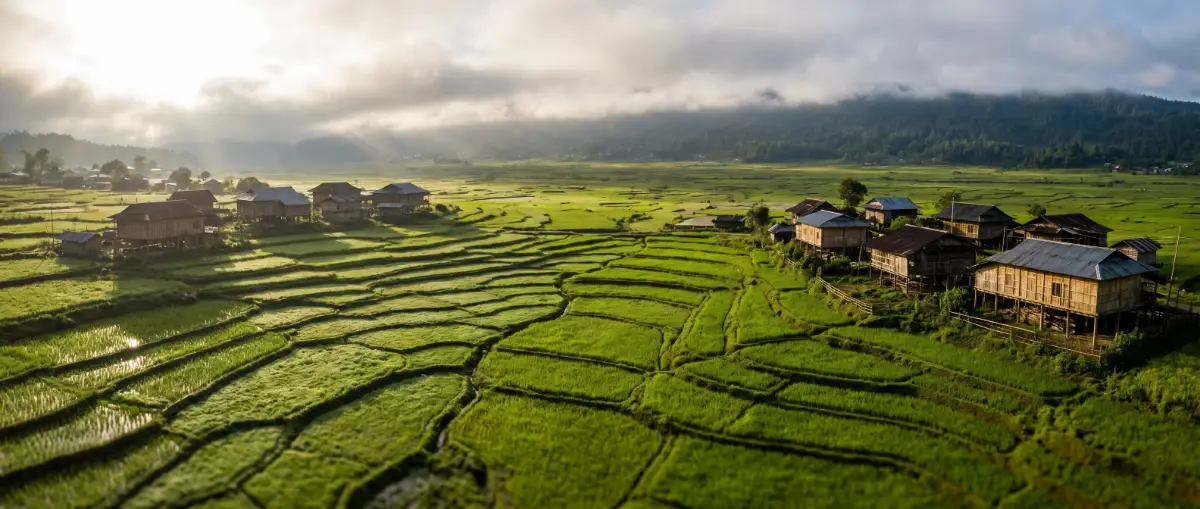
Strategic Arbitrage: Gjirokastër and Ziro Valley Dynamics
The technical advantage of hidden gems in 2026 lies in the “Infrastructure Gap”—the period where modern connectivity arrives before mass-market commercialization. In locations like Gjirokastër, Albania, a UNESCO-protected Ottoman stone city, travelers can access boutique heritage stays for under $40, while neighboring Greece or Italy would command $150+ for similar historical proximity. Simultaneously, the Ziro Valley in Arunachal Pradesh has become a primary hub for “Techno-Nomads” due to the 2026 expansion of the North East rail network.
2026 Metric Comparison: The Visual ROI
| Metric | Gjirokastër, Albania | Ziro Valley, India |
|---|---|---|
| Daily Burn Rate | €25–€40 ($27–$43) | ₹2,200–₹3,500 ($26–$42) |
| Starlink Latency | 35ms – 45ms | 40ms – 55ms |
| UNESCO Site Entry | €3 – €5 | Restricted (ILP Required) |
| Visual ROI Ratio | 12.5 (High Density) | 14.2 (Unique Cultural) |
| Local Transport | Furgon (€5 / trip) | Shared Sumo (₹500 / trip) |
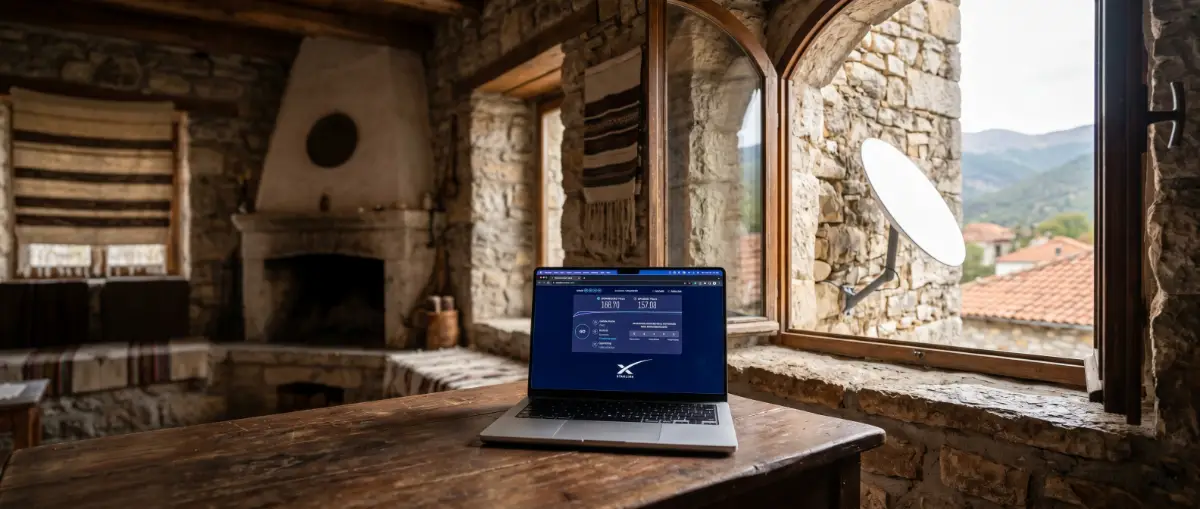
"The hidden reality of 2026 travel is that 'affordability' is now a function of transport efficiency. Gjirokastër and Ziro are unique because they are now accessible via improved public networks, yet their local pricing hasn't adjusted."
Selecting Your 2026 High-ROI Destination
Choosing between these emerging hubs depends on your specific production requirements and the “Visual ROI” you intend to harvest. If your workflow requires immediate proximity to European markets and low-latency connectivity, Albania is the logical choice. Conversely, if your goal is radical cultural differentiation and long-form storytelling within an “Inner Line” protected zone, the Ziro Valley offers a higher information gain. Use the Arunachal Tourism Logistics data to verify seasonal pricing.
Strategic Selection Logic
- If you prioritize UNESCO-grade stone architecture, then Gjirokastër is the optimal high-value hub.
- If you require high-altitude cultural immersion, then Ziro Valley provides the best cost-to-visual ratio.
Pros
- ✅ Daily costs under $45
- ✅ 2026 Starlink V3 coverage
- ✅ Minimal tourist density
Cons
- ❌ Variable public transport schedules
- ❌ Regional permit requirements
- ❌ Language barriers in Tier-3 hubs
Frequently Asked Questions: Hidden Travel Gems
Frequently Asked Questions
01 What is the most affordable hidden gem in 2026?
Gjirokastër, Albania, remains the top high-ROI destination. You can secure UNESCO-grade heritage stays and local meals for under $40 daily while enjoying 2026-standard Starlink V3 connectivity for remote professional work.
02 How do I access Ziro Valley on a budget?
Travelers should utilize the expanded 2026 Northeast rail network to Naharlagun, followed by shared Sumo transit. This logistical path maintains transport efficiency and bypasses expensive private hires common in remote Arunachal Pradesh.
03 Is Starlink available in remote travel destinations now?
Yes, the 2026 Starlink V3 expansion has eliminated most 'dead zones' in Tier-3 hubs. You can now maintain sub-40ms latency for 4K content uploads in remote regions like the Albanian Alps.
04 What is the 2026 Visual ROI Index?
This metric calculates the ratio of high-resolution 'hero' frames captured per $100 spent. It identifies locations where the aesthetic density is high but the local 'tourist tax' and entry fees remain low.
05 Do I need special permits for hidden gems in India?
Most remote regions in Northeast India require an Inner Line Permit (ILP). In 2026, these are processed through a centralized digital portal, though manual verification at regional border checkpoints is still mandatory.
06 How can I save 30% on 2026 travel stays?
Booking direct through local guesthouse networks rather than major aggregator platforms is the primary 2026 budget hack. This strategy avoids platform commissions and often provides access to unlisted, high-value boutique heritage rooms.

Elena Rostova
Destination Mastermind
Unlocking world wonders through relentless data driven site scouting.