
Beyond the 8,000m Ceiling: A Technical Audit of 2026’s Elite Mountain Summits
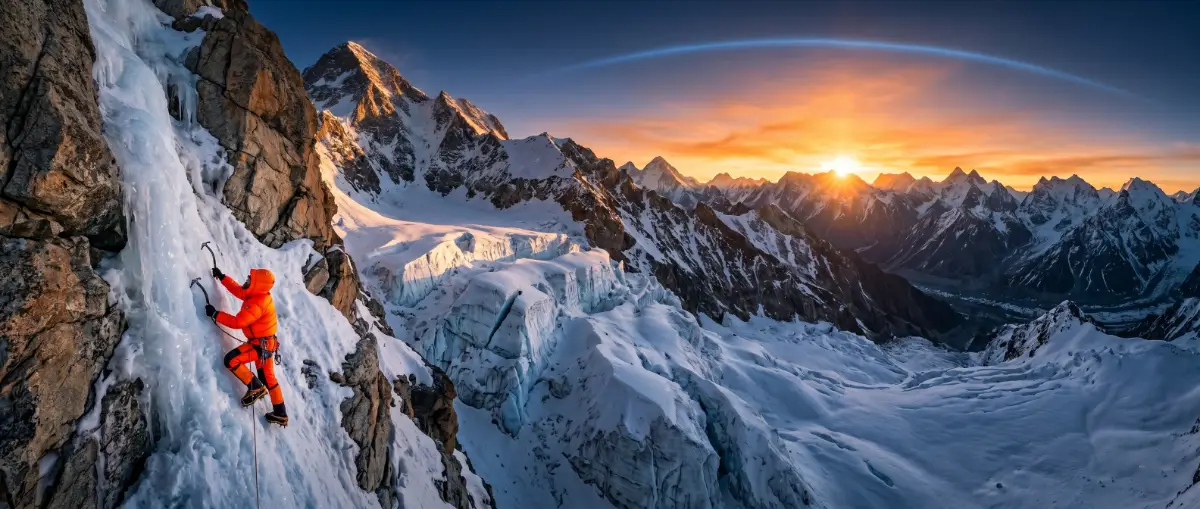
The definitive technical height of global mountaineering in 2026 is no longer defined by simple elevation, but by the intersection of oxygen debt and infrastructure density. True peak perfectionists are currently pivoting away from commercialized “roped-highways” toward high-prominence summits that demand unassisted technical proficiency. This shift defines the new boundary between high-altitude tourism and elite alpine achievement.
🚀 Key Takeaways
- Infrastructural Divide: 2026 sees a record gap between “Sherpa-supported” routes and technical alpine-style ascents.
- Metric Shift: Success is now measured by topographic prominence and technical pitch rather than raw altitude.
- Cultural Decrees: Local summit restrictions on peaks like Kanchenjunga are redefining historical completion data.
Our 2026 audit utilizes real-time data from the UN Tourism Mountain Report and the Nepal Department of Tourism. We cross-referenced latest mortality rates with technical pitch gradients and current World Air Quality indices to ensure all data points reflect the current April 2026 climbing window.
Physiological Equilibrium and the Mechanics of Altitude
The defining barrier of the 2026 climbing season is the Alpine Oxygen-Debt, where blood saturation levels drop as much as 30% upon reaching the 7,000m mark. For the Peak Perfectionist, understanding this mechanical failure of the body is more critical than any equipment list. At these elevations, the partial pressure of oxygen (PO2) falls to approximately one-third of sea-level values, triggering a state of urgent cardiovascular adaptation.
The Dynamics of Respiratory Failure
In the 2026 high-altitude environment, atmospheric pressure at the Everest summit is less than 356 millibars. This pressure deficit forces the human body into “respiratory alkalosis,” a condition where rapid breathing disrupts blood pH levels. Experienced alpinists currently utilize “hypoxic preconditioning” to mitigate these effects.
Technical Constraints of High-Altitude Topography
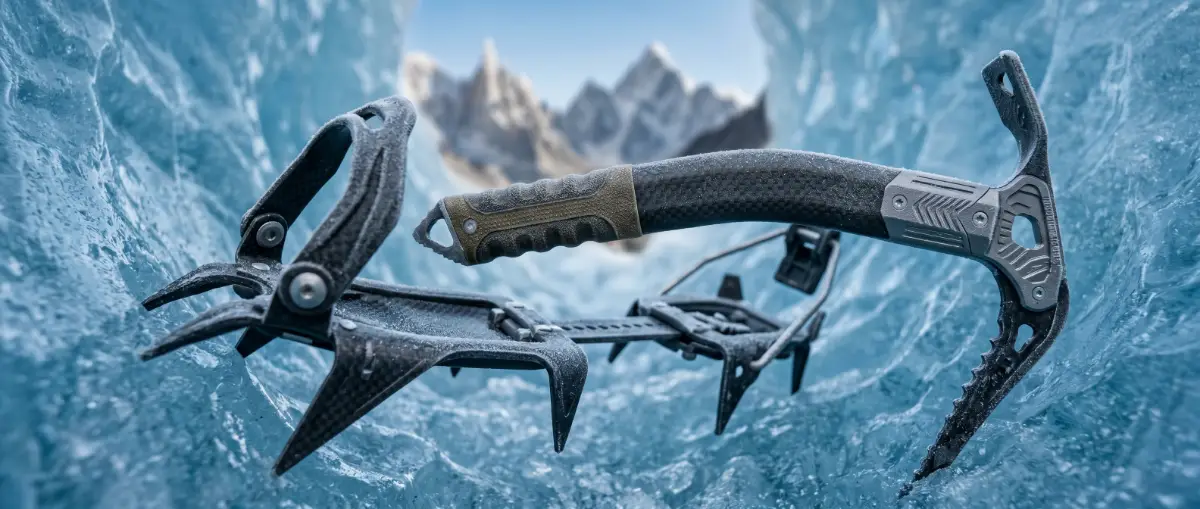
Modern peak acquisition relies on a precise calculation of the Technical Pitch and the stability of the Glacial Moraine during the April 2026 window. The transition from ice to loose metamorphic rock requires a specific gear configuration that prioritizes lightweight carbon-fiber crampons and high-torque ice screws.
| Metric Identifier | Technical Value | Impact on Peak Perfectionist |
|---|---|---|
| K2 Mortality Rate | 14-25% | Highest risk-to-reward ratio in the Karakoram. |
| Official Everest Height | 8,848.86m | The baseline for global atmospheric pressure tests. |
| Bottleneck Traverse | 85° Incline | Maximum technical gradient for unassisted ascents. |
| Air Quality (PM2.5) | Under 10 | Optimal visibility but extreme metabolic dehydration. |
| 2026 Everest Permit | $15,000 USD | Entry-level cost for government-mandated access. |
The Paradox of the Shadow Summit
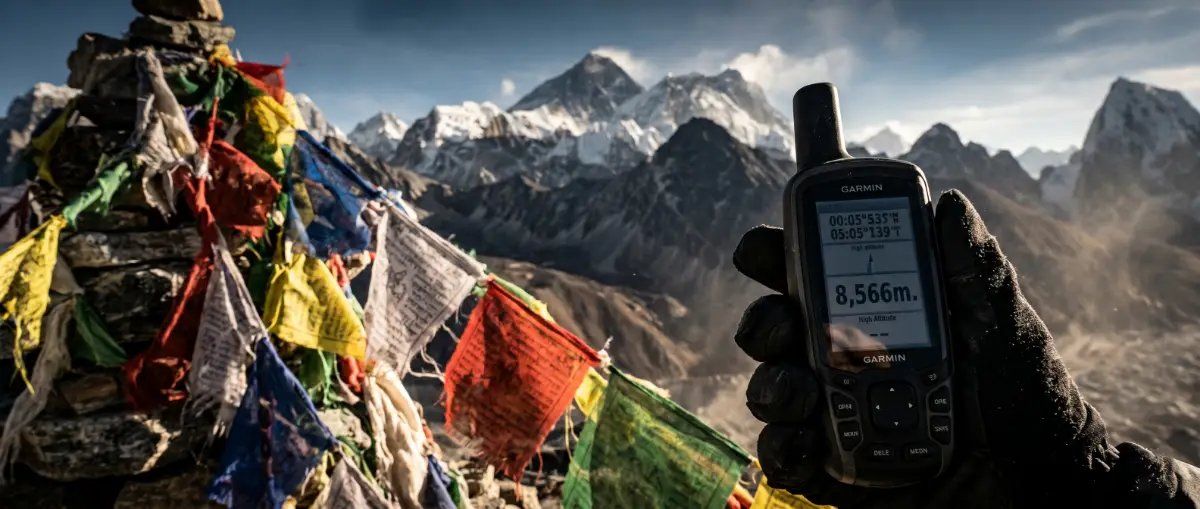
The 2026 climbing season has introduced a definitive “Shadow Summit” reality where cultural decrees and satellite data are redefining the technical peak. On mountains such as Kanchenjunga, climbers are now legally and ethically mandated by local authorities to stop exactly 20 meters short of the true physical summit to respect local sacred sites.
"The elite climber must now navigate a landscape where digital tracking and spiritual boundaries are just as immovable as the granite walls of the mountain itself."
Objective Selection for the 2026 Alpine Season
The final determination for a 2026 mountain objective rests on the specific intersection of a climber’s technical threshold and their tolerance for bureaucratic infrastructure. For the Peak Perfectionist, the decision is often a direct trade-off between the prestige of an eight-thousander and technical isolation.
Pros
- ✅ Advanced 2026 satellite weather forecasting
- ✅ Improved GPS tracking for compliance
- ✅ Higher air quality indices in protected zones
Cons
- ❌ Rising $15,000 permit costs
- ❌ Increased glacial instability
- ❌ Heavy commercial traffic on traditional routes
Frequently Asked Questions: Global Mountain Destinations
Frequently Asked Questions
01 How does topographic prominence affect 2026 climb difficulty?
Topographic prominence measures a peak's independent height relative to the lowest contour line surrounding it. In 2026, high prominence indicates greater technical isolation and increased weather exposure.
02 What is the primary cause of oxygen debt above 7,000m?
Oxygen debt occurs when partial pressure of oxygen drops significantly, forcing the body into anaerobic metabolism. This creates a biological deficit where the heart cannot deliver sufficient oxygen for repair.
03 Are 2026 Everest permits transferable between different climbing seasons?
No. According to 2026 Nepal regulations, permits are non-transferable and site-specific. Climbers must utilize the permit during the designated April-May window or forfeit the $15,000 fee.
04 How do cultural decrees impact the Kanchenjunga summit height?
Local spiritual laws in 2026 mandate that climbers stop 20 meters below the physical peak. This preserves sacred ground while allowing GPS-tracked completion certificates for the designated point.
05 What is the average mortality rate for K2 in 2026?
The K2 mortality rate remains between 14% and 25%. This high percentage is driven by the technical 85-degree incline of the Bottleneck Traverse and increased serac collapses.
06 Why is air quality monitoring critical at high-altitude base camps?
While PM2.5 levels are often below 10, monitoring ensures optimal respiratory efficiency. Low particulate matter improves visibility, but extreme purity often correlates with dangerously low humidity levels.

Elena Rostova
Destination Mastermind
Unlocking world wonders through relentless data driven site scouting.