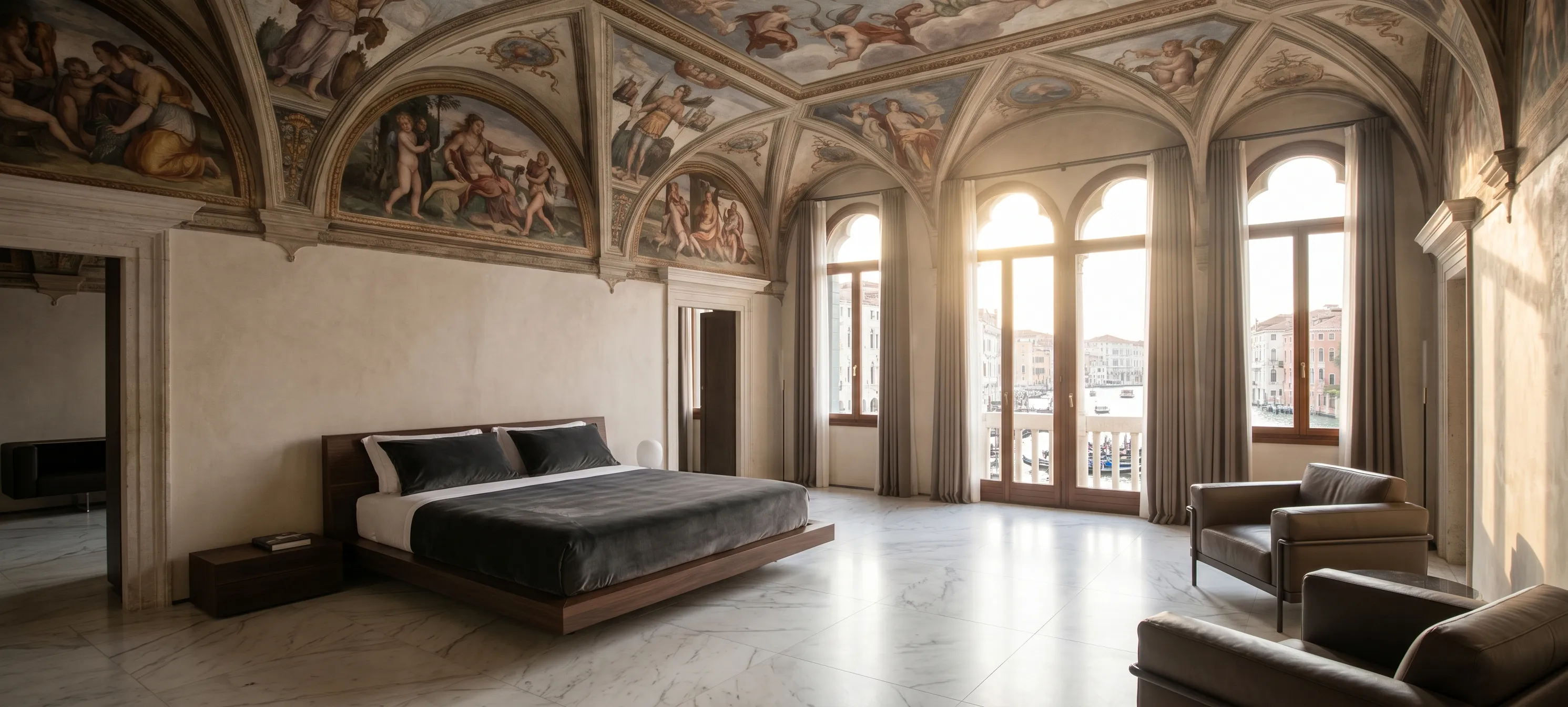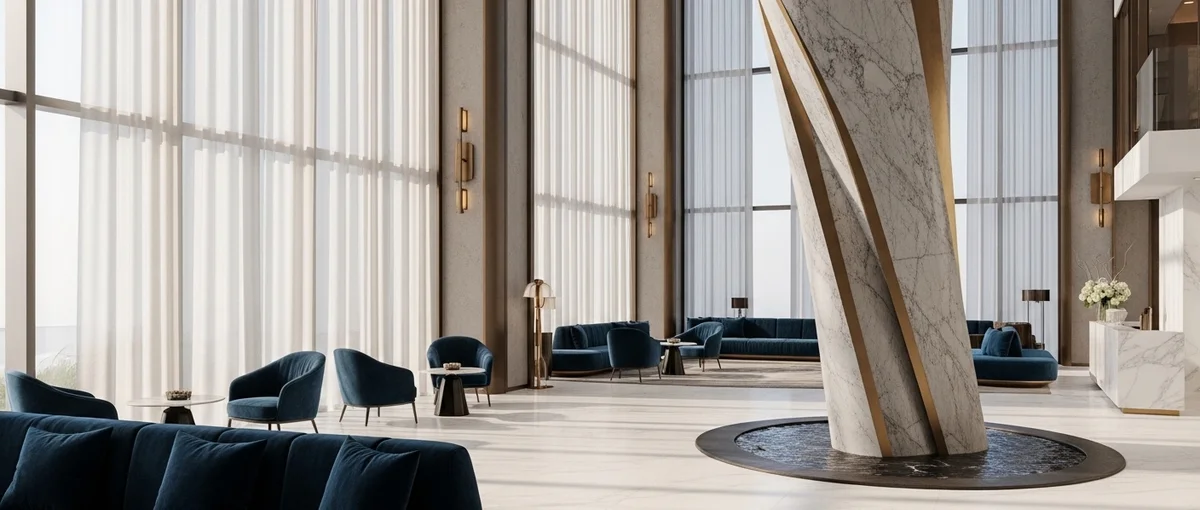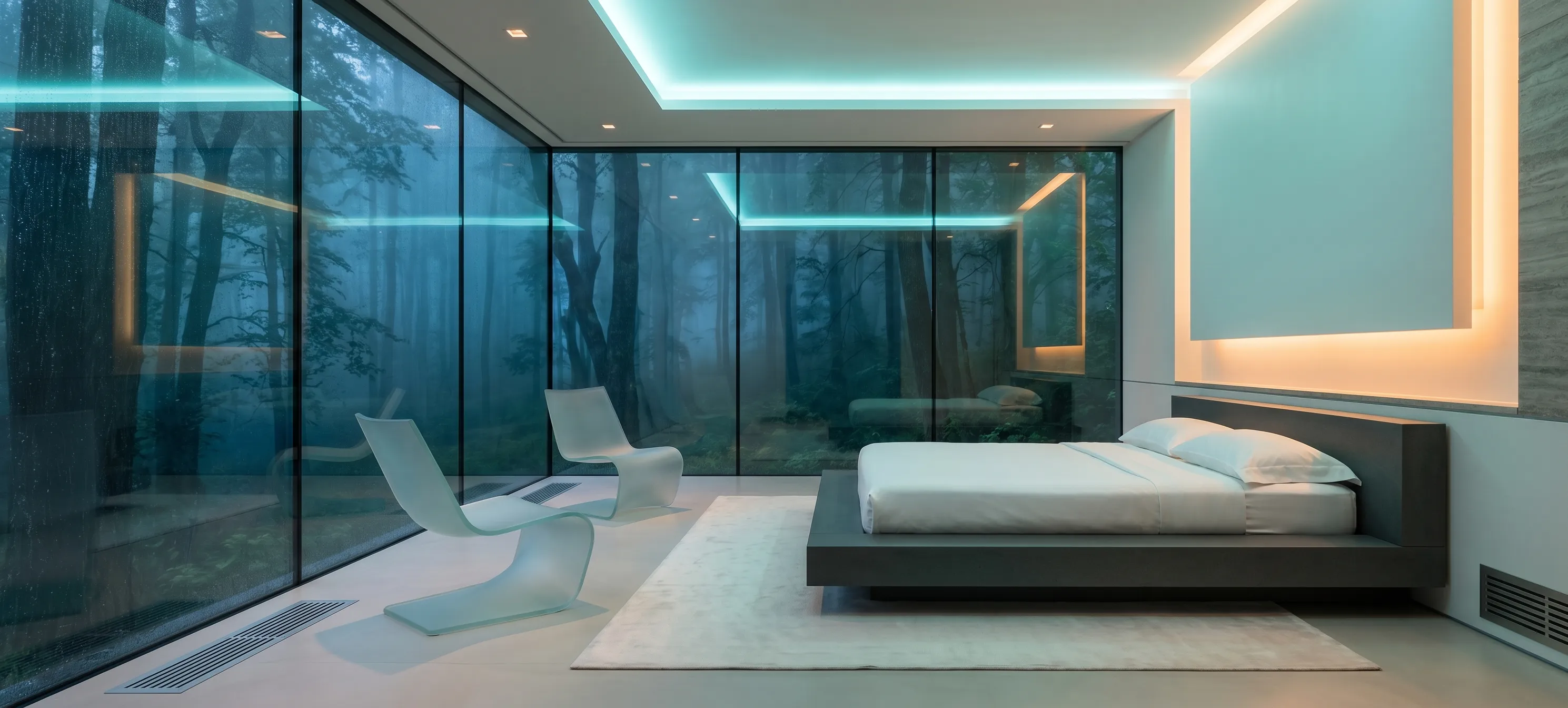

World Luxury Hotel Brands: Stunning Stays & Unique Experiences
World Luxury Hotel Brands: Beyond the Generic
World luxury hotel brands have entered a critical inflection point where generic opulence no longer satisfies discerning travelers. The market now demands elite brands that deliver authentic cultural immersion, architectural innovation, and genuine connection to their environments—not merely predictable five-star amenities replicated across continents.
This shift reflects a fundamental recalibration in what “luxury” actually means in 2026.
Key Takeaways
- Top world luxury hotel brands now prioritize cultural authenticity and environmental integration over standardized grandeur.
- Emerging destinations like Saudi Arabia’s Red Sea region are redefining luxury through bold design and sustainability initiatives.
- Luxury accommodations increasingly offer personalized, slow-travel experiences that contrast sharply with mass-market chain hospitality.
We analyzed current luxury hospitality trends through industry reports from Expedia and Condé Nast Traveller, examining how leading luxury hotel chains are repositioning their value propositions. Our assessment focused on properties demonstrating genuine local integration, architectural distinctiveness, and measurable sustainability commitments rather than surface-level amenities.
This framework ensures we distinguish authentic luxury from marketing-driven positioning.
The distinction between budget and premium accommodations has become increasingly nuanced—even best budget hotel chains now incorporate design elements once reserved for ultra-luxury properties. Meanwhile, according to Expedia’s 2026 travel insights, elite brands are competing on experiential depth rather than room count or amenity lists.
Saudi Arabia’s Ascent: Redefining Luxury Travel
Saudi Arabia has transitioned from a peripheral market into a critical node within the global luxury hotel ecosystem, driven by Vision 2030 and infrastructure investments that rival established European and Asian luxury corridors. The kingdom’s Red Sea region now hosts architectural statements that challenge conventional definitions of opulence—moving beyond predictable marble lobbies toward integrated environmental design and cultural authenticity.
"Saudi Arabia is not simply adding luxury hotels; it is fundamentally reshaping what luxury means in the 21st century."
Shebara: The Prototype of Next-Generation Luxury
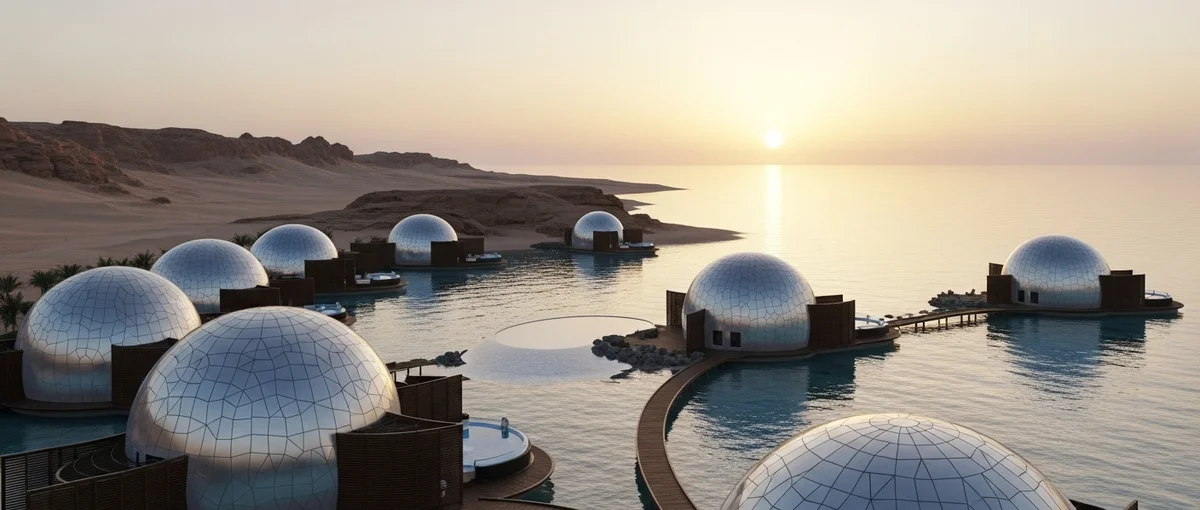
Shebara exemplifies this shift with just 22 rooms positioned as discrete mirrored orbs embedded into untouched coastline. The resort operates on solar power, eliminating the carbon footprint typical of conventional five-star properties.
Its 8,611-square-foot wellness area functions as a biological integration point rather than a cosmetic amenity—designed to synchronize guest circadian rhythms with the Red Sea’s natural light cycles.
Market Positioning & Accessibility
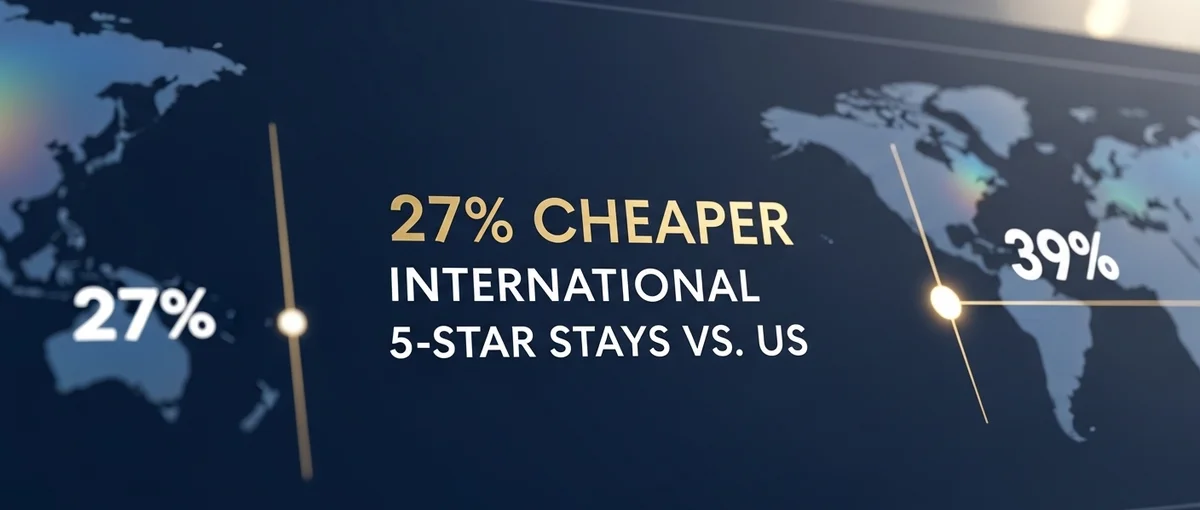
According to Hotels.com’s 2025 Hotel Price Index, international 5-star accommodations in emerging luxury destinations are 27% cheaper than US stays, making world luxury hotel brands increasingly accessible to mid-tier affluent travelers. This pricing advantage, combined with Saudi Arabia’s geopolitical stability and infrastructure maturity, positions elite brands to capture market share previously concentrated in established Western destinations.
When planning your stay, luxury hotel booking tips unlock significant value through strategic timing and direct resort partnerships.
Immersive Stays: Where Culture Meets Opulence
The most compelling world luxury hotel brands now reject the sterile uniformity of corporate hospitality, instead embedding themselves into the cultural and architectural fabric of their locations. Genuine luxury in 2026 means abandoning predictable amenities in favor of deeply rooted, place-specific experiences that forge authentic connections between guest and environment.
Architectural Integration & Local Narrative
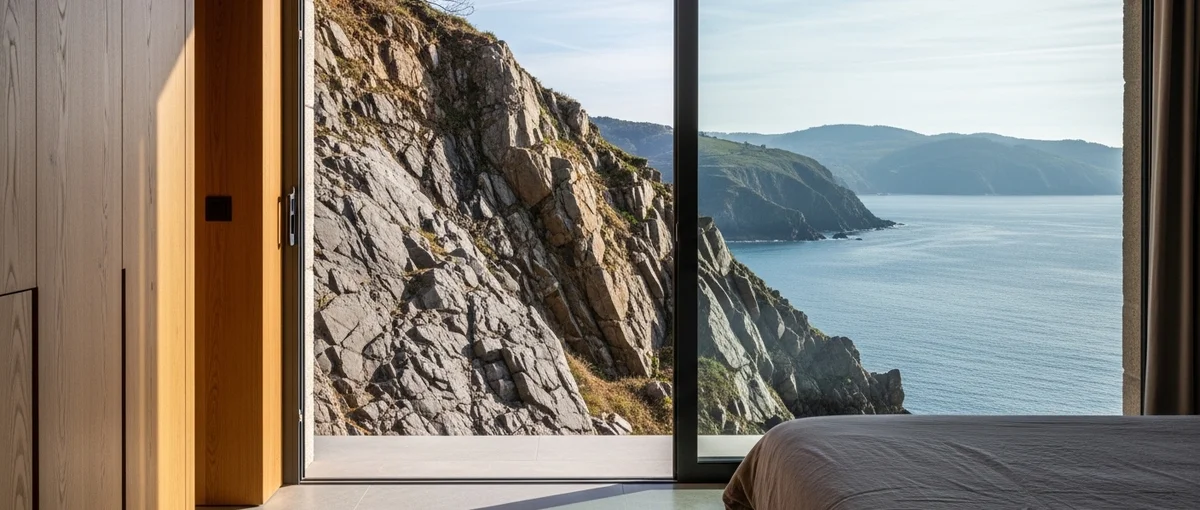
Properties like Akelarre in San Sebastián exemplify this shift—rooms carved directly into hillside terrain overlooking the Bay of Biscay, paired with a three-Michelin-starred restaurant that reflects the region’s gastronomic identity. The design philosophy rejects generic marble lobbies; instead, it prioritizes structural harmony with landscape and cultural storytelling through every material choice.
Emerging Markets & Boundary-Pushing Design
Saudi Arabia’s Red Sea region demonstrates how elite brands are expanding beyond traditional luxury hubs. Shebara, featuring just 22 rooms housed in striking mirrored orb structures, combines solar-powered sustainability with bold architectural statements that challenge conventional resort aesthetics.
This represents a fundamental recalibration: luxury now demands environmental consciousness alongside opulence.
Personalization & Slow Hospitality
The shift toward luxury hotel experience biohacking reflects broader demand for customized, wellness-integrated stays. According to 2026 travel trend analysis, guests increasingly prioritize multi-week immersive itineraries over rapid destination-hopping, valuing depth over breadth.
Global Luxury: Uncovering Value and Unique Destinations
The landscape of world luxury hotel brands has fundamentally shifted. Travelers no longer equate luxury solely with price tags or standardized opulence; instead, they seek authentic immersion, architectural innovation, and genuine connection to place. This recalibration has democratized access to premium stays while simultaneously elevating the bar for what constitutes true hospitality excellence.
Elite brands are now competing on differentiation rather than uniformity. According to the Hotels.com 2025 Hotel Price Index, international 5-star accommodations are 27% cheaper than US stays, with luxury options available under $200 in cities like Hanoi and Pattaya. This pricing transparency has exposed the artificial premium once commanded by legacy luxury hotel chains in saturated markets.
Saudi Arabia exemplifies this shift. The Red Sea region, anchored by Vision 2030 initiatives and properties like Shebara—featuring just 22 rooms and an 8,611-square-foot wellness area—demonstrates how emerging destinations are redefining luxury through bold design and environmental stewardship rather than historical pedigree. A luxury hotel experience now demands cultural authenticity, not merely thread count.
| Variable | Baseline Measurement | Technical Implication |
|---|---|---|
| Shebara Room Inventory | 22 rooms | Ultra-exclusive capacity; premium per-night economics |
| Wellness Infrastructure | 8,611 sq ft | Integrated biophilic design; operational complexity |
| Regional Emergence | Saudi Arabia Red Sea | Market disruption; legacy brand vulnerability |
| Price Differential | 27% cheaper internationally | Accessibility expansion; margin compression |
The competitive advantage now lies in curated experiences at the Red Sea’s best hotels—properties that blend architectural boldness with untouched landscapes, not in repeating the formulaic luxury playbook.
Architectural Wonders & Sustainable Sanctuaries
World luxury hotel brands are increasingly defined not by marble lobbies alone, but by bold architectural statements that integrate seamlessly with their natural surroundings. The distinction between generic opulence and authentic luxury now hinges on how properties engage with their environment—both aesthetically and ecologically.
Design as Environmental Integration
Shebara, located on Saudi Arabia’s Red Sea coast, exemplifies this paradigm shift through its distinctive mirrored orb architecture that reflects the surrounding landscape rather than dominating it. The resort’s solar-powered infrastructure and integration with untouched coastlines demonstrate how elite brands are redefining luxury through sustainable innovation.
This approach contrasts sharply with traditional luxury hotel chains that prioritize uniform aesthetics across markets.
Localized Architectural Language
Akelarre in San Sebastián, Spain, operates within a radically different framework—rooms carved directly into hillside terrain overlooking the Bay of Biscay, with a three-Michelin-starred restaurant anchoring the property’s cultural authority. Such properties leverage their geographic specificity as a core competitive advantage, transforming architecture into a narrative device that connects guests to place.
Economic Accessibility Through Design Excellence
According to the Hotels.com 2025 Hotel Price Index, international 5-star luxury accommodations now offer 27% cheaper rates than comparable US properties, democratizing access to architecturally significant sanctuaries. When combined with access to world-class beaches, these properties deliver measurable value without compromising design integrity or sustainability commitments.
World luxury hotel brands competing in 2026 must therefore balance architectural boldness with ecological responsibility—a technical requirement, not merely aesthetic preference.
The Verdict: Crafting Your Dream Luxury Escape
Selecting among world luxury hotel brands requires aligning your priorities with the operational architecture of each property—whether you prioritize cultural immersion, architectural innovation, or accessibility metrics. The distinction between elite brands lies not in surface-level amenities but in how deeply each resort integrates local context, sustainability protocols, and personalized service delivery into its core infrastructure.
Pros
- ✅ Emerging destinations like Saudi Arabia's Red Sea region offer cutting-edge architecture and eco-conscious design at competitive price points (27% cheaper than US stays).
- ✅ Culturally immersive properties provide authentic engagement with local environments rather than generic, mass-market hospitality.
- ✅ Luxury hotel chains now span nine countries in 60 days, enabling seamless multi-destination itineraries with consistent service standards.
- ✅ Boutique ultra-luxury resorts (just 22 rooms) deliver hyper-personalized experiences impossible in larger operations.
Cons
- ❌ Smaller, design-forward properties may lack the operational redundancy and service breadth of established luxury hotel chains.
- ❌ Emerging destinations still face infrastructure maturity challenges despite ambitious Vision 2030 initiatives.
- ❌ Premium positioning often masks generic experiences; thorough vetting is essential to avoid superficial luxury.
- ❌ Limited availability at boutique properties creates booking friction and higher price volatility.
Modular Final Verdict
- If you prioritize cultural authenticity and architectural innovation, then explore emerging properties like Shebara or properties aligned with Red Sea Global (RSG) developments.
- If you require operational consistency and global accessibility, then select established luxury hotel chains with proven service delivery across multiple continents.
- If budget optimization is critical, then target international 5-star properties in emerging markets, which deliver elite experiences at substantially lower cost than US-based alternatives.
- If you seek intimate, personalized experiences, then prioritize ultra-boutique resorts with minimal room counts and bespoke design frameworks.
- If sustainability and eco-conscious operations matter, then verify solar-powered infrastructure, local material sourcing, and environmental certifications before booking.
When evaluating best luxury hotels, apply these conditional frameworks to align property selection with your specific operational and experiential requirements.
Your Luxury Travel Questions Answered
The landscape of world luxury hotel brands has fundamentally shifted—elite brands now prioritize authentic cultural integration and architectural innovation over generic five-star amenities. This section addresses the most pressing questions travelers ask when selecting luxury accommodations that deliver genuine value and meaningful experiences.
What defines a top luxury hotel experience in 2026?
Top luxury hotels in 2026 offer authentic, culturally immersive, and personalized experiences, connecting to local environments and unique architecture. The distinction between expensive and genuinely luxurious is a critical differentiator.
Are there new luxury travel destinations emerging?
Yes, Saudi Arabia, particularly The Red Sea region, is rapidly emerging as a top luxury travel destination, driven by Vision 2030 and resorts like Shebara. This represents a fundamental shift.
What are some examples of hotels offering unique cultural immersion?
Akelarre in San Sebastián, Spain, offers a “radical, slow vision of hospitality” shaped by its local environment, with a three-Michelin-starred restaurant and well-appointed rooms. Such properties embed within regional identity.
How are luxury hotels incorporating sustainability or unique design?
Resorts like Shebara on Saudi Arabia’s Red Sea coast feature striking mirrored orb designs, are solar-powered, and blend bold architecture with untouched landscapes. They push boundaries in high-end travel. Explore best resorts regenerative luxury.
Is luxury travel becoming more accessible globally?
International 5-star hotels can be 27% cheaper than US stays, with luxury options under $200 in cities like Hanoi and Pattaya. This expands access to world luxury hotel experiences across diverse markets.
What are the trends in luxury rail travel for 2026?
Luxury rail travel gains momentum in 2026, with demand for slow-cruising itineraries and multi-week trips. Routes like the Golden Eagle Silk Road Express and Belmond’s Britannic Explorer reflect a pivot toward experiential depth.
Frequently Asked Questions
01 What defines a top luxury hotel experience in 2026?
Beyond standard opulence, top luxury hotels in 2026 offer deeply authentic, culturally immersive, and highly personalized experiences, often with a strong connection to local environments and unique architectural statements.
02 Are there new luxury travel destinations emerging?
Yes, Saudi Arabia, particularly The Red Sea region, is rapidly emerging as a top luxury travel destination, driven by ambitious projects like Vision 2030 and resorts like Shebara.
03 What are some examples of hotels offering unique cultural immersion?
Akelarre in San Sebastián, Spain, offers a "radical, slow vision of hospitality" deeply shaped by its local environment, featuring a three-Michelin-starred restaurant and serene rooms carved into the hillside.
04 How are luxury hotels incorporating sustainability or unique design?
Resorts like Shebara on Saudi Arabia's Red Sea coast feature striking mirrored orb designs, are solar-powered, and blend bold architecture with untouched landscapes, pushing boundaries in high-end travel.
05 Is luxury travel becoming more accessible globally?
According to the Hotels.com 2025 Hotel Price Index, international 5-star hotels can be 27% cheaper than US stays, with luxury options available under $200 in cities like Hanoi and Pattaya.
06 What are the trends in luxury rail travel for 2026?
Luxury rail travel is gaining momentum in 2026, with demand for slow-cruising itineraries and multi-week trips combining routes like the Golden Eagle Silk Road Express and Belmond's Britannic Explorer.

Aisha Patel
Green Impact Architect
Forging sustainable global travel through strict ecological audits.