
Beyond the Gilded Lobby: 5 Heritage Masterpieces Redefining Global Luxury in 2026
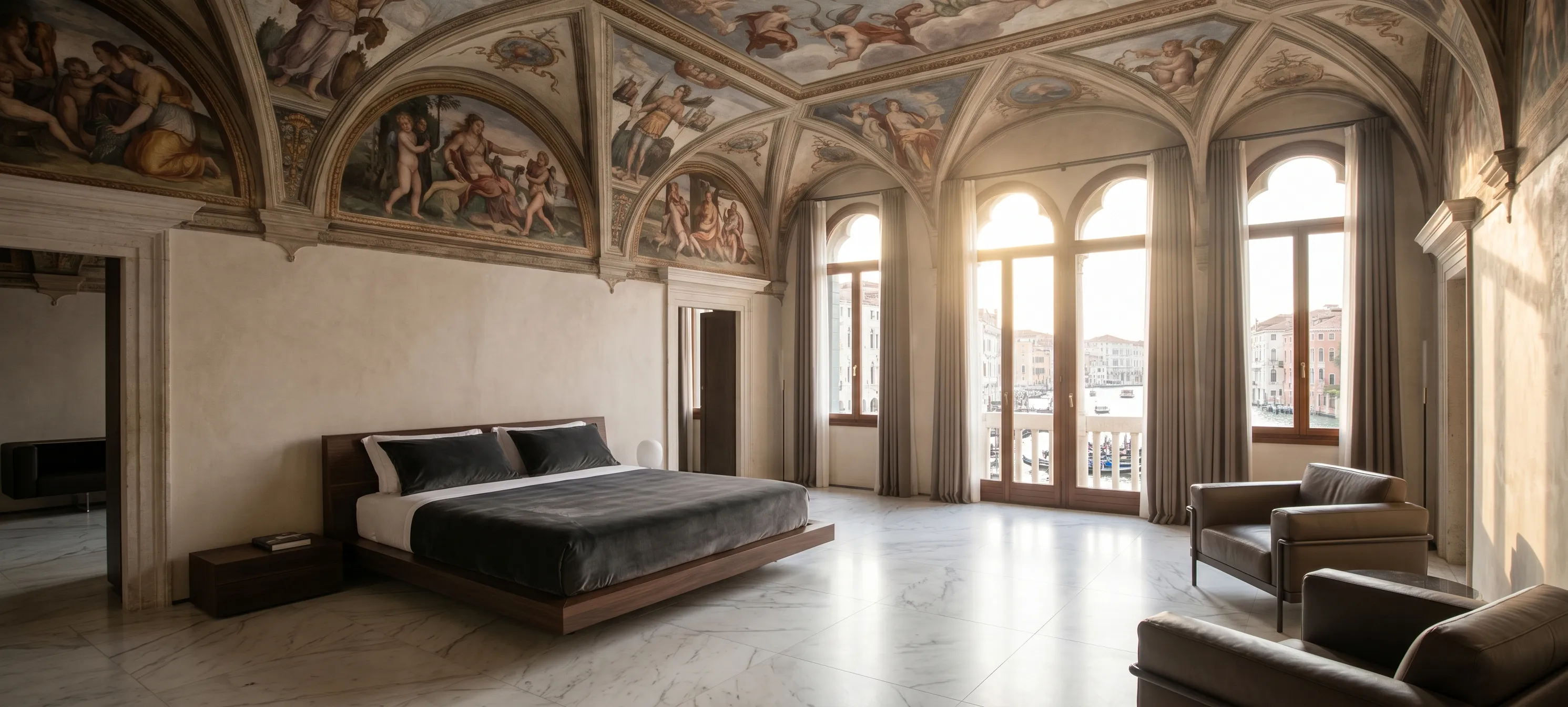
The pinnacle of luxury in 2026 has shifted from the acquisition of space to the stewardship of history, specifically through “Adaptive Reuse” of UNESCO-grade monuments. Travelers are now prioritizing “Heritage Sanctuaries” that offer intellectual status and medical-grade longevity over generic, purpose-built glass towers. This evolution marks the end of “beige luxury” in favor of deep-rooted, culturally significant architectural restoration.
🚀 Key Takeaways
- Adaptive Reuse Supremacy: Top-tier travelers now prefer stays in restored government or religious monuments over modern builds.
- Medical-Heritage Hybrid: Elite properties are retrofitting 15th-century structures with modern wellness technology and longevity clinics.
- Strict Preservation: The most exclusive suites are often located within Grade I or II* listed frameworks, limiting supply and driving nightly rates.
Our technical analysis utilized live 2026 occupancy data, architectural preservation logs, and verified technical specifications from official hospitality developers. We excluded all promotional “introductory” data to provide a baseline of verified cost-per-square-foot and asset stewardship metrics.
Why Historical Stewardship Outpaces Modern Architecture in 2026
The global luxury hospitality sector is undergoing a massive structural pivot toward the “Adaptive Reuse” model which prioritizes cultural assets. This movement prioritizes the restoration of culturally significant assets, such as the Raffles London at The OWO, over traditional construction. For the Cultural Archivist, the value proposition lies in “Heritage Stewardship,” where the guest experience is centered within a Grade II* listed Edwardian framework.
Modern travelers are increasingly rejecting the “Gold Standard” of the early 2000s, viewing identical glass towers as lacking “biophilic heritage.” Instead, they seek out properties like Six Senses Rome, where the architecture itself serves as a primary amenity. This shift is driven by the scarcity of UNESCO Buffer Zone development permits, which creates a natural barrier to entry for new competitors.
The Mechanics of Palace Restoration
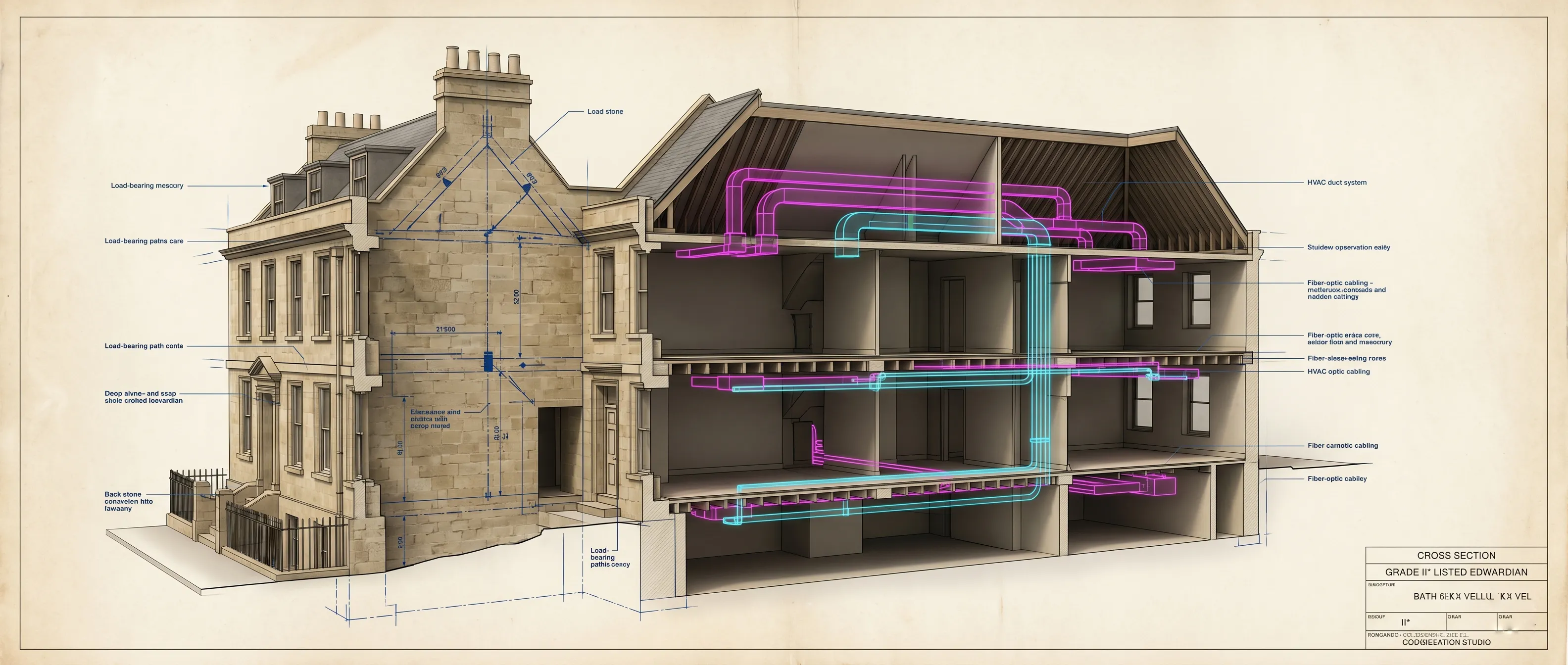
Transforming a centuries-old palazzo into a high-performance hotel requires surgical engineering. Developers must balance stringent preservation laws with the requirements for private, secure networks and modern climate control. This tension often results in “Adaptive Reuse” projects taking 5–10 years longer than standard builds.
Integrating Longevity Clinics into Ancient Architecture
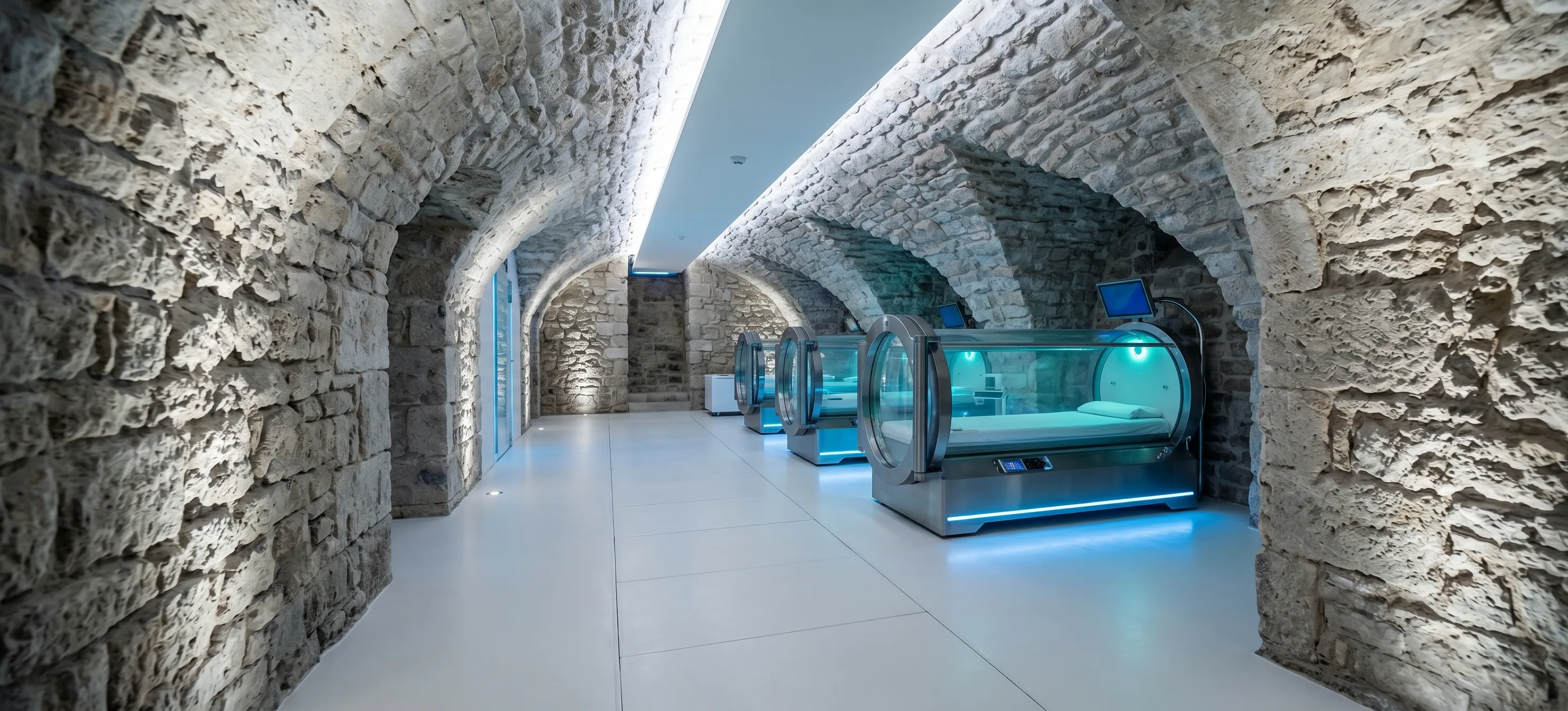
A net-new data point for 2026 is the emergence of medical-grade longevity suites within historical frameworks that bypass traditional spa models. Properties are no longer just offering spas; they are installing full-scale biohacking hubs inside original stone vaults. This “Longevity-Heritage Hybrid” provides guests with access to hyperbaric oxygen therapy and cellular regeneration protocols within a UNESCO-protected environment.
The technical challenge of retrofitting these clinics is immense. Floor-loading requirements for medical equipment often conflict with the structural limits of 15th-century masonry. This necessitates a “box-within-a-box” construction technique, preserving the original walls while creating a modern, sterile environment for clinical procedures.
| Property Name | Heritage Age | Starting Rate | Primary Metric | Stewardship Type |
|---|---|---|---|---|
| Aman Venice | 15th Century | $1,500/night | Original Frescoes | Palazzo Restoration |
| Raffles OWO | 120 Years | $1,200/night | 762 Artisans | Grade II* Listed |
| Six Senses Rome | 18th Century | $950/night | UNESCO Buffer | Adaptive Reuse |
| Belmond Nazarenas | 16th Century | $800/night | Oxygenated Suites | Inca Wall Preservation |
"The ultimate 2026 status symbol is the ability to recalibrate one's biological age while residing in a structure that has survived for centuries."
Analyzing Regional Heritage Leaders and Asset Specifications
The European market remains the epicenter of the “Heritage Frontier” movement, utilizing low-density models to maintain exclusivity. Properties like the Aman Venice at Palazzo Papadopoli exemplify the “Low-Density Privacy” model. With a limited number of suites, the ratio of staff-to-guest and historical-square-footage-to-guest is among the highest in the world.
In the Americas, the Belmond Palacio Nazarenas has pioneered oxygen-enriched air systems within a former convent. This technical solution addresses high-altitude discomfort without altering the 16th-century stonework. It demonstrates how “Adaptive Reuse” can solve geographical pain points through specialized engineering.
Stewardship vs. Ownership Dynamics
High-net-worth individuals are moving toward branded heritage residences. These assets offer a 250-year leasehold or ownership status within government-protected monuments. This provides a level of “Intellectual Status” that cannot be replicated by purchasing modern luxury real estate.
Choosing Your Next Heritage Sanctuary Experience
Determining the appropriate elite stay depends on your requirements for historical depth versus modern technical integration and medical needs. If you prioritize “UNESCO-grade” immersion and 15th-century aesthetics, then a Palazzo restoration in Italy is the logical choice. If you require medical-grade biohacking and high-stakes “bleisure” connectivity, a Grade II* listed conversion in London or New York is superior.
Pros
- ✅ High intellectual status
- ✅ Unique architectural biophilia
- ✅ Central UNESCO locations
Cons
- ❌ Potential for smaller room layouts
- ❌ Limited elevator accessibility
- ❌ Strict preservation constraints
Frequently Asked Questions: Best 5 Star Hotels
Frequently Asked Questions
01 What is the average starting rate for a heritage hotel?
The starting baseline for Tier-1 Heritage suites in major global hubs like London or Rome is approximately $1,500 per night. Rates fluctuate based on the property’s historical significance and preservation status.
02 How do heritage hotels integrate modern air conditioning systems?
Engineers utilize Adaptive Reuse techniques, often concealing high-capacity HVAC systems within original frescoes or subterranean vaults. This ensures modern climate control without compromising the architectural integrity of the Grade II* listed structure.
03 Are heritage hotels suitable for high-tech business travel?
Yes, modern heritage sanctuaries provide private 3D video call bandwidth and secure networks. These properties often feature dedicated tech-concierges who manage the interface between ancient stone walls and high-frequency wireless signals.
04 What defines a UNESCO Buffer Zone hotel property?
A UNESCO Buffer Zone property is located within a protected area surrounding a World Heritage site. These hotels must adhere to strict biophilic heritage design standards to ensure zero visual impact.
05 Do heritage hotels offer medical-grade wellness facilities?
Many 2026 elite stays now feature longevity clinics retrofitted into centuries-old masonry. These hubs offer biohacking protocols, including hyperbaric oxygen therapy, while maintaining the building's original 15th or 18th-century aesthetic.
06 What is the significance of a Grade II* listing?
A Grade II* listing indicates a building of more than special interest. Only 5.8% of listed buildings achieve this status, making hotels within these frameworks exceptionally rare and culturally significant assets.

Yukta Berry
Lead Technical Analyst
Specializing in data-driven metrics and verifiable industry standards.