
Luxury Hotel Experience: 2026 Trends & Tranquility
Luxury Hotel Experience: Focus on Tranquility
The contemporary luxury hotel experience prioritizes tranquility and anticipatory, non-intrusive service. This shift emphasizes unique character, often found in ‘Salvaged Stays,’ over extravagant displays, ensuring a private space for guests.
Key Takeaways
- Luxury hotel experiences in 2026 are defined by personalized privacy and unique, character-rich accommodations.
- The “Hotel Hop Trend” and “Salvaged Stays” represent significant shifts in traveler preferences.
- Anticipatory service, rather than overt displays, is a hallmark of high-end hospitality.
Our analysis is predicated on data from the Unpack '26 trends report by Expedia, Hotels.com, and Vrbo, released on Oct 15, 2025. This methodology ensures a robust, data-driven perspective on emerging luxury travel patterns, alongside insights from industry publications like Condé Nast Traveller.
The definition of a luxury hotel experience is undergoing re-evaluation, moving beyond traditional metrics of grandeur to focus on personalized tranquility and engagement. This evolution is evident in trends like the “Hotel Hop Trend,” where 54% of travelers globally explore multiple accommodations within a single trip, as detailed by Hotels.com here.
Such behavior indicates a desire for diverse experiences rather than prolonged stays in a single, conventional setting.
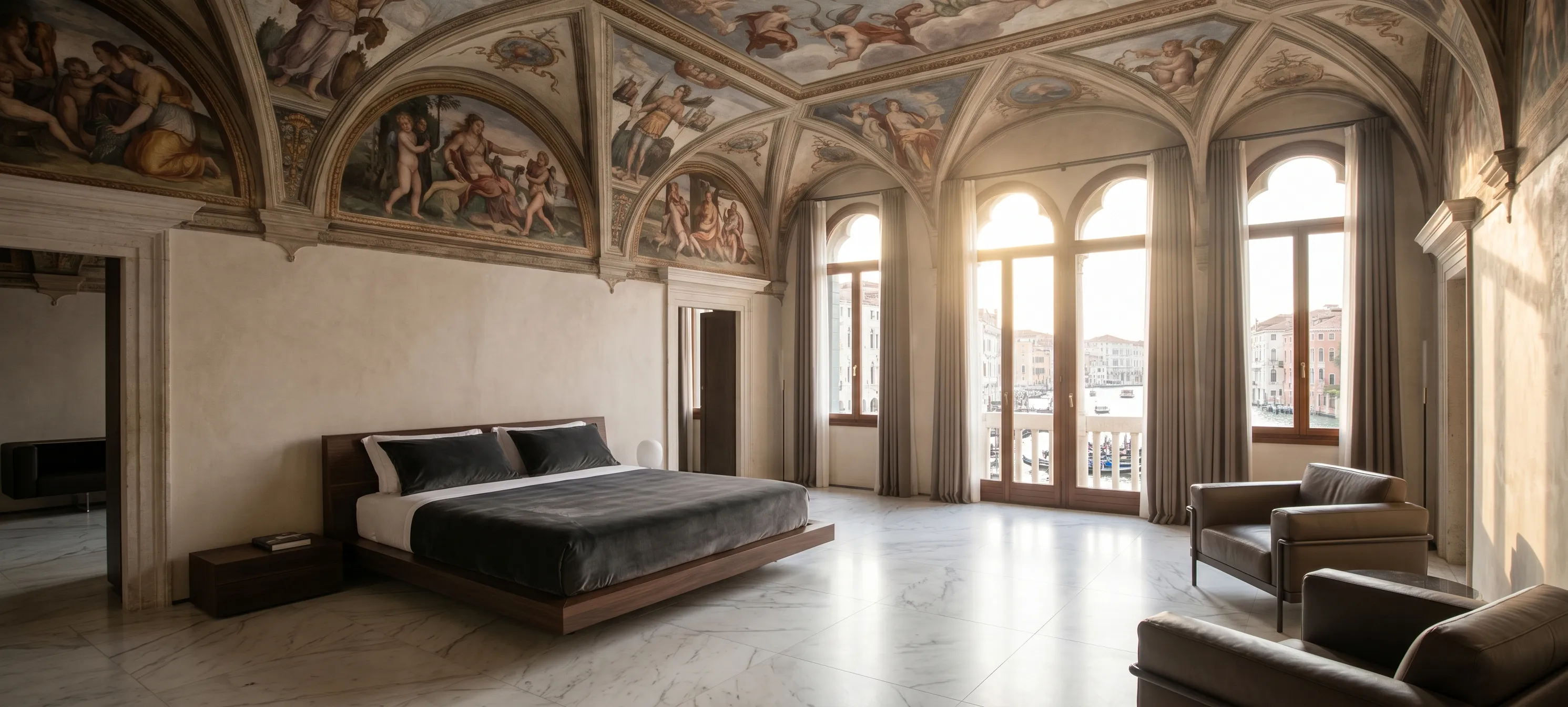
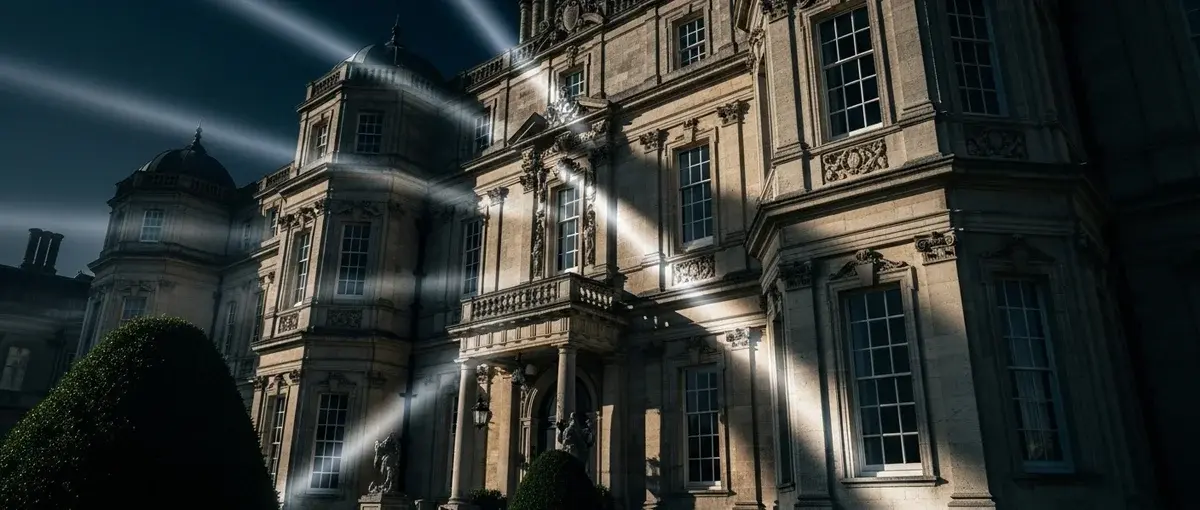
A key development for 2026 is the rise of “Salvaged Stays,” which repurpose historic buildings into high-end accommodations. These offer unique character and a departure from generic modern luxury.
This trend, highlighted in the Unpack '26 trends report available here, provides a distinct alternative to the often-impersonal nature of large, new builds.
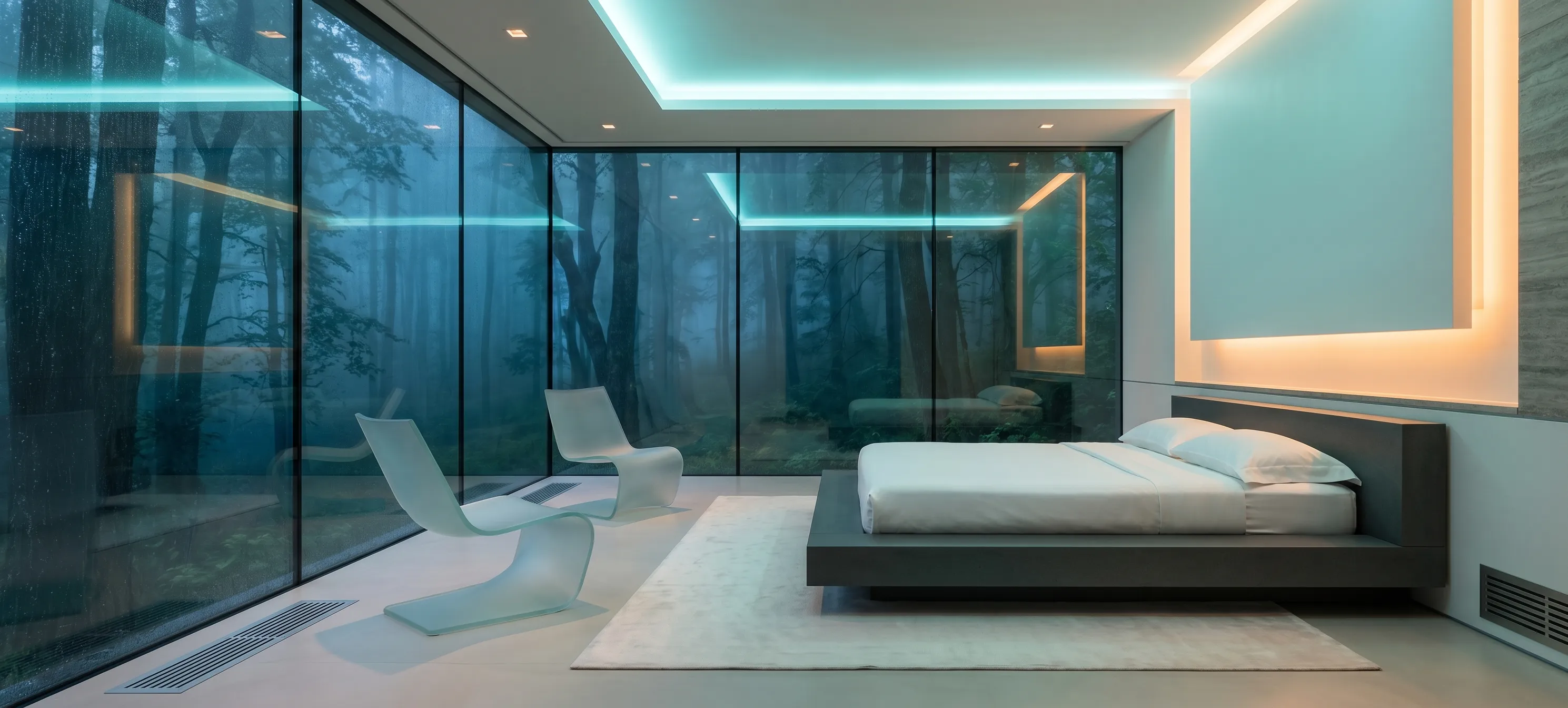
These properties, much like the Mandarin Oriental or Bvlgari brands, aim to anticipate guest needs without intrusive service, fostering a sense of escape.
Travelers, including 52% of UAE travelers, are increasingly interested in exploring different neighborhoods and unique lodging options. This reflects a broader shift towards experiential luxury as reported by Expedia.
This preference underscores the demand for hotels that offer more than just amenities, providing a sense of place and an environment conducive to relaxation.
The emphasis is on a seamless, private experience that feels both exclusive and personal.
Beyond Opulence: The Rise of ‘Salvaged Stays’ and Unique Character
The contemporary definition of luxury accommodation extends beyond conventional opulence, increasingly encompassing properties with distinct historical narratives and architectural integrity. This paradigm shift prioritizes unique character and experiential depth over mere modern extravagance, as detailed in the Unpack '26 trends report.
The Allure of Historic Rebirth
A significant trend for 2026 is the emergence of “Salvaged Stays,” which involve the adaptive reuse of historic buildings into high-end accommodations. This approach offers guests a unique structural and aesthetic experience, diverging from standardized luxury models.
The Unpack '26 report, released on Oct 15, 2025, highlights this growing preference for properties with a rich past. These repurposed structures provide a tangible connection to local heritage, offering an immersive environment that modern builds cannot replicate.
Hotels.com identifies “Salvaged Stays” as a top trend, indicating a consumer desire for accommodations that tell a story hotelscom-salvaged-stays. This trend aligns with a broader movement where 54% of travelers globally are seeking more diverse and character-rich lodging options hotelscom-hotel-hop.
Finding True Tranquility in Unique Settings
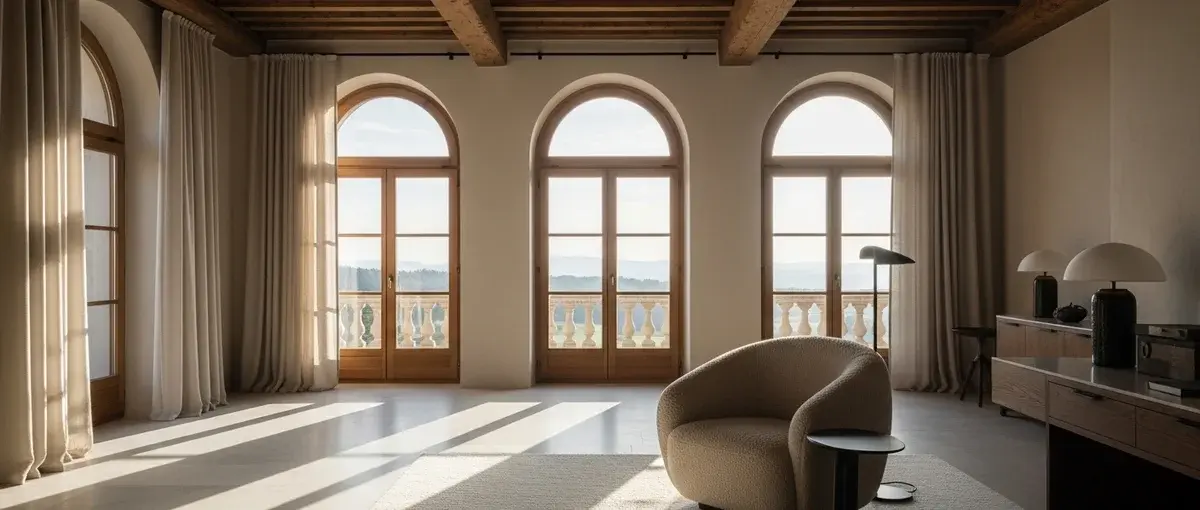
The appeal of “Salvaged Stays” also lies in their capacity to deliver genuine tranquility, often within settings that inherently offer privacy and a sense of retreat. Unlike some ostentatious luxury hotels, these properties frequently leverage their original layouts and historical context to create secluded guest experiences.
This focus on unique character contributes to a more profound sense of escape.
"The adaptive reuse of historic architecture for luxury hospitality represents a sophisticated evolution, offering guests not just comfort, but a curated narrative and an unparalleled sense of place."
For instance, 52% of UAE travelers express interest in exploring different neighborhoods and unique accommodations, signaling a demand for varied and authentic experiences. This preference underscores the market’s shift towards properties that provide both luxury and a distinctive, tranquil environment.
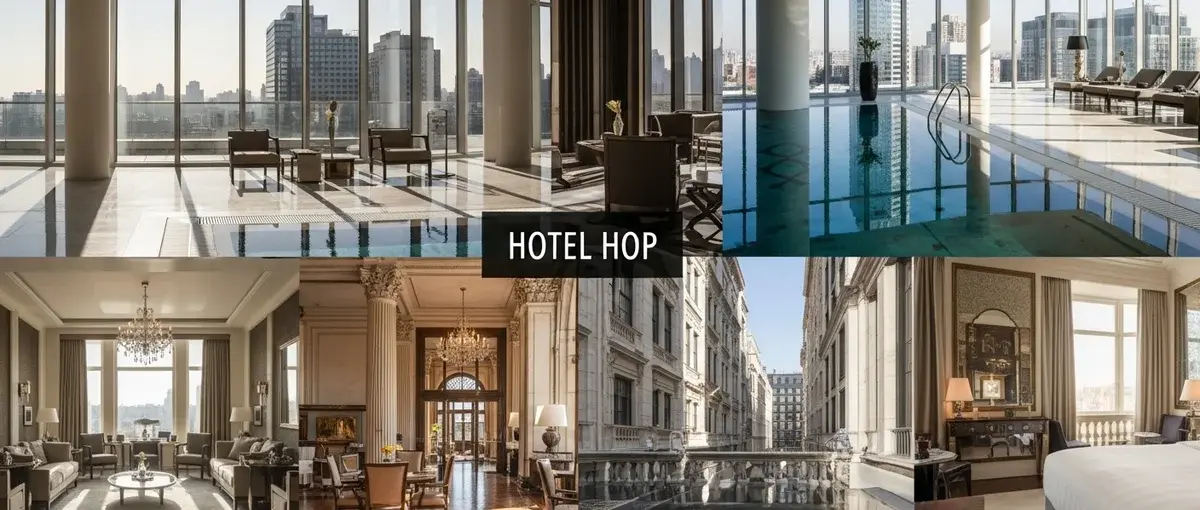
The integration of historical elements ensures an experiential differentiation that transcends typical amenity offerings.
Navigating the ‘Hotel Hop Trend’ and Five-Star Experiences at Sea
Understanding the Hotel Hop Phenomenon
The “Hotel Hop Trend” represents a shift in contemporary travel patterns, where individuals opt to experience multiple accommodations within a single itinerary. This strategic approach allows for varied environmental exposure and diverse service models.
According to the Unpack '26 trends report released on Oct 15, 2025, 54% of travelers globally are embracing this method, as detailed by Hotels.com here.
This trend indicates a preference for exploring different neighborhoods or regional characteristics, rather than committing to a singular lodging experience. The Unpack '26 trends report from Expedia, Hotels.com, and Vrbo further substantiates this evolving traveler behavior here.
Luxury Cruising: Hotels on the Water
The concept of “five-star hotels at sea” is a growing segment within the luxury travel market for 2026, offering an alternative to traditional land-based stays. These maritime vessels are engineered to provide an equivalent, if not superior, level of service and amenity to their terrestrial counterparts.
This evolution in luxury travel is highlighted in analyses of upcoming trends here.
Such experiences integrate the mobility of cruising with the specific service protocols of high-end hospitality. They cater to a demographic seeking planned journeys without compromising on comfort or exclusivity.
Anticipating Needs Without Intrusion
A key component of any luxury experience, whether hotel hopping or aboard “five-star hotels at sea,” is the precise calibration of service. Brands like Mandarin Oriental and Bvlgari exemplify the operational standard of anticipating guest needs without overt intrusion.
This involves a detailed understanding of individual preferences and discreet execution of service.
The desire for varied yet private experiences is also reflected in regional data; 52% of UAE travelers express interest in exploring different neighborhoods, as noted in Expedia’s Unpack '26 report here. This metric underscores the demand for personalized attention that respects personal space and autonomy.
| Trend Category | Key Characteristic | Impact Metric |
|---|---|---|
| Hotel Hop Trend | Exploring multiple accommodations | 54% of travelers globally |
| Luxury Cruising | Five-star hotels at sea | Evolving in 2026 |
| Traveler Preference (UAE) | Interest in diverse neighborhoods | 52% of UAE travelers |
| Report Release | Unpack '26 trends report publication | Oct 15, 2025 |
Decoding 2026 Luxury Travel: Brands, Trends, and Traveler Expectations
The luxury travel sector in 2026 is undergoing re-calibration. This is driven by evolving traveler expectations and emergent trends detailed in the “Unpack ‘26 trends report.”
This shift prioritizes unique experiences and anticipatory service over overt opulence. It redefines operational parameters for high-end hospitality.
Key Players: Mandarin Oriental and Bvlgari
Brands such as Mandarin Oriental and Bvlgari continue to set the benchmark for ultra-luxury accommodations. They demonstrate a systemic capacity for refined service delivery.
These entities often integrate elements that resonate with contemporary preferences, including the character found in Salvaged Stays. Their operational models frequently anticipate guest needs, providing a seamless experience without intrusive service protocols.
UAE Traveler Insights for 2026
Data from the “Unpack ‘26 trends report” indicates specific regional variations in luxury travel preferences. Notably, 52% of UAE travelers express interest in exploring diverse neighborhoods within a single destination, as detailed by Expedia’s analysis.
This metric suggests a demand for varied experiential modules. It potentially influences the development of multi-property itineraries or “Hotel Hop Trend” strategies.
The Future of Personalized Luxury
The trajectory for personalized luxury in 2026 is shaped by a global inclination towards diversified stays. The “Hotel Hop Trend” exemplifies this, with 54% of travelers globally opting to experience multiple accommodations during one trip hotelscom-hotel-hop.
This trend, highlighted in the Unpack ‘26 trends report released on Oct 15, 2025, necessitates adaptive service frameworks. These frameworks must maintain continuity across disparate lodging environments. The integration of “five-star hotels at sea” and other novel concepts further expands the operational scope of luxury travel for 2026.
Your Private Sanctuary: The Verdict on Modern Luxury
Modern luxury hotel experiences are evolving beyond excessive displays, prioritizing true tranquility and anticipatory, non-intrusive service. The operational paradigm for a private sanctuary in 2026 involves a balance between bespoke amenities and guest autonomy, often leveraging unique architectural or historical contexts.
The “Unpack ‘26 trends report” indicates a shift towards more personalized and less conventional luxury accommodations. This includes the rise of “Salvaged Stays,” where historic buildings are repurposed into premium retreats, offering unique character over standard luxury, as detailed by Hotels.com here.
Such properties often provide a more secluded environment, aligning with the desire for a private sanctuary.
The “Hotel Hop Trend” also impacts luxury, with 54% of travelers globally exploring multiple accommodations within a single trip by Oct 15, 2025, according to Expedia’s insights available here. This necessitates that each luxury segment, whether a boutique urban stay or a remote resort, functions as a self-contained, efficient unit.
Anticipatory service, rather than constant presence, is the key operational metric for these establishments. For instance, 52% of UAE travelers are interested in exploring different neighborhoods, as noted in the Expedia 2026 report found here.
Pros
- ✅ Enhanced Personalization: Systems can anticipate needs without direct interaction, optimizing guest flow and resource allocation.
- ✅ Unique Architectural Integration: "Salvaged Stays" offer distinct aesthetic and historical value, differentiating the luxury product.
- ✅ Increased Privacy Quotient: Design and service protocols are engineered to maximize guest solitude and minimize operational visibility.
Cons
- ❌ High Implementation Cost: Integrating advanced anticipatory systems and restoring historic properties requires significant capital expenditure.
- ❌ Potential for Misinterpretation: Over-automation or misaligned anticipatory services can inadvertently lead to a perceived lack of human touch.
- ❌ Scalability Challenges: Replicating the bespoke nature of a private sanctuary across multiple units or brands can be complex.
Modular Final Verdict
- If a luxury property prioritizes guest autonomy and non-intrusive service, then it must invest in advanced predictive analytics and discreet operational protocols.
- If the objective is to offer a unique and private luxury experience, then integrating historical architecture through “Salvaged Stays” provides a competitive advantage.
- If a hotel aims to cater to the evolving “Hotel Hop Trend” by 2026, then each individual property must function as a distinct, value sanctuary capable of standalone excellence.
- If the goal is to achieve a guest satisfaction index for privacy, then the operational model must shift from reactive service to proactive, invisible support.
Frequently Asked Questions
01 What defines a luxury hotel experience in 2026?
In 2026, a luxury hotel experience extends beyond traditional amenities to include unique trends like 'Salvaged Stays' in historic buildings and 'five-star hotels at sea,' alongside personalized, anticipatory service.
02 What is the 'Hotel Hop Trend' mentioned in 2026 travel reports?
The 'Hotel Hop Trend' refers to a growing number of travelers, specifically 54% globally according to Hotels.com's Unpack '26 report, who explore different accommodations within a single trip.
03 Are there specific luxury hotel brands highlighted in recent trends?
Yes, brands like Mandarin Oriental and Bvlgari are often cited as examples of ultra-luxury hotels, reflecting the high standards expected in the sector.
04 What are 'Salvaged Stays' in the context of luxury travel?
'Salvaged Stays' are a top travel trend for 2026, highlighting historic buildings that have been reborn and repurposed as luxury accommodations, offering unique and character-rich experiences.
05 How do travelers in regions like the UAE approach luxury stays in 2026?
According to Expedia's Unpack '26 report, 52% of UAE travelers are interested in exploring different neighborhoods, indicating a desire for diverse experiences even within luxury travel.
06 When were the key 2026 travel trends reports released?
The Unpack '26 trends report from Expedia, Hotels.com, and Vrbo, which details many of these trends, was released on October 15, 2025.

Rishab Negi
Travel Expert
Travel planning and budget optimization specialist.