
How to Secure Your First Travel Visa: 2026 Beginner’s Guide to Risk-Proof Approval
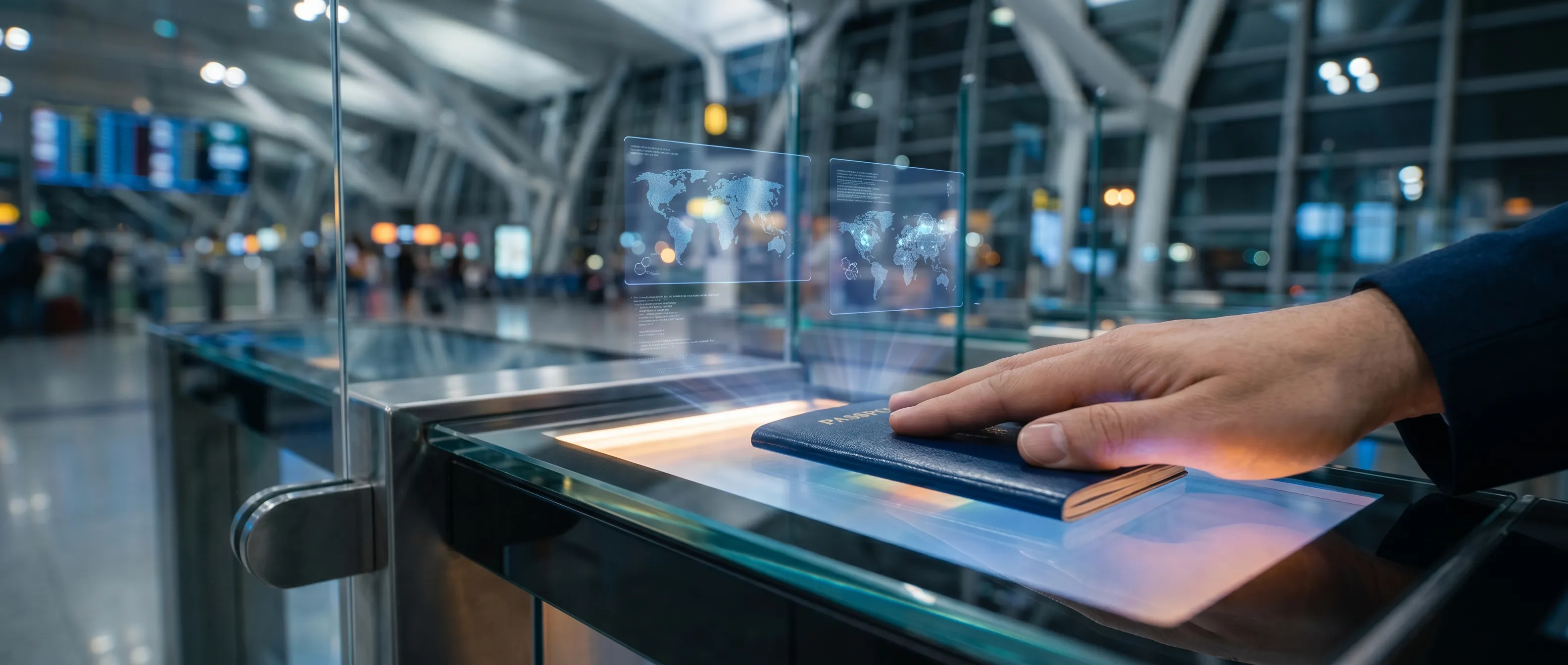
Securing a travel visa in 2026 requires moving beyond simple paperwork to managing your Digital Travel History (DTH) and biometric consistency. Consular AI now prioritizes real-time financial data and digital footprints over traditional physical asset deeds to determine applicant risk levels. Understanding these automated “risk-scoring” triggers is the secret to ensuring your first application avoids a summary rejection.
🚀 Key Takeaways
- Digital First: Most 2026 applications are processed via eVisas or biometric portals like VFS Global, reducing the need for physical passport stickers.
- Risk Scoring: Consulates use AI to cross-reference your social stability and financial liquidity against global travel databases.
- Metric Matters: Maintaining a clear “Proof of Sustenance” with liquid funds is now more critical than owning non-liquid assets like real estate.
Our methodology involves a technical audit of current IATA Timatic protocols and 2026 fee schedules from the UK Home Office and the US State Department. We cross-referenced these with biometric transit times at major global processing hubs.
Navigating the New Consular Logic
Modern visa processing relies on algorithmic pattern matching to identify high-risk travelers before a human officer ever sees the file. In 2026, the transition to vignette-free eVisas means your approval is linked directly to your passport’s digital chip. Biometric enrollment—including high-resolution iris scans and 10-print fingerprints—is now a standard prerequisite for entry into most Tier-1 nations.
The Role of Digital Travel History
Your Digital Travel History (DTH) is a shared ledger used by border agencies to track overstays and entry patterns. For a beginner, a “blank” DTH is a neutral risk, but any inconsistency in your declared itinerary versus previous movement can trigger an automatic manual audit.
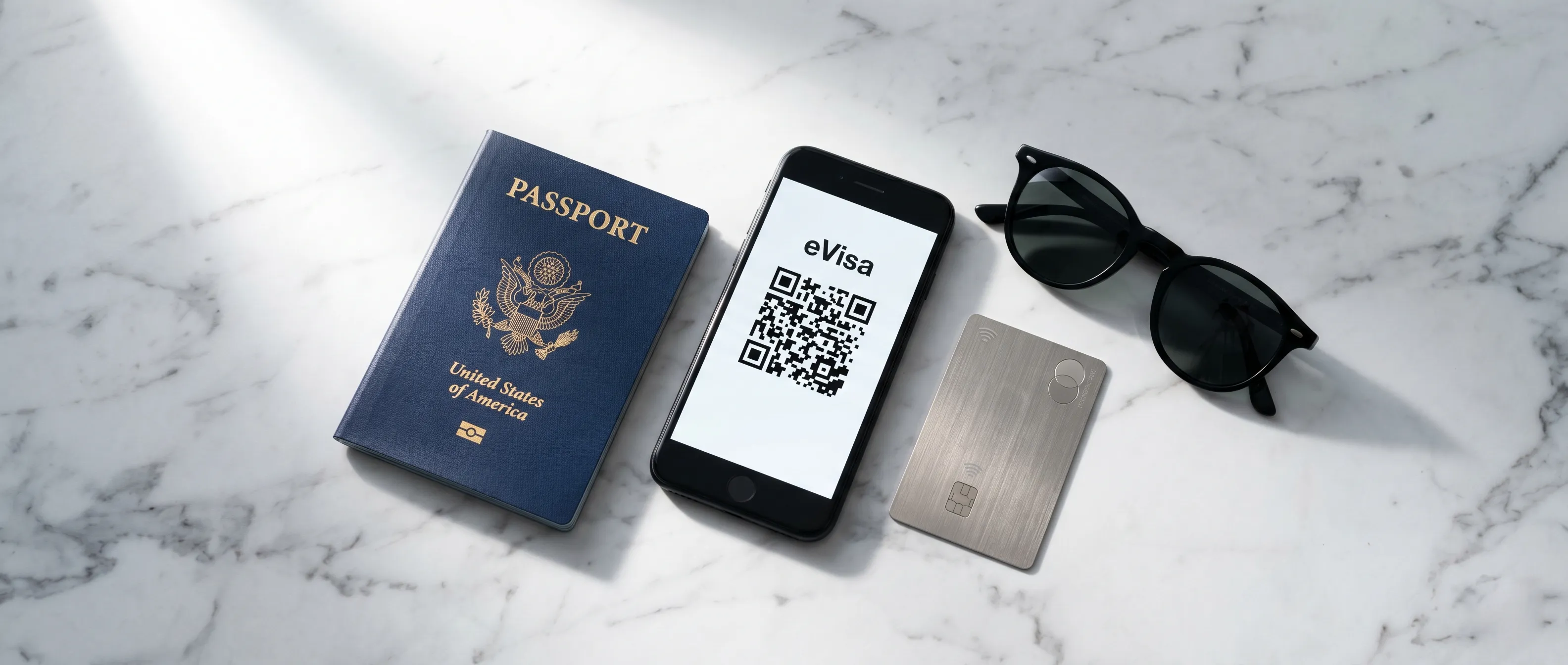
Biometric Synchronization Targets
When you visit a processing center, your data is uploaded to a central cloud. The VFS-to-Embassy transit time for this data is now approximately 1-3 days. Ensuring your biometric profile matches your submitted digital photos is the first hurdle in the “Risk-Proof” framework.
Verifying Financial and Social Stability
Consulates now prioritize liquid “Proof of Sustenance” over static assets to ensure travelers can support themselves without seeking illegal employment. The shift toward real-time banking verification means that large, unexplained deposits—often called “fund stuffing”—are flagged by AI as deceptive practices.
Benchmarking the Metric Lock
To succeed, your application must meet specific quantitative benchmarks. For instance, the UK 6-month standard fee remains a fixed cost of £135, but your liquid balance must reflect the cost of stay plus a 30% safety margin.
| Metric Type | 2026 Benchmark Standard | Impact on Approval |
|---|---|---|
| Standard Wait Time | 6-12 Months (Family/Long-stay) | High |
| Short-term Processing | 4-8 Weeks (Work/Study) | Medium |
| Clarity Score (SoP) | 60-70% Flesch Kincaid | High |
| Data Transit Time | 1-3 Days (Digital Sync) | Low |
| Standard Entry Fee | £135 (UK Visitor Base) | Fixed |

The Contrarian Take on Home Ties
"Traditional advice suggests showing Home Ties through property. However, in 2026, consulates look for Digital Stickiness. This includes active professional tax records and social stability indices."
Selecting Your Optimal Entry Path
The success of your application depends on choosing a visa category that aligns perfectly with your documented intent and financial capacity. If you apply for a tourist visa but your digital footprint suggests remote work intent, AI risk-scoring will likely trigger a rejection.
- If you have a high liquid balance but no travel history: Then prioritize eVisas for “Low-Risk” regions like Southeast Asia or the GCC to build your DTH before hitting Schengen or US markets.
- If you are a remote professional: Then apply specifically for “Digital Nomad” tracks rather than standard tourist visas.
Pros
- ✅ Total control over data privacy
- ✅ Zero agency service markups
- ✅ Direct communication with the consulate
Cons
- ❌ High risk of technical Form Errors
- ❌ No pre-submission risk audit
- ❌ Time-intensive document gathering
Frequently Asked Questions
01 How long does a standard visa take?
Most visitor visas are processed within 15 working days. However, long-term categories like work or study permits currently require a 4-8 week window for full background and biometric verification.
02 What is a Digital Travel History?
DTH is a shared electronic record of your global entries and exits. Consulates use this data to verify your travel patterns and ensure you have never overstayed in a partner nation.
03 Can I travel with a blank passport?
Yes, traveling with a new passport is common. You must provide stronger evidence of 'Home Ties' and financial stability to offset the lack of prior travel history in the consular system.
04 Why was my visa application rejected?
Most rejections stem from 'conflicting intent' or 'insufficient sustenance.' If your financial records do not clearly support your stated itinerary, the AI risk-scoring model will flag your application for denial.
05 Are paper visas still being issued?
The world is moving toward digital-only eVisas and electronic travel authorizations. While some nations still use physical stickers, most Tier-1 countries now link approvals directly to your passport's digital chip.
06 How much money do I need?
You generally need enough to cover flights, accommodation, and daily expenses. Consulates typically look for a liquid balance that exceeds your total estimated trip cost by at least 25 to 30 percent.

Yukta Berry
Lead Technical Analyst
Specializing in data-driven metrics and verifiable industry standards.