
The 2026 Visa Blueprint: Mastering AI-Driven Global Entry Protocols

The era of manual passport stamps and predictable wait times has officially ended with the April 2026 rollout of the EU’s Entry/Exit System (EES). Applicants must now navigate a landscape where AI-driven risk assessment and biometric synchronization determine travel eligibility before you even reach the embassy. While standard checklists still exist, the hidden reality is that your digital footprint and financial “pattern consistency” are now the primary factors in securing a long-term visa.
🚀 Key Takeaways
- Biometric Mandate: The EU EES system now replaces stamps with facial and fingerprint data, making overstays impossible to hide.
- Financial Floor: Minimum income requirements for digital nomads have spiked, with many EU nations now demanding a €3,500 monthly floor.
- AI Screening: Consulates use automated cross-referencing of social security and tax data to flag “stealth nomads” working on tourist visas.
Our 2026 mobility audit is based on raw data from the US State Department, the European Commission’s Migration and Home Affairs portal, and recent processing benchmarks from high-demand hubs like Abu Dhabi and New Delhi.
Navigating the 2026 Biometric Ecosystem
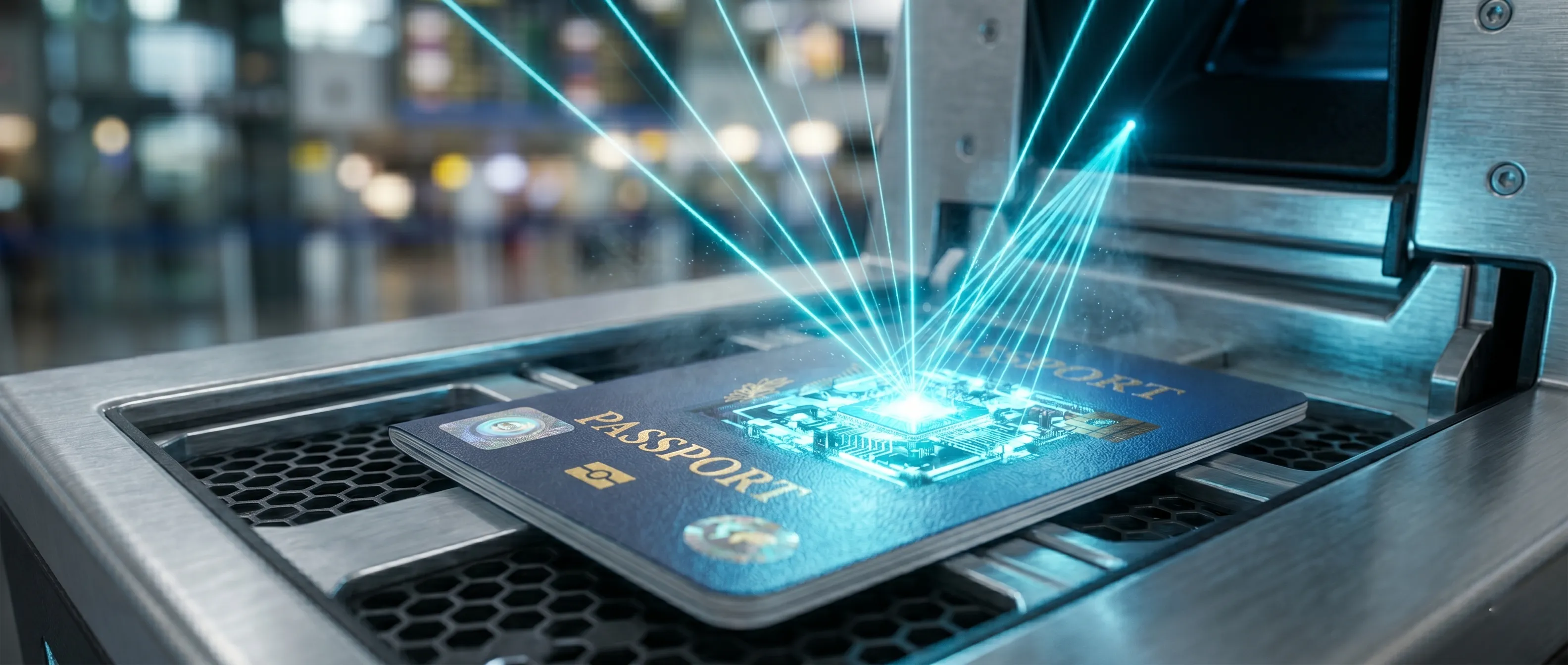
The transition to the Entry/Exit System (EES) in April 2026 signifies a move away from physical evidence toward centralized, real-time biometric tracking. Border authorities no longer rely on visual inspections of ink stamps to calculate your 90/180-day limit. Instead, every entry point into the Schengen Area now utilizes automated kiosks that capture four fingerprints and a 3D facial scan. This data is stored in a secure database managed by eu-LISA, ensuring that identity fraud and overstaying are detected instantaneously.

The Death of the Stealth Nomad
For the Digital Nomad Strategist, this system eliminates the ability to perform “visa runs” across internal borders. The AI-integrated EES flags individuals who exhibit patterns of “perpetual tourism” without the appropriate residency permit. If your biometric identifier shows you have spent 89 days in the zone across multiple entries, the system will automatically block entry on day 91.
Automated Risk Profiling
Beyond border gates, the 2026 application process involves an automated “Risk Assessment” protocol. When you submit a DS-160 or a Schengen application, algorithms cross-reference your data against global criminal databases and previous travel history. Any discrepancy between your declared intent and your historical biometric movement triggers a mandatory manual review, which can extend processing times by 14.5 months in high-traffic consulates.
Evidence Thresholds for Global Mobility
Securing a visa in 2026 requires a 6-month bank statement mandate that prioritizes “Income Consistency” over total balance. Consular officers are no longer satisfied with a single large deposit; they look for a steady stream of passive or remote income that meets the new 2026 global benchmarks. For instance, the Portugal D8 visa now requires proof of €3,680 per month, while Estonia’s floor remains at a strict €3,504.
The Six-Month Audit Rule
Applicants must provide certified statements showing at least 180 days of continuous financial activity. The AI screening tools used by major embassies are specifically designed to detect “borrowed capital”—large sums deposited 30 days before an interview. Your documentation must reflect a NIF (Tax ID) or similar tax residency proof from your home country to validate that your remote income is legal and taxed.
| Destination | Min. Monthly Income | Savings Mandate | Medical Insurance Floor |
|---|---|---|---|
| Portugal (D8) | €3,680 | €44,160 (12 mo) | €30,000 |
| Spain (DNV) | €2,334 | €28,008 (12 mo) | €30,000 |
| Thailand (DTV) | None | $13,600 | Optional |
| Dubai (Virtual) | $5,000 | N/A | Mandatory |
| Estonia (DNV) | €3,504 | N/A | €30,000 |
The Information Gain: Stealth Nomadism Risks
The 2026 “Information Gain” target focuses on the legal gray area of working on a tourist visa. Many travelers believe that as long as their clients are outside the country they are visiting, they are “legal.” However, with the full integration of the EES and the upcoming ETIAS, host nations are now using digital footprints—specifically social media check-ins and coworking space registrations—to build cases against unauthorized workers.
"The 'Stealth Nomad' strategy is functionally dead in 2026. The synchronization of biometric entry data with local tax authorities means that staying longer than 183 days without a proper visa will trigger automatic tax residency and potential deportation orders."
Securing Your Border Clearance
Your approval hinges on choosing the correct path between a high-barrier residency permit and a low-barrier travel authorization. If you are a high-earner looking for tax optimization, the Digital Nomad Visa (DNV) is the only defensible route. If you are a short-term traveler, the 180/90-day rule remains your strict boundary.
Pros
- ✅ Automated borders reduce queuing for compliant travelers
- ✅ E-visas are now issued in <48 hours for 60+ countries
- ✅ Real-time tracking prevents identity theft
Cons
- ❌ Zero tolerance for overstays with automated bans
- ❌ Strict biometric data retention for 3 years
- ❌ Significantly higher monthly income floors
Frequently Asked Questions: 2026 Visa Protocols
Frequently Asked Questions

Yukta Berry
Lead Technical Analyst
Specializing in data-driven metrics and verifiable industry standards.