
Best Time to Visit India 2026: Escaping the 2,000-Meter Heat Firewall
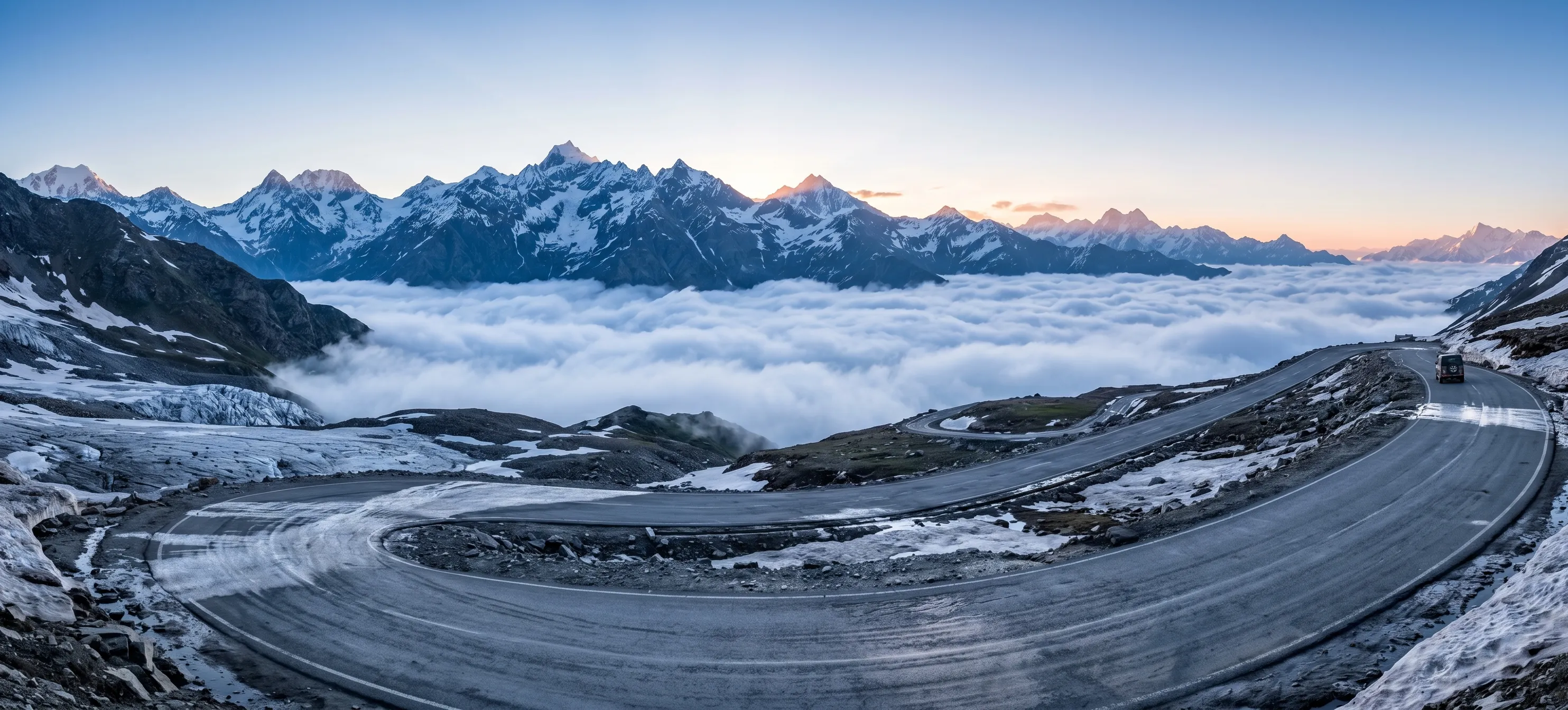
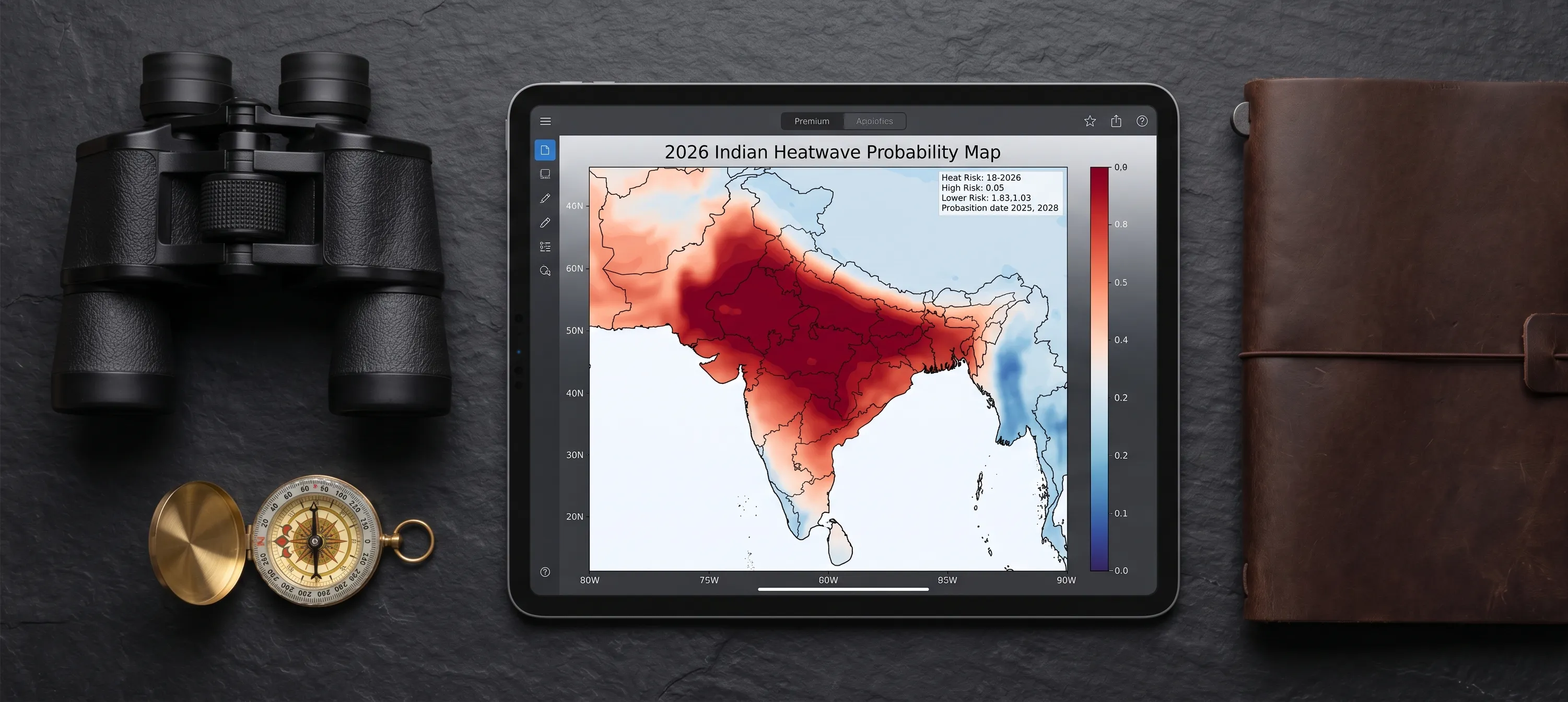
For 2026, the best time to visit India is between October and March for the plains, or April to June for high-altitude Himalayan retreats above 2,000 meters. Avoiding the intensifying “Loo” wind cycles and urban heat islands requires a strategic shift toward altitude-based itineraries rather than traditional regional calendars.
🚀 Key Takeaways
- Altitude is Safety: Locations above 2,000m provide a “thermal firewall” against 2026 heatwaves.
- The 2026 Window: Early October offers the best balance of air quality and green landscapes.
- Metric Alert: Monitor the IMD “Heat Index” rather than just dry temperatures for coastal safety.
Our 2026 seasonal analysis integrates current India Meteorological Department (IMD) summer forecasts, adiabatic lapse rate calculations, and real-time domestic tourism saturation data from the Ministry of Tourism. We prioritized thermal resilience and technical weather patterns over generic travel brochures.
The 2,000-Meter Firewall: Physics of 2026 Thermal Comfort
Travelers must utilize the adiabatic lapse rate to identify climate-resilient destinations during the increasingly volatile Indian summer months. In 2026, the distinction between a “hill station” and a “high-altitude refuge” has become critical for safety. The standard atmospheric physics dictate a temperature drop of approximately 6.5°C for every 1,000 meters of elevation gained. This means while New Delhi swelters at 44°C, a location at 2,500 meters stays a manageable 28°C.
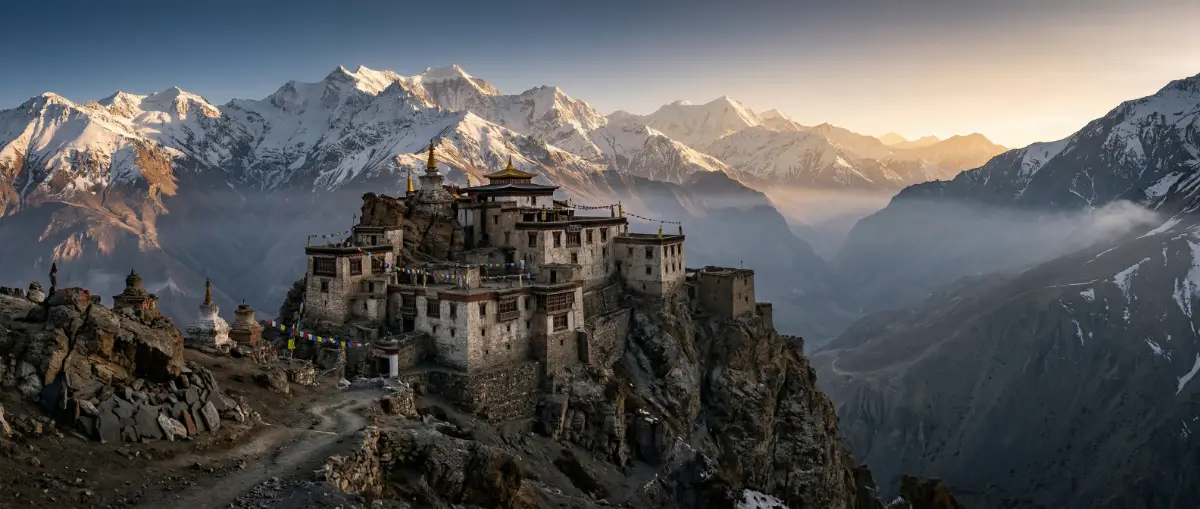
Understanding these alpine microclimates is the only way to bypass the “Loo”—the hot, dusty summer winds that plague the Indo-Gangetic plains. For 2026, we categorize “Thermal Resilience Zones” specifically by their height above sea level. Destinations like Leh, Spiti, and higher reaches of Himachal Pradesh act as a physical barrier against the heatwaves.
Selecting a destination is no longer about North vs. South, but rather Vertical vs. Horizontal travel. High-altitude zones in the Western Himalayas benefit from Western Disturbances—moisture-laden winds from the Mediterranean—which provide sporadic cooling even in peak May. These disturbances are the primary reason 2026 trekkers find relief when lower elevations are under severe heat warnings.
Seasonal Breakdown and the Night-Time Recovery Paradox
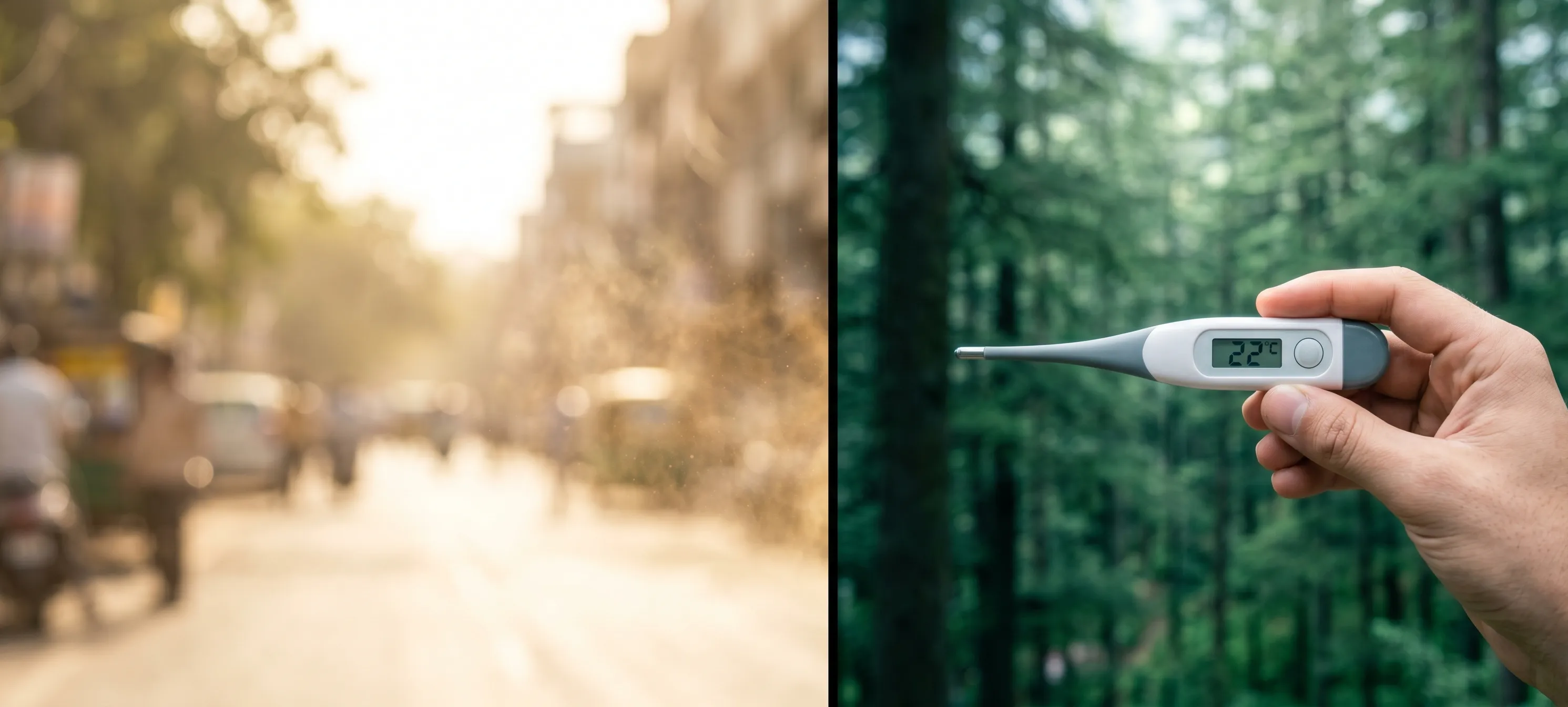
Successful 2026 travel hinges on understanding the “Night-Time Minimum” paradox where urban areas fail to cool down after sunset. Recent data shows that while daytime highs are predictable, the “Above-Normal Minimum Temperatures” in the plains prevent physical recovery from heat stress. This makes 1,500m+ stays essential, as high-altitude geology allows for rapid nocturnal cooling even when daytime solar radiation is intense.
The transition from the dry heat of May to the humid monsoon of July creates a secondary challenge: the Heat Index. In coastal regions like Kerala or Goa, the “Real-Feel” temperature often exceeds the recorded temperature by 8°C due to high humidity. October remains the “Golden Window” as the monsoon retreats, clearing the air of dust and pollutants before the winter inversion sets in.
2026 Regional Performance Metrics
| Region | Peak Window | 2026 Heat Threshold | Crowd Density | Primary Metric |
|---|---|---|---|---|
| High Himalayas | May – Sept | 30°C (Safe) | Moderate | 2,500m+ Elevation |
| Rajasthan/Plains | Nov – Feb | 48°C (Extreme) | High | 40°C Heatwave Cap |
| Western Ghats | Sept – March | 35°C (Humid) | Medium | Humidity Index |
| NE India | Oct – April | 32°C (Stable) | Low | Rainfall Volume |
"The 2026 season marks a permanent shift in luxury travel. The most expensive asset in India is no longer a heritage suite, but a location with a 'Natural Night-Time Minimum' below 22°C without reliance on power-grid cooling."
Tactical Verdict for 2026 Destination Selection
Choosing your window depends entirely on your tolerance for thermal variance and your specific interest in cultural vs. natural landscapes. If you are planning a standard “Golden Triangle” tour, you must strictly stick to the November through February window to avoid the 40°C threshold. If your goal is trekking or high-altitude photography, the April to June window is your only safe harbor.
Pros
- ✅ Lower 'Green Season' rates in July
- ✅ Exceptional visibility in Himalayan zones during May
- ✅ Vibrant festival atmosphere in October
Cons
- ❌ Severe heatwave risks in the plains from April to June
- ❌ Extreme air quality concerns in NCR during November
- ❌ Heavy monsoon flooding in central India
The Decision Logic:
- If seeking iconic monuments: Then book for November–January.
- If seeking thermal escape: Then book for May–June (2,000m+ only).
- If seeking budget luxury: Then book for August (Monsoon).
Frequently Asked Questions: Best Time to Visit India
Frequently Asked Questions
01 What is the safest altitude in India to avoid the 2026 heatwave?
Staying above 2,000 meters is essential for thermal safety. At this elevation, the adiabatic lapse rate ensures temperatures remain significantly lower than the extreme 40°C+ heatwaves currently impacting the Indian plains.
02 How do Western Disturbances affect North India travel in April 2026?
These Mediterranean winds bring essential moisture and cooling to the Northwest. In April 2026, they provide sporadic relief from rising temperatures, occasionally causing unseasonal rain or snow in high-altitude Himalayan regions.
03 When does the Rohtang Pass open for summer 2026?
The pass typically opens in late May after snow clearance is complete. Travelers must secure a Rohtang permit early, as 2026 daily vehicle quotas are strictly enforced to manage environmental congestion.
04 Are hill stations in South India cooler than North India in May?
South Indian hill stations like Munnar are milder but more humid. While they avoid the 45°C peaks of the north, they lack the extreme cooling found at 3,000m+ Himalayan altitudes.
05 How does El Niño affect the 2026 monsoon travel season?
The 2026 El Niño transition may cause erratic rainfall patterns and prolonged dry spells. Travelers should expect humid conditions and delayed monsoon cooling in central and western parts of the country.
06 What are the IMD criteria for a 'Severe Heat Wave' in India?
A severe heatwave is declared when the departure from normal temperature is exceeding 6.4°C. In the plains, this often means recorded temperatures are hitting 45°C or higher for two consecutive days.

Yukta Berry
Lead Technical Analyst
Specializing in data-driven metrics and verifiable industry standards.