

Adventure Travel Insurance Guide 2026: Navigating High-Risk Activity Coverage
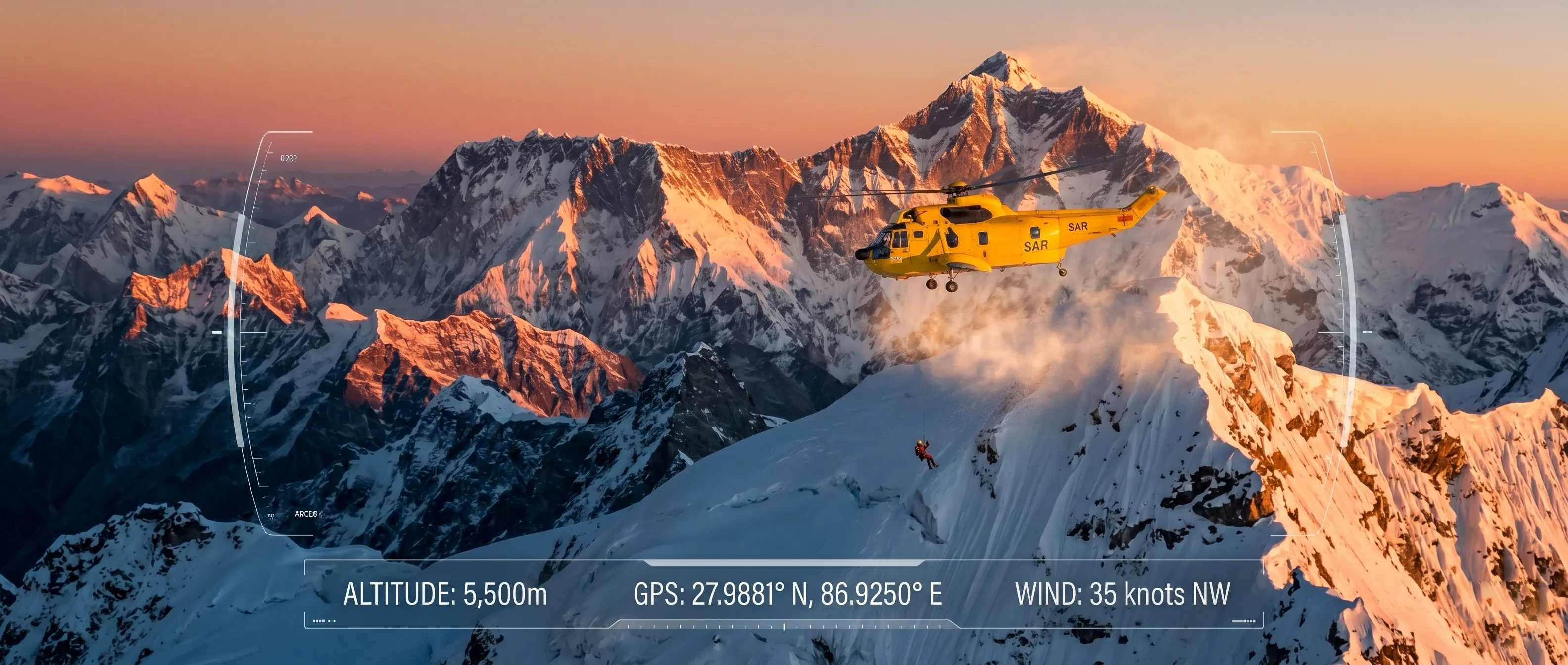
Most adventure travel rejections in 2026 are not due to the activity itself, but because the traveler crossed a technical “Grade” or “Altitude” threshold without the correct rider. Standard policies often cap trekking at 3,000m and scuba diving at 18m, leaving high-altitude mountaineers and advanced divers personally liable for six-figure evacuation costs. Securing a “Tier-4” activity clearance is the only way to ensure that Search & Rescue (SAR) and specialized medical care are fully indemnified.
🚀 Key Takeaways
- The 3,000m Ceiling: Most retail policies exclude all medical and evacuation claims once you step above 3,000 meters in altitude.
- SAR vs. Medevac: Standard insurance covers the hospital flight (Medevac) but often excludes the cost of finding you in the wilderness (Search & Rescue).
- Grade 4 Clearance: In 2026, “extreme” sports like skydiving or Grade IV rafting require specific Tier-4 activity riders to be valid.
Our analysis is based on 2026 underwriting standards from World Nomads and Allianz Global Assistance. We also audited technical evacuation benchmarks from the IATA Travel Health Portal and GEOS Safety Services.
The Technical Reality of Activity Grading
In 2026, insurers categorize adventure sports into four distinct “Risk Grades” to determine if your coverage is active or void. For an adventure enthusiast, the danger lies in assuming “Trekking” is a universal term. A policy covering Grade 1 hiking (marked trails) will automatically self-terminate if you engage in Grade 4 mountaineering involving technical gear like crampons or ice axes.
Search & Rescue vs. Medical Evacuation
The most common financial disaster for adventurers is the decoupling of Search & Rescue (SAR) from Medevac. SAR covers the logistical cost of locating you—helicopters, ground teams, and drones. Medevac only covers the flight from a stabilized location to a hospital. Without a specific SAR limit of at least $100,000, you may be rescued but left with a massive private bill for the search operation itself.
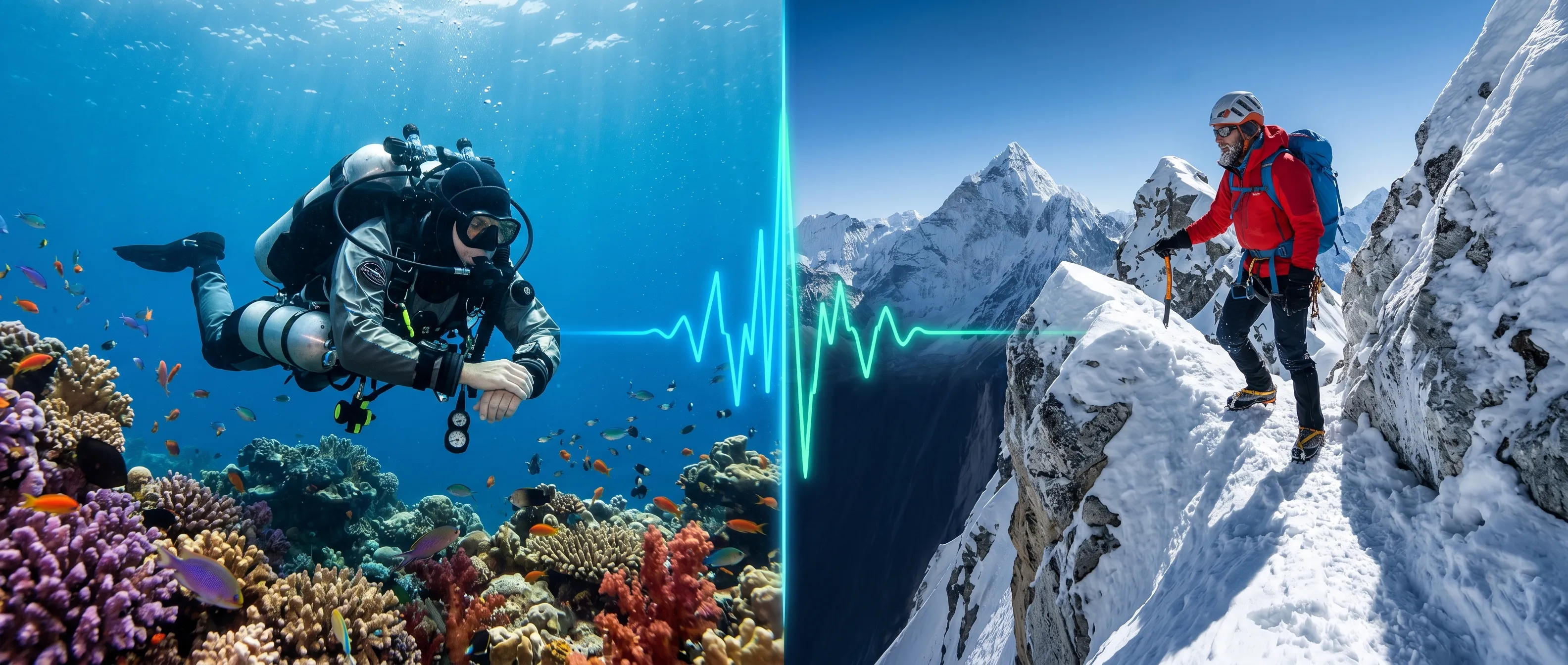
The Activity Grade Hierarchy
Underwriters now use real-time data to adjust premiums based on the technicality of your trip. Grade 3 activities, such as scuba diving down to 30m, usually require an “Adventure Plus” add-on. Grade 4 activities, including base jumping or solo climbing, often require bespoke high-risk underwriters rather than retail travel insurance.
The Elevation and Depth Trap
Altitude and water depth are the two primary metrics insurers use to trigger automatic claim denials. In 2026, the “Standard Altitude Trigger” is set at 3,000 meters. If you suffer from Acute Mountain Sickness (AMS) at Everest Base Camp (5,364m) while on a 3,000m-capped policy, your insurer is contractually obligated to deny the claim entirely.
Mandatory Metric Benchmarks
To protect your finances, your policy must align with the specific technical limits of your destination. For instance, a rescue from above 5,000m in the Himalayas can range from $6,000 to $18,000 USD depending on the route. Ensure your “Adventure Rider” specifically covers the maximum altitude of your trek.
| Metric Type | Standard Policy Limit | Adventure Rider Target |
|---|---|---|
| Altitude Ceiling | 3,000 Meters | 6,000 Meters+ |
| Diving Depth | 18 Meters (OWD) | 30-40 Meters (AOWD) |
| SAR Sub-limit | Not Included | $100,000 Minimum |
| Medevac Limit | $50,000 | $250,000+ |
| Risk Classification | Grade 1-2 | Level 4 (Extreme) |

The “Professional” Athlete Exclusion
"Most adventurers don't realize that any form of sponsorship or competition can void a policy. Participating in an organized race can classify you as a Professional, triggering a total exclusion of medical benefits."
Determining Your Required Protection
The decision between a standard policy and a specialized adventure rider depends entirely on your highest planned activity grade and geographic isolation. If your itinerary includes a remote trek or a dive beyond recreational limits, a retail “Gold” or “Platinum” plan is structurally insufficient.
- If you are trekking above 4,000m or diving beyond 30m: Then you must purchase a dedicated “Extreme Adventure” rider or a standalone policy from a provider like GEOS.
- If you are participating in a local organized race: Then verify the “Professional/Competition” clause, as most standard policies exclude any activity with a starting gun.
Pros
- ✅ Includes helicopter heli-extraction
- ✅ Covers technical gear loss
- ✅ Explicitly covers high-altitude sickness (HAPE/HACE)
Cons
- ❌ Premiums are 2x to 4x higher
- ❌ Requires detailed itinerary disclosure
- ❌ Higher deductible for high-risk zones
Frequently Asked Questions
01 Does travel insurance cover high-altitude trekking?
Standard policies usually cap trekking at 3,000 meters. For higher altitudes like Kilimanjaro or Everest Base Camp, you must purchase a specialized 'Extreme Adventure' rider to ensure medical and evacuation coverage.
02 What is the difference between SAR and Medevac?
Search and Rescue (SAR) covers the cost of finding you in a remote area. Medical Evacuation (Medevac) only pays for your transportation from a medical facility to a more advanced hospital.
03 Is scuba diving included in travel insurance?
Most policies cover recreational diving up to 18 meters. For deeper dives (up to 30m or 40m) or cave diving, you require an 'Adventure Plus' add-on and valid diver certification.
04 Why was my adventure claim denied?
Claims are typically denied because the activity exceeded the policy's 'Activity Grade' or 'Altitude Limit.' If you engage in technical climbing on a leisure-rated policy, coverage is automatically voided.
05 Does insurance cover helicopter rescues?
Helicopter rescues are only covered if your policy includes a 'Search and Rescue' rider and the evacuation is deemed 'medically necessary' by the insurer's 24/7 emergency assistance team.
06 How much SAR coverage do I need?
For remote trekking or mountaineering, a minimum of $100,000 in Search and Rescue coverage is recommended. Helicopter operating costs in regions like the Himalayas or Andes can exceed $10,000 per hour.

Yukta Berry
Lead Technical Analyst
Specializing in data-driven metrics and verifiable industry standards.