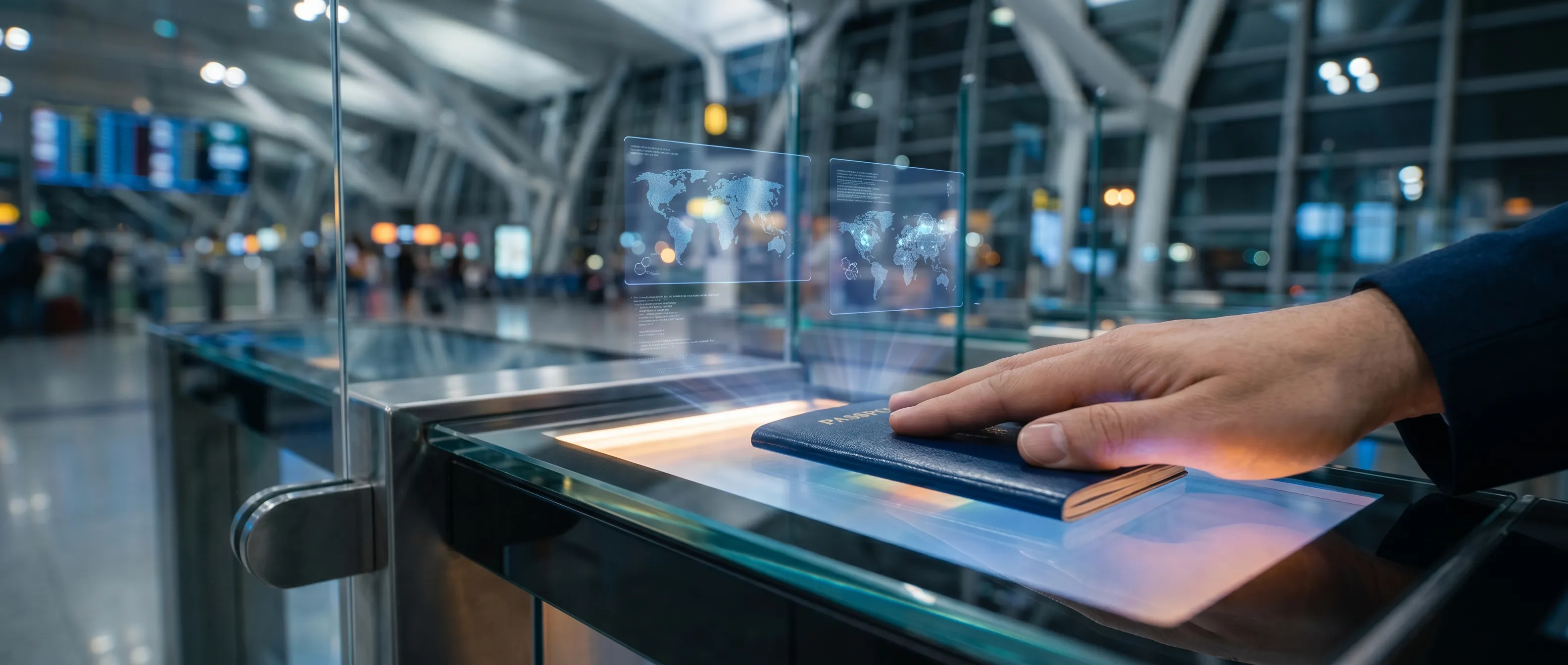

The 2026 Tourist Visa Audit: Navigating AI Screening & Biometric Entry
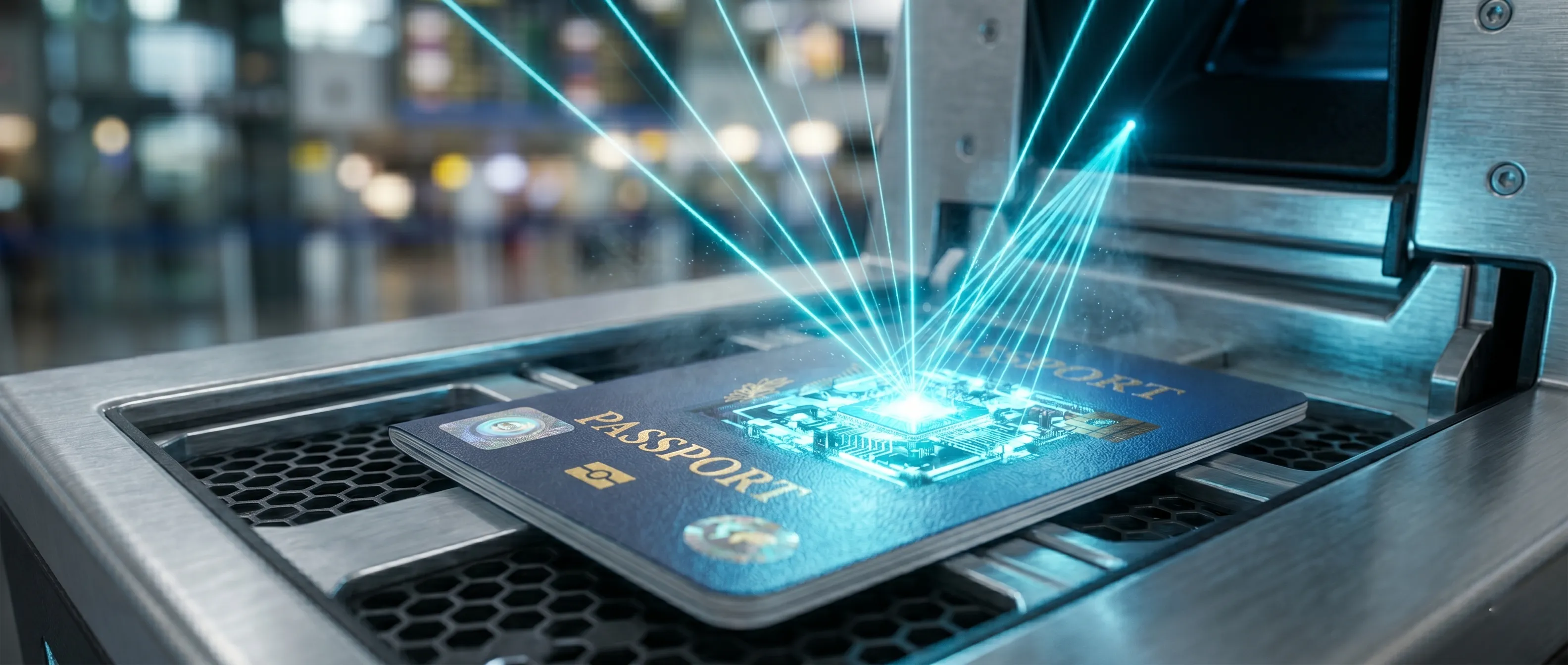
The full operational launch of the EU’s Entry/Exit System (EES) on April 10, 2026, has fundamentally altered the global definition of a tourist visa. Passport stamps have been permanently replaced by a centralized digital biometric profile that tracks every movement across 29 Schengen countries in real-time. For travelers, the “documentation” phase now begins 72 hours before arrival, as AI-driven pre-screening tools at major consulates analyze your digital footprint to flag inconsistencies before a human ever reviews your file.
🚀 Key Takeaways
- Biometric Supremacy: Facial images and fingerprints are now the primary travel document; physical stamps are obsolete as of April 2026.
- Algorithmic Vetting: The US now mandates a 5-year social media history for expanded categories (K, R, H-3, etc.), using AI to detect “Stealth Nomad” intent.
- The 72-Hour Window: Vital digital proof-of-funds and biometric pre-enrollment must be completed via official apps at least three days prior to travel.
This audit synthesizes live 2026 data from the European Commission’s Migration Portal, the US Department of State’s updated screening guidelines effective March 30, 2026, and current processing benchmarks from global mobility hubs like New Delhi and Abu Dhabi.
The Digital Twin: Biometric Verification and EES Flow
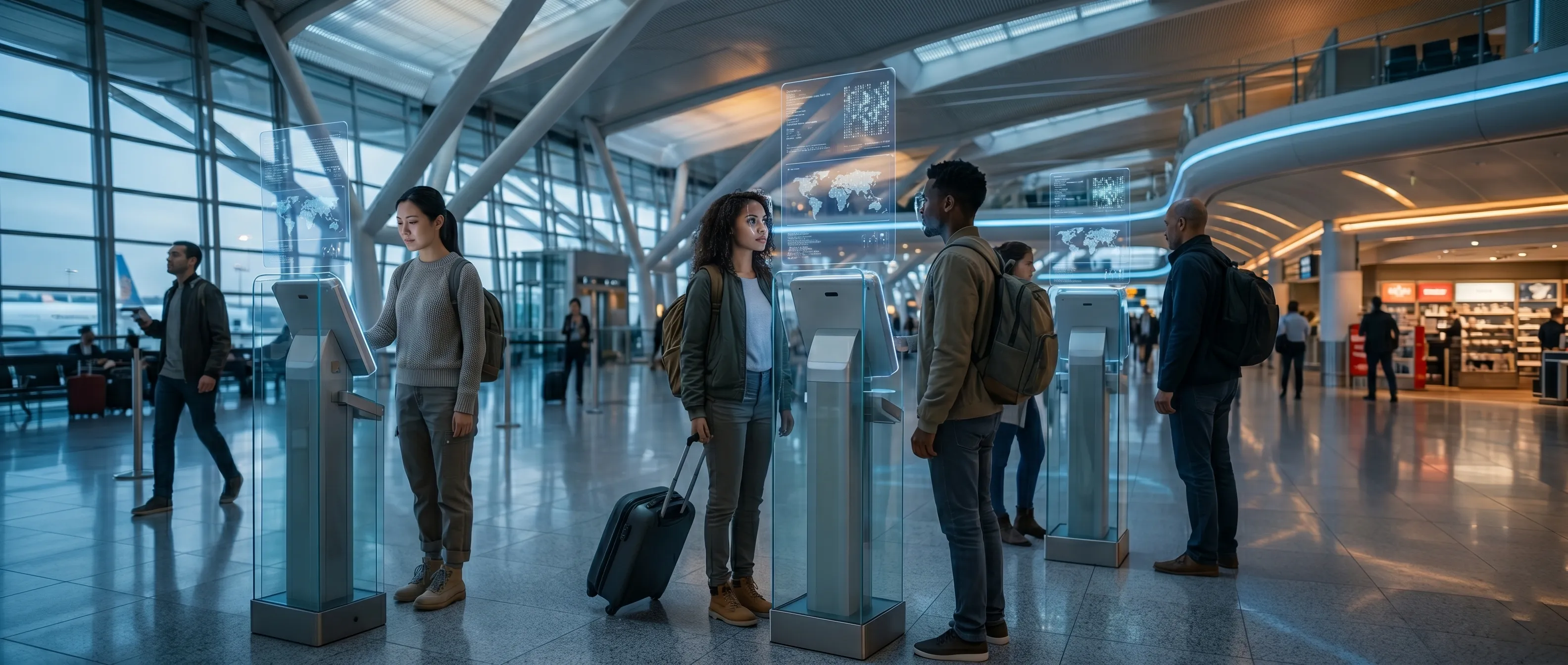
The April 2026 hard deadline for the Entry/Exit System (EES) means your physical passport is now merely a secondary key to your “Digital Twin” stored in the EU-LISA database. Upon your first entry into the Schengen Area this year, you are required to provide four high-resolution fingerprints and a 3D facial scan at an automated kiosk. This data is valid for 59 months and serves as your invisible permit, making it impossible to “reset” the 90/180-day clock by switching passports or utilizing manual border crossings.
Identity Fraud Detection in 2026
The EES uses sophisticated pattern recognition to combat document fraud. In early 2026, the system successfully identified over 27,000 entry refusals, including individuals attempting to enter with multiple identities. For travelers, this means that even a minor name discrepancy between your flight booking and your passport can trigger an “Identity Lock” that requires manual consular intervention.
The Rise of E-Visa Ubiquity
Following the EU’s lead, the UK has completed its transition to full E-Visas, and the US has expanded its “Barcode-First” policy. Physical stickers are rapidly being replaced by digital tokens linked to your biometric identifier. If your biometric data is not pre-synced with your airline’s carrier interface, you will be denied boarding at the gate, regardless of your physical visa paperwork.
Financial Forensic Requirements in 2026
Standard “proof of funds” has evolved from simple bank letters into a mandatory 6-month digital forensic audit. Consulates now utilize Open Banking protocols or secure QR-coded statements to verify that your income is stable and not “seeded” by a one-time loan. For those targeting high-demand zones, the financial floor has shifted significantly to account for 2026 inflation and social security protection costs.
The 180-Day Liquidity Rule
Embassies now demand a minimum of 180 days of continuous financial history. Any large deposit made within 30 days of the application that does not have a verifiable source (e.g., a salary slip or asset sale) is automatically flagged by AI adjudicators as a “high-risk bond” violation, leading to immediate rejection without a refund.
| Region / Visa Type | Min. Daily Liquidity | Savings Floor (Single) | Medical Coverage Floor |
|---|---|---|---|
| Schengen (EES/ETIAS) | €100 - €120 | €6,000 | €30,000 |
| US (B1/B2) | $150 - $250 | $10,000 | Recommended |
| Thailand (DTV/Tourist) | N/A | $13,600 (Savings) | Mandatory |
| UAE (5-Year Multi) | N/A | $4,000 (Last 6 Mo) | Mandatory |
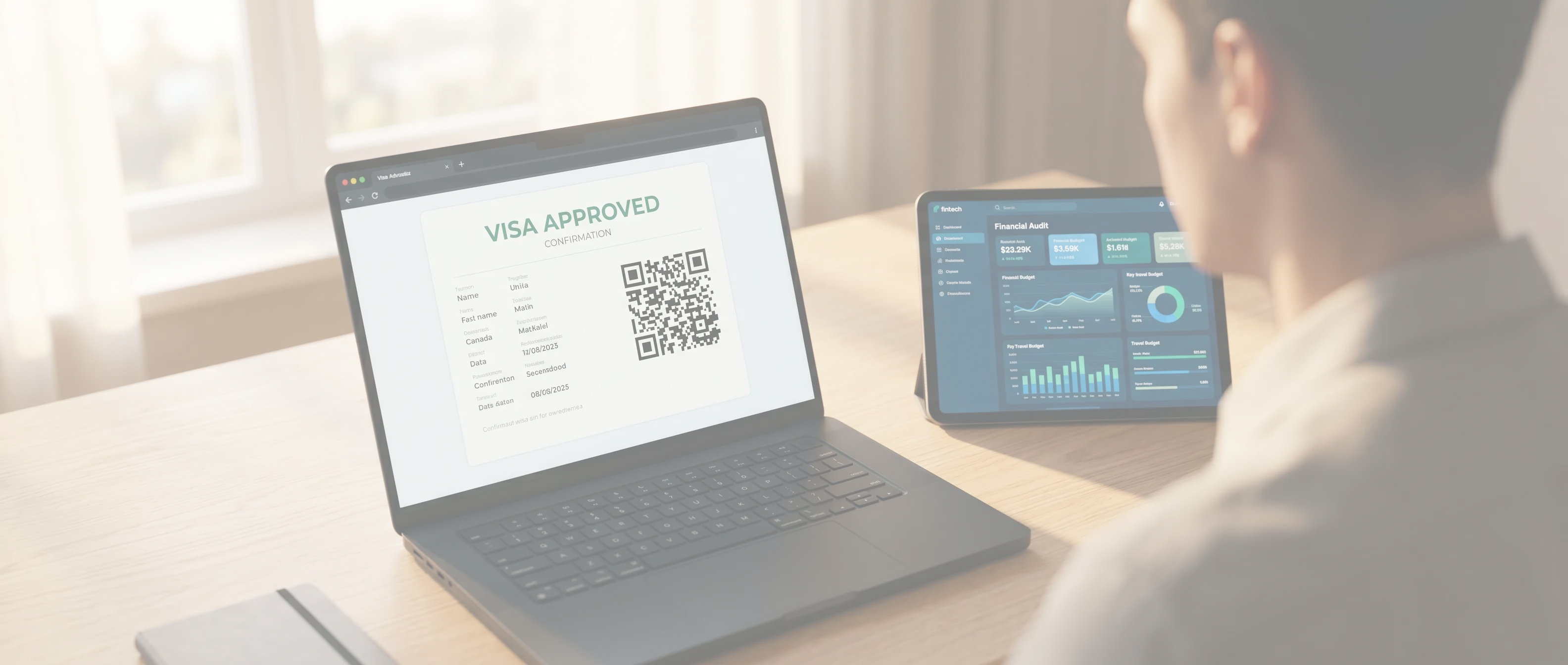
Information Gain: The AI Pre-Screening Trap
The most significant “hidden reality” of 2026 visa rules is the mandatory 5-year social media and digital footprint audit. Effective March 30, 2026, the US Department of State expanded its vetting to include a wide array of non-immigrant categories. If your LinkedIn profile lists you as a “Location Independent Founder” while you apply for a “B1/B2 Tourist Visa,” the AI will flag a “Contradictory Intent” alert.
"The biggest mistake travelers make in 2026 is assuming their digital life is private. AI adjudicators now cross-reference your declared 'Tourism' intent against public professional profiles. If you appear to be moving your life or business to a destination on a tourist permit, your biometric profile will be blacklisted."
The 2026 Global Entry Verdict
Success in the current visa environment depends on digital consistency. If your biometric data, financial QR codes, and social media presence align with your stated travel purpose, approvals are now faster than ever—often processed in under 48 hours for e-visas. However, any mismatch results in an “Administrative Processing” hold that can last up to 14.5 months (currently seen in Abu Dhabi).
Pros
- ✅ Rapid transit via biometric gates; no more lost passport pages
- ✅ E-visas are now issued in <48 hours for 60+ countries
- ✅ Real-time tracking of overstay risks prevents accidental illegal stays
Cons
- ❌ Massive data privacy concerns regarding 3D facial scans
- ❌ Automated rejections with limited human appeal for AI flags
- ❌ Extreme scrutiny of 5-year social media history
Frequently Asked Questions: 2026 Border Protocols
Frequently Asked Questions
01 What is the EES and does it affect me?
The Entry/Exit System is a digital database tracking non-EU nationals. If you travel to the Schengen Area in 2026, your fingerprints and face are recorded at the border, replacing stamps.
02 How much money do I need for a tourist visa?
Most countries now require proof of €100-€150 per day of stay. You must provide 6 months of digital bank statements with a clear, consistent income stream to avoid AI flags.
03 Is social media really checked for visas?
Yes. As of March 2026, many consulates use AI to scan 5 years of social media handles. They look for intent discrepancies, such as remote work plans on a tourist application.
04 Can I still get a physical passport stamp?
No. Passport stamps were officially phased out by the EU on April 10, 2026. All entries and exits are now recorded digitally and linked to your biometric passport and face.
05 What is the 72-hour pre-upload rule?
Many visa systems now require you to upload your digital proof-of-funds and health declarations at least 72 hours before arrival. Failure to do so can result in denied boarding.
06 What is the minimum travel insurance for 2026?
For the Schengen Area and many Asian hubs, the minimum medical coverage floor is €30,000. It must specifically include repatriation and emergency hospital stays for the entire visit duration.

Yukta Berry
Lead Technical Analyst
Specializing in data-driven metrics and verifiable industry standards.