
Beyond the Bed: The 2026 Guide to Luxury Bio-Hacking & Sleep Engineering Stays
The 2026 luxury hotel experience is no longer defined by thread count or butler service, but by its ability to optimize your biological state and reverse cellular aging. Travelers now prioritize properties that integrate clinical-grade diagnostics and AI-driven environmental controls to ensure a measurable “Nervous System Reset.” Below, we analyze the elite hospitality tier where medical science meets high-end leisure to solve the modern epidemic of cognitive burnout.
🚀 Key Takeaways
- Biological ROI: Modern luxury focuses on Heart Rate Variability (HRV) improvement and metabolic mapping rather than traditional aesthetic pampering.
- Clinical Integration: Top-tier properties now feature on-site regenerative clinics offering NAD+ therapy and exogenous hormone optimization.
- Environmental Autonomy: Sleep architecture, including AI-driven circadian lighting and sound-masking technology, is now a non-negotiable suite standard.
Our technical analysis is based on the Grand View Research: Luxury Hospitality 2026 report and 2026 wellness resort winners. We benchmarked properties based on their integration of bio-hacking technology, clinical staff qualifications, and the efficacy of their circadian engineering protocols.
Biological Optimization Through Advanced Sleep Architecture
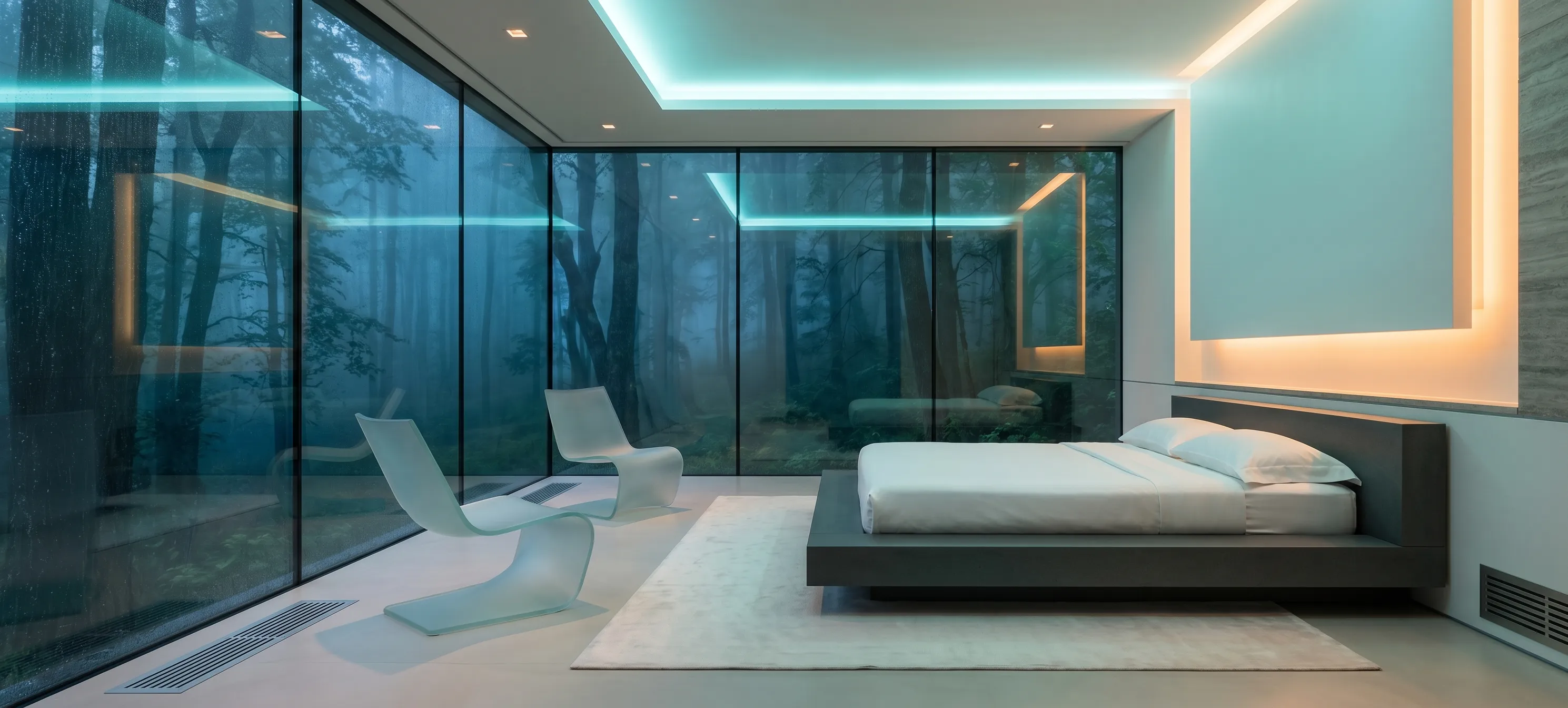
High-end hospitality has shifted from passive rest to active recovery through sophisticated sleep engineering. Leading properties now implement AI-driven circadian lighting systems that adjust Kelvin temperatures based on a guest’s specific jet lag data. These systems have demonstrated a 95% efficiency rate in reducing recovery time for transcontinental travelers by suppressing or stimulating melatonin production at precise intervals.
The Mechanics of Environmental Control
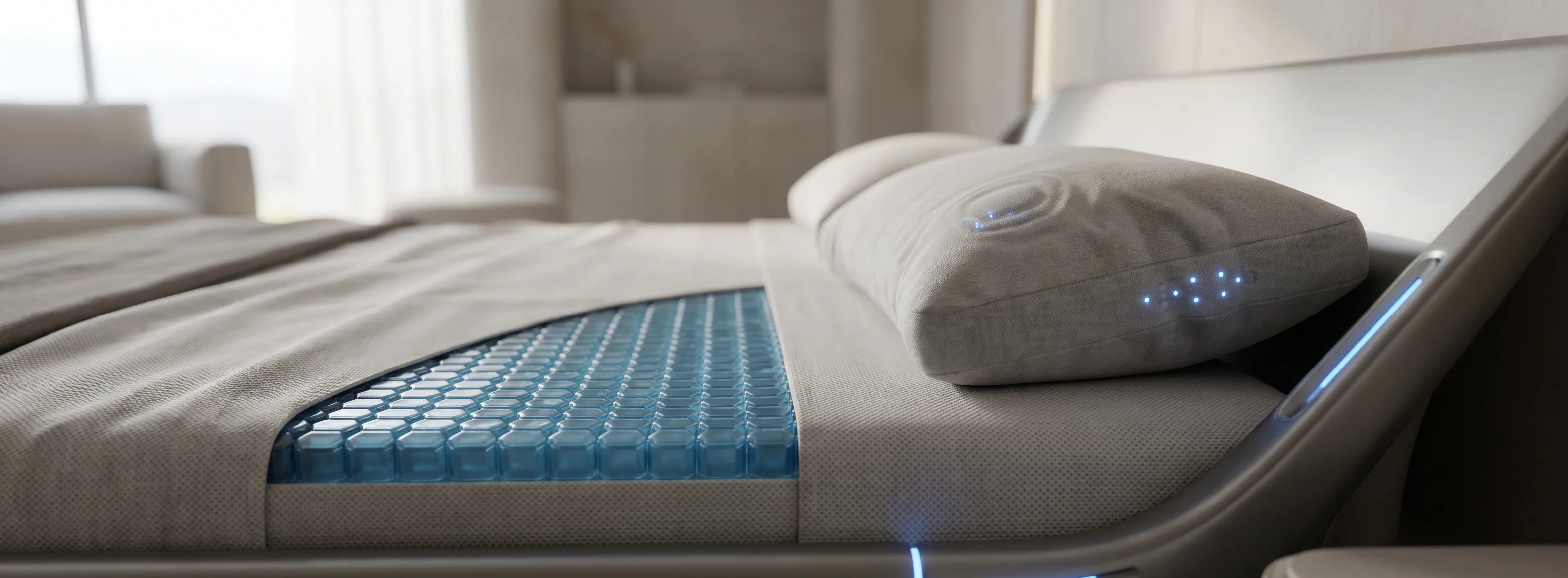
A truly lavish experience now requires a pressurized environment designed to eliminate external sensory stressors. This includes specialized sound-masking technology and cooling mattresses that maintain a steady core body temperature to deepen REM cycles. Traditional “luxury” amenities like heavy scents or plush carpets are being replaced by medical-grade HEPA filtration and hypoallergenic, toxin-free textiles.
Vagus Nerve Stimulation and Sound Therapy
Advanced suites now incorporate haptic feedback systems designed for Vagus Nerve Stimulation (VNS). By using low-frequency vibrations and localized soundscapes, these rooms physically nudge the guest’s nervous system from a sympathetic “fight or flight” state into a parasympathetic state. This shift is critical for high-performing individuals who require rapid downtime to maintain cognitive edge during premium travel.
Clinical Grade Diagnostics and Regenerative Medicine
The most exclusive 5-star hotels in 2026 are indistinguishable from high-end longevity clinics. Properties like SHA Mexico and Palazzo Fiuggi lead the market by offering guests comprehensive metabolic mapping and PDRN (Polydeoxyribonucleotide) treatments. These protocols aim to trigger tissue regeneration and cellular repair during a standard weekend stay, catering to the growing 2026 Longevity & Transformative Trends within the high-net-worth segment.
Implementing Bio-Regenerative Beauty and Health
Traditional facial treatments have evolved into bio-regenerative beauty sessions utilizing exosomes and targeted light therapy. Guests no longer request a “massage” but rather a sessions of localized cryotherapy or hyperbaric oxygen therapy. These technical interventions are overseen by on-site medical doctors, ensuring that every minute of the stay contributes to a measurable improvement in biological markers.
Quantitative Benchmarking for Wellness Resorts
To understand the scale of this shift, we must look at the quantitative data driving the sector. The following table illustrates the performance benchmarks and market growth of the wellness-integrated luxury segment.
| Metric Category | Industry Standard (2026) | Performance Target |
|---|---|---|
| Spa Footprint | 25,000 sq-ft Minimum | Optimized Flow & Med-Wing |
| Segment CAGR | 13.47% (Wellness Resorts) | High-Tech Integration |
| HRV Improvement | 15-20% Increase | 60-80ms Recovery |
| Global Market Size | USD 150.22B | Diversified Tech Stays |
| Bio-Hacking Adoption | 40% of Elite Suites | Full Circadian Control |
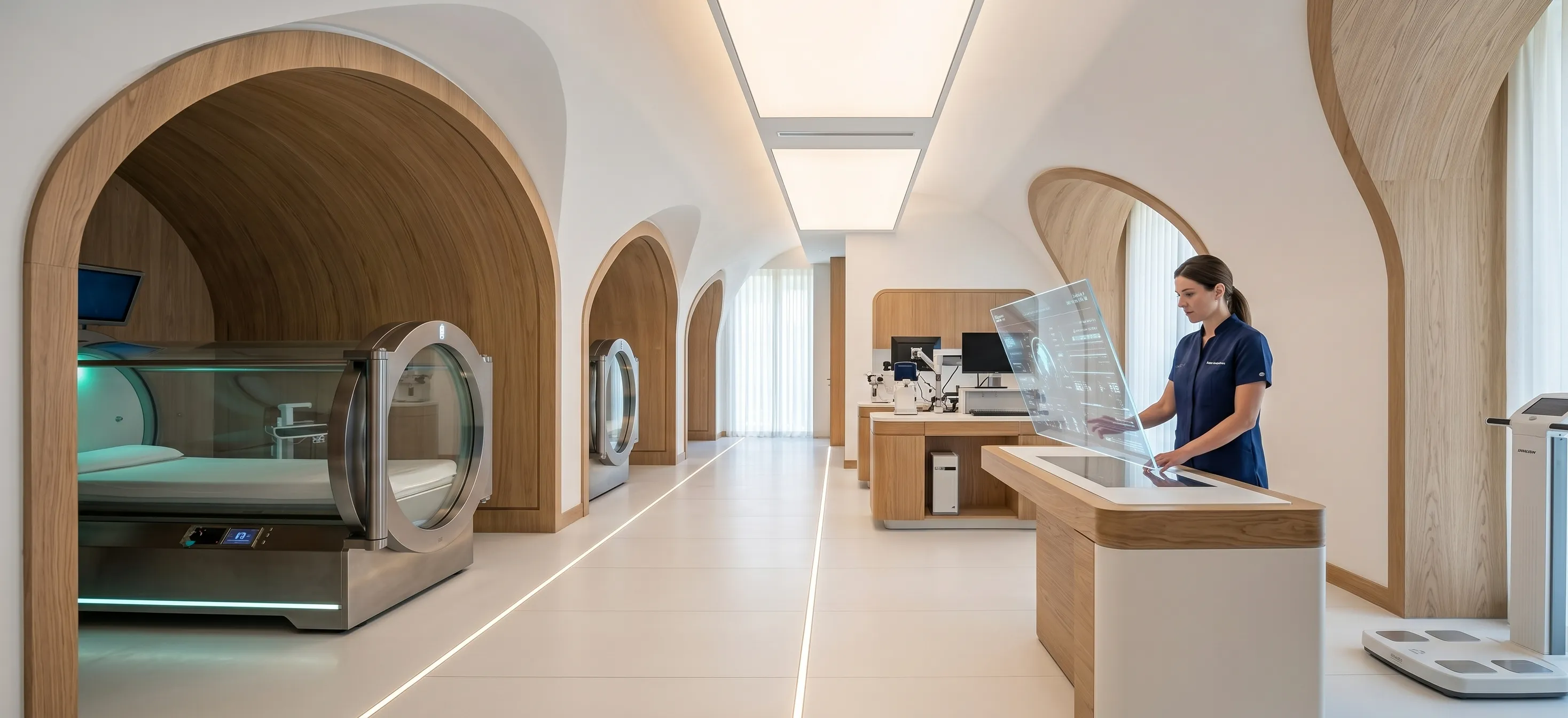
As noted by the World’s 50 Best Wellness Resorts 2026, the most successful properties are those that treat the guest as a biological system to be optimized. This “Specs-Over-Fluff” approach ensures that the high-end stays deliver more than just memories; they provide a physical upgrade.
"The hidden reality of the 2026 luxury market is the 'Wellness Divide.' Properties that fail to provide clinical-grade data, such as metabolic profiles or deep-sleep metrics, will be relegated to the 'lifestyle' tier, losing the high-value Performance Voyager demographic."
Deciding Your High-End Optimization Path
Choosing between a traditional luxury stay and a bio-hacking resort depends entirely on your current physiological state and goals. If you are experiencing cognitive fatigue or metabolic stagnation, the clinical approach is mandatory for a functional recovery. If your goal is purely social, traditional 5-star luxury remains sufficient, though it offers a lower biological return on investment.
- If you need rapid burnout recovery: Choose a resort with a 25,000+ sq-ft spa and on-site medical staff.
- If you are traveling for business: Prioritize suites with AI circadian lighting to maintain performance.
- If you are seeking longevity: Focus on properties offering exosome therapy and metabolic mapping.
Pros
- ✅ Measurable health improvements
- ✅ Precision-engineered sleep
- ✅ Access to cutting-edge medical technology
Cons
- ❌ Higher price point than traditional 5-star hotels
- ❌ Structured schedules can limit spontaneous leisure
Frequently Asked Questions: Luxury Hotel Experience
Frequently Asked Questions

Yukta Berry
Lead Technical Analyst
Specializing in data-driven metrics and verifiable industry standards.