
The Frontier Solivagant: Mastering Emerging Solo Destinations in 2026
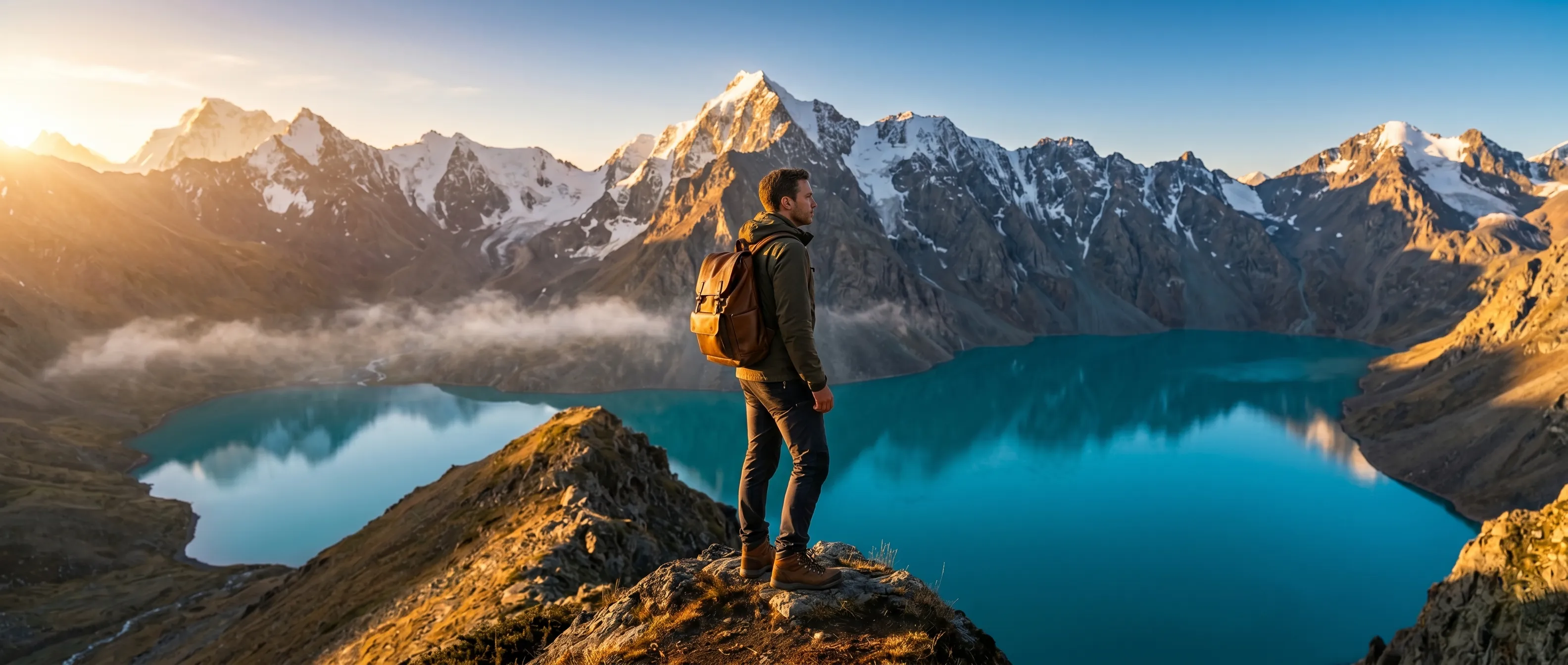
Solo travel in 2026 is shifting away from hyper-commercialized hubs toward “Frontier Destinations” like Kyrgyzstan, Oman, and Georgia, where safety metrics and infrastructure now support independent adventure. For the adventure minimalist, these regions offer the highest cultural-to-cost ratio, allowing for deep immersion without the overcrowding of Western Europe. This guide identifies the specific safety protocols, transit nodes, and emerging hotspots for travelers seeking authentic solitude without compromising security.
🚀 Key Takeaways
- The Central Asian Pivot: Kyrgyzstan has overtaken traditional Alpine routes as the 2026 leader for solo adventure travel, offering meal costs averaging just $6 (£4.50).
- The Security Arbitrage: Despite regional tensions, Oman and Georgia maintain high safety rankings, with Georgia offering a unique 365-day residency privilege for solo nomads.
- Infrastructure Parity: Major upgrades in digital connectivity, including Georgia’s 5G rollout and Kyrgyzstan’s “Nomad Hubs,” have reduced the solo “logistics tax” by an estimated 25%.
Data was synthesized from the 2026 Solo Travel Index by Much Better Adventures, current US Department of State Travel Advisories, and 2026 booking trends. Safety metrics were verified against the Global Peace Index (GPI) and local crime reports current as of April 2026.
Technical Security and Infrastructure in Frontier Nodes
Frontier solo travel relies on “Infrastructure Parity,” where digital connectivity and safety standards meet Western expectations despite a destination’s remote aesthetic. In 2026, countries like Oman and Georgia have achieved this equilibrium by prioritizing high-speed mobile networks and streamlined visa-free policies. For a solo traveler, this reduces the “Cognitive Load”—the mental energy spent on basic survival logistics—allowing more focus on the experience itself.
The Rise of the “Nomad Visa” Buffer
The implementation of the 365-day residency rule in Georgia and the increasing accessibility of Kyrgyzstan for independent travelers have created a permanent community of solo professionals. This “Digital Buffer” means that solo travelers in 2026 rarely find themselves truly isolated; instead, they operate within a network of vetted guesthouses and community-driven transit. According to 2026 metrics, this community-driven infrastructure has established Kyrgyzstan as the leading destination for “micro-expeditions.”
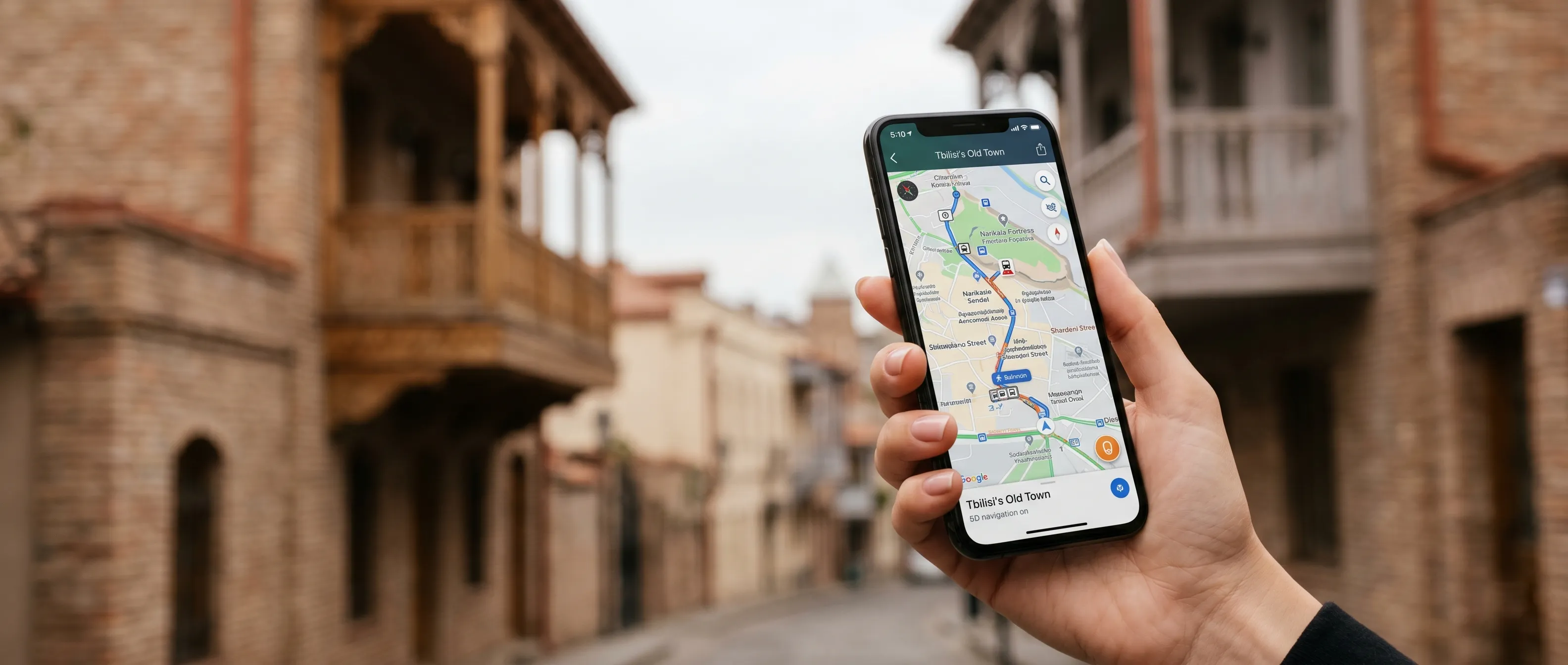
Mobile and Payment Connectivity
Connectivity is no longer a luxury but a critical safety tool. Georgia’s 5G rollout and Kyrgyzstan’s focus on “Nomad Hubs” ensure that solo hikers have access to real-time maps and emergency services in areas like the Ala-Kul pass. Furthermore, while the economy remains cash-heavy in some regions, the adoption of contactless payments in urban centers like Nizwa and Tbilisi has eliminated much of the “Cash Risk” historically associated with solo frontier travel.
Comparative Data for Solo Frontier Destinations
Engineering a successful solo journey requires a clinical analysis of “Friction Metrics”—the cost, safety, and accessibility variables that define a trip’s success. The following data highlights the 2026 leaders for adventure minimalists according to the latest industry benchmarks.

Solo Destination Efficiency Matrix
| Destination | Solo Index Rank | Median Meal Cost | Stay Privilege | Key Focus |
|---|---|---|---|---|
| Kyrgyzstan | 1st Overall | $6.00 | 60-Day Entry | Mountain Adventure |
| Italy | 2nd Overall | $22.00 | 90-Day (Schengen) | Rail Connectivity |
| Japan | 3rd Overall | $18.00 | 90-Day Entry | Safety & Culture |
| Georgia | Top 25 | $8.00 | 365-Day Residency | Digital Nomadism |
The “Cold Frontier” and Cultural Immersion Loopholes
A contrarian take for 2026 is the “Return of the Cold Frontier,” where solo travelers seek remoteness in places like the Kyrgyz Steppes over tropical hubs. This shift is driven by a desire for “meaning, not mileage,” where the difficulty of the landscape acts as a filter against mass tourism. For the adventure minimalist, these regions provide a “Solitude Surplus”—a high volume of authentic local interaction because tourists are sparse.
Navigating the 2026 World Nomad Games
The 6th World Nomad Games, returning to Kyrgyzstan from August 31 to September 6, 2026, have catalyzed the development of “Yurt Infrastructure” around Lake Issyk-Kul. These are not just aesthetic tents but modern, solar-powered units with reliable satellite internet. Solo travelers can now inhabit these “Cultural Nodes” in Cholpon-Ata to experience ancient traditions with the security of 2026 tech standards.
Geo-Arbitrage in the Middle East
Oman provides a unique “Security Arbitrage” for solo travelers in 2026. While geopolitical tensions exist, Oman maintains a strong reputation for stability and safety. For solo women especially, Oman’s “Strict-but-Safe” social values provide an empowering environment where street-level harassment is statistically negligible compared to major Western transit hubs.
Final Verdict for the Adventure Minimalist
Strategic solo travel in 2026 is defined by the quality of the “Base Hub” rather than the number of landmarks visited. If you are a minimalist seeking deep immersion, your priority should be “High-Stability, Low-Volume” destinations like Georgia or Kyrgyzstan. If you prefer high-density social networks and traditional nightlife, these frontier nodes may feel too isolated.
Pros & Cons of Frontier Solo Travel
Pros
- ✅ Unmatched cultural authenticity
- ✅ Extremely low cost-per-day
- ✅ High safety-to-cost ratio
- ✅ Unique 'Net-New' travel stories
Cons
- ❌ Requires higher digital literacy
- ❌ Limited English in rural areas
- ❌ Higher physical demand for mountain/desert transit
"In 2026, the best solo travel destination is not a city, but a secure network of secondary hubs where the infrastructure is invisible but the safety is absolute."
Are you ready to map your 2026 solo expedition?
Use the Tripfeedz Solo Frontier Planner to verify the latest 2026 safety ratings and visa-free windows for your target destination.
Frequently Asked Questions: Solo Travel Destinations
Frequently Asked Questions
01 Why is Kyrgyzstan the top solo destination for 2026?
Kyrgyzstan offers a unique combination of Level 1 safety, world-class mountain scenery, and a growing nomad community. The 2026 World Nomad Games have also significantly upgraded local transit and lodging infrastructure.
02 Is Oman safe for solo female travelers in 2026?
Yes, Oman is consistently ranked among the world's safest nations. Its crime rate is exceptionally low, and Omani culture is famously hospitable and respectful, making it safer than many popular Western cities.
03 What are the benefits of the Georgian 365-day visa?
Georgia allows citizens of most Western nations to stay for a full year visa-free. This remains a premier residency privilege for solo travelers seeking to explore the Caucasus at a slow, economical pace.
04 How do I manage safety in off-the-grid areas?
In 2026, off-the-grid rarely means disconnected. Use 5G-enabled secondary hubs as your base and hire vetted local guides through community platforms to manage high-altitude or desert logistics safely.
05 What are Geo-Arbitrage Nodes in solo travel?
These are secondary cities with modern infrastructure (like Kutaisi or Nizwa) where the cost of living is significantly lower than the capital, but the safety and utility remain identical.
06 Should I rent a car as a solo traveler in Oman?
Renting a 4WD is highly recommended for solo travelers in Oman. The road network is excellent, fuel is affordable, and it provides complete control over your schedule and security in mountain regions.

Sarah Jenkins
Journey Logistics Boss
Engineering high speed travel routes for maximum global efficiency.