

Frictionless Horizons: 12 Must-Visit Destinations Redefining Global Travel in 2026

The shift in 2026 global travel logic prioritizes “Infrastructure-to-Friction” ratios, where destinations are selected based on biometric entry speed, predictive AI logistics, and verified safety benchmarks. While traditional tourism hotspots face increasing administrative hurdles, a new tier of destinations has emerged that eliminates the “vacation tax” of lost time and logistical stress. By targeting nations with high Global Peace Index rankings and integrated multi-modal transport, travelers can maximize cultural engagement while minimizing procedural friction.
Our 2026 selection protocol utilized the HelloSafe Global Attractivity Index to measure infrastructure reliability and BHTP 2026 Safety Rankings to verify traveler security. We cross-referenced these with the Official EU ETIAS Portal for the latest entry requirements.
🚀 Key Takeaways
- Logistical Leader: The Netherlands currently holds the #1 BHTP Safety Rank for 2026, driven by high-tech urban transit and health security.
- Biometric Speed: Digital Arrival Cards and Biometric Sensors now save an average of 90 minutes per international arrival at major hubs.
- Mandatory Compliance: The ETIAS authorization fee has been updated to €20 for all Schengen zone entries starting late 2026.
Navigating the 2026 Biometric Revolution
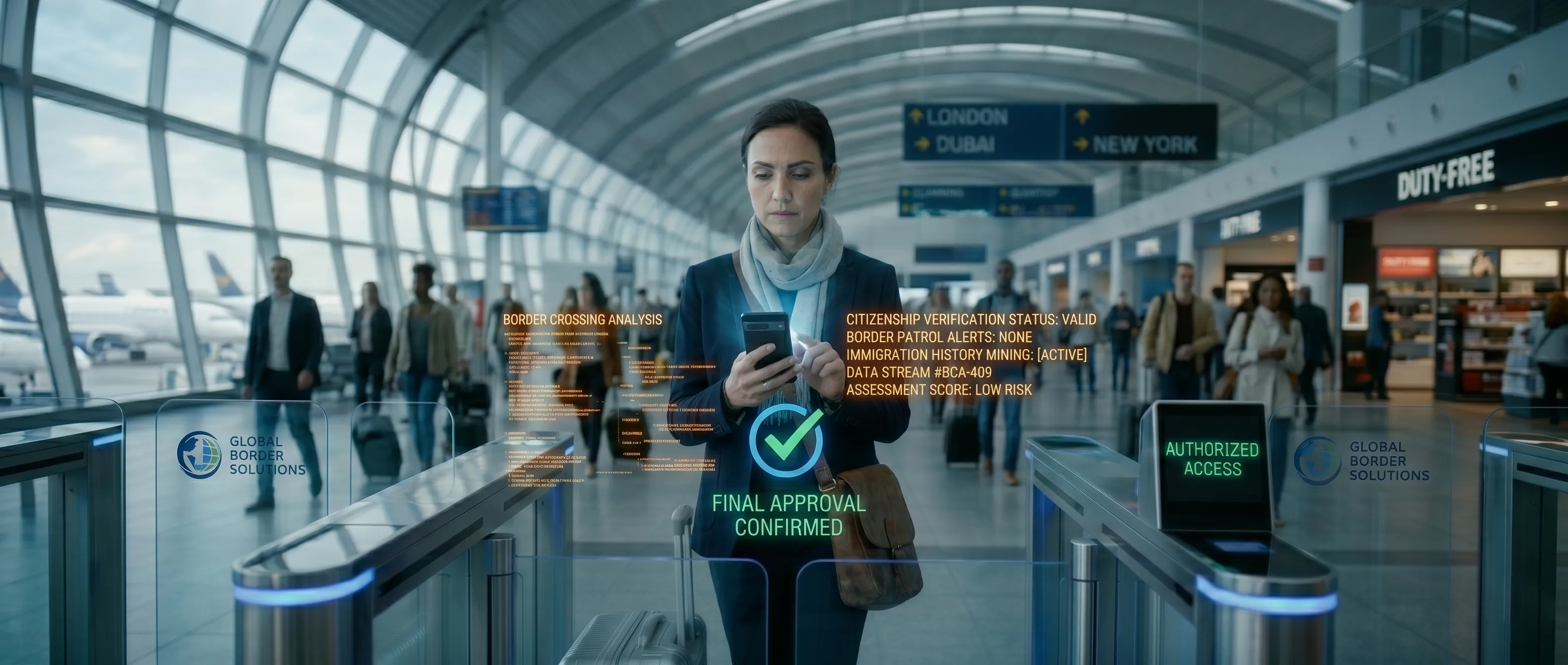
The implementation of “Biometric Corridors” across major international hubs has effectively removed the requirement for physical documentation at gate-level checkpoints. This technical evolution utilizes advanced facial recognition sensors linked to your digital travel authorization. As international arrivals reach 1.52 billion recorded globally, these corridors are the primary mechanism for maintaining sub-30-minute processing times for the modern frictionless nomad.
The Entry/Exit System (EES) and the subsequent ETIAS rollout have fundamentally altered the “Trust Flywheel” of global movement. By pre-clearing travelers through digital applications, nations can now predict arrival surges and adjust rail and shuttle logistics in real-time. This AI-predictive logic ensures that local transit systems are never overwhelmed, maintaining a seamless flow from the aircraft to the final destination hotel.
Understanding Technical Entry Barriers
Beyond the hardware, 2026 marks the era of the “Digital Arrival Card.” These mandatory forms are now integrated into airline apps, allowing for pre-cleared customs status before the wheels touch the tarmac. Notably, the UK Electronic Travel Authorization (ETA) fee has risen to £20 as of April 8, 2026, making technical compliance a budget-critical task.
The 2026 Frictionless Destination Audit
Identifying the premier world travel destinations requires a quantitative analysis of safety ranks against infrastructure reliability scores. Japan and the Netherlands continue to lead the global index, offering 92.1 reliability scores that guarantee near-perfect transit synchronization. For the nomad, these metrics represent more than just numbers; they are a guarantee of a stress-free experience where the logistics “just work.”
| Destination | Infrastructure Score | 2026 BHTP Safety Rank | Entry Friction Level |
|---|---|---|---|
| The Netherlands | 91.5 | #1 | Low (ETIAS €20) |
| Japan | 92.1 | #9 | Minimal (Visit Japan Web) |
| Australia | 88.4 | #2 | Moderate (NZeTA/ETA) |
| Iceland | 84.0 | #4 | Low (ETIAS €20) |
| Canada | 87.5 | #5 | Low (eTA Required) |
| Switzerland | 94.8 | #8 | Low (ETIAS €20) |
The Rise of Multi-modal Connectivity
Destinations like Switzerland and Norway have mastered the integration of rail, ferry, and air travel. This “Multi-modal Booking” architecture allows travelers to manage an entire cross-country itinerary within a single digital wallet. This eliminates the need for fragmented ticketing and provides real-time updates on delays or gate changes across all modes of transport.
Optimizing Transit via AI-Predictive Logistics
The integration of AI-predictive logistics has transformed the traditional tourism hotspot into a managed ecosystem of frictionless movement. These systems analyze real-time data from biometric sensors to reroute travelers toward less congested arrival halls. For the frictionless nomad, this means the end of “bottlenecking” at major landmarks, as smart-city infrastructure now distributes crowds based on current density metrics.
"The true measure of a 2026 destination isn't its aesthetic appeal, but the invisibility of its logistics. When technology manages the friction, the traveler is free to engage with the culture."
Managing Semantic Security Protocols
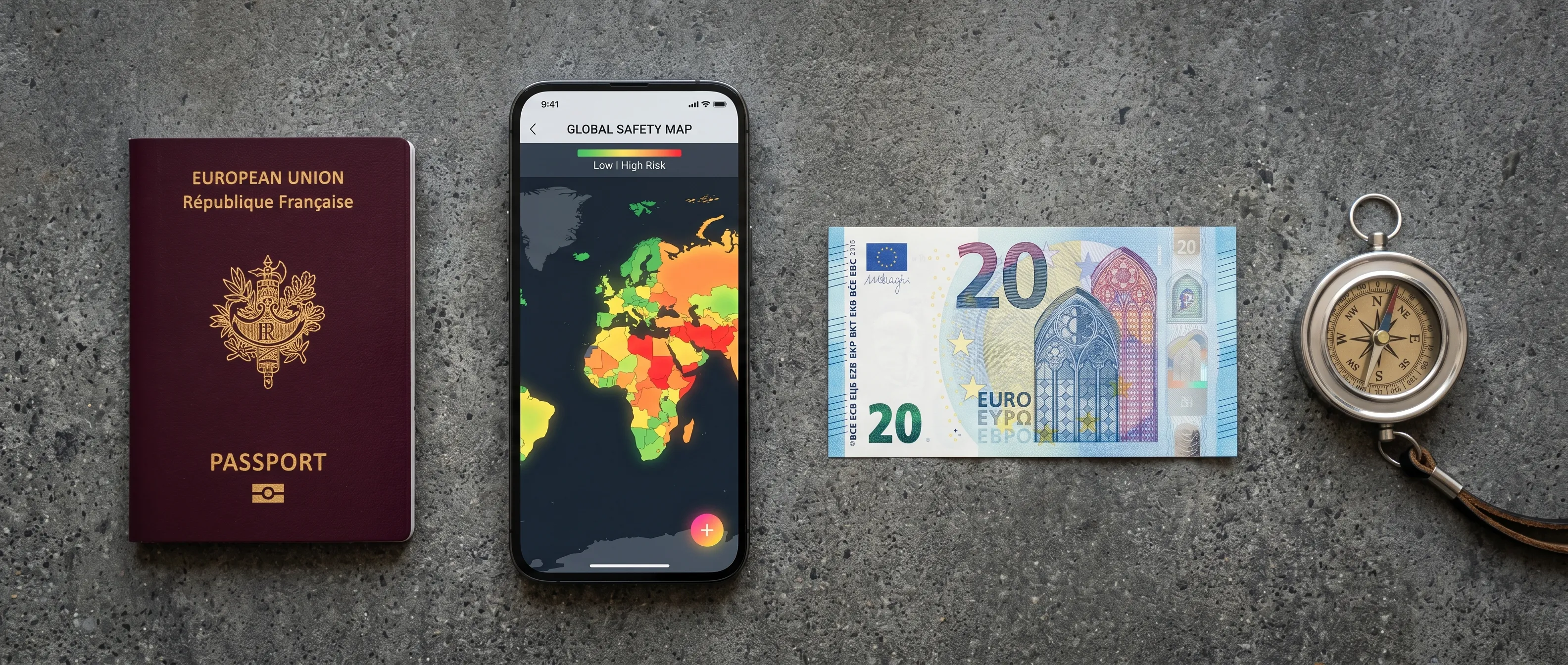
Travelers must now navigate Semantic Entities like the Global Peace Index and BHTP safety tiers when selecting their route. High-scoring nations utilize AI to monitor urban safety in real-time, providing travelers with live “safety corridors” via mobile apps. This level of technical oversight is becoming the standard for any destination claiming “must-visit” status in a post-2025 landscape.
Strategic Verdict for Global Exploration
The selection of your next destination should be a binary choice between high-infrastructure efficiency and emerging-market adventure. If your primary goal is the total elimination of travel friction, the European and East Asian hubs remain unchallenged. However, if you are willing to manage a moderate amount of digital paperwork for higher geographic ROI, the Pacific and Nordic corridors offer the best balance of safety and unique cultural exposure.
The 2026 Traveler’s Decision Matrix
- IF you require the world’s safest transit: THEN The Netherlands is your mandatory destination.
- IF you seek technical perfection and deep culture: THEN Japan remains the primary choice.
- IF you want document-free biometric movement: THEN Australia is the optimal 2026 corridor.
Pros
- ✅ Near-total elimination of airport queues via biometric pre-clearance.
- ✅ Real-time safety monitoring through integrated travel apps.
- ✅ Guaranteed transit reliability in high-infrastructure zones.
Cons
- ❌ Higher upfront administrative costs (ETIAS €20 / UK ETA £20).
- ❌ Strict adherence to digital-only entry protocols.
Frequently Asked Questions
01 What is the ETIAS authorization fee for 2026?
The ETIAS fee has officially increased to €20 as of late 2026. This mandatory digital authorization applies to all visa-exempt travelers entering the Schengen Zone, excluding minors and seniors.
02 Which country is currently ranked the safest for travel?
The Netherlands currently holds the #1 position in the 2026 BHTP safety rankings. It is recognized for its high health standards, urban safety, and inclusive environment for all traveler demographics.
03 How do biometric sensors speed up airport transit?
Biometric sensors automate identity verification by linking facial data to digital passports. This eliminates manual document checks, reducing average customs processing times by up to 90 minutes per arrival.
04 Is Japan still a top destination for infrastructure reliability?
Yes, Japan maintains a leading 92.1 infrastructure reliability score. Its national focus on AI-driven transit and sovereign compute capability ensures peak operational efficiency for 2026 international visitors.
05 What are the benefits of multi-modal booking platforms?
Multi-modal platforms integrate air, rail, and urban transit into a single digital itinerary. This provides real-time disruption updates and seamless ticketing, significantly reducing the logistical friction of complex trips.
06 Do I need a digital arrival card for Australia?
Yes, Australia requires all arrivals to submit a Digital Arrival Card. This system is integrated with biosecurity and customs protocols to enable faster, document-free entry through major biometric gates.

Elena Rostova
Destination Mastermind
Unlocking world wonders through relentless data driven site scouting.