
The Skill-Seeker’s 2026 Budget Map: 5 Global Hubs to Master New Crafts for Under $30/Day
Traveling the world in 2026 requires more than just finding a cheap bed; it demands a strategic “Skill-to-Spend” ratio where daily costs stay under $20 while you acquire high-value certifications. By targeting specific hubs in Southeast Asia and the Balkans, solo travelers can arbitrage local economic shifts to fund long-term stays through skill acquisition. This guide reveals the mechanical realities of modern budget travel, moving past “introductory pricing” into actual survival floor metrics.
🚀 Key Takeaways
- The $19.30 Floor: Nepal remains the global baseline for survival costs, provided you bypass tourist-heavy zones like central Thamel.
- Skill Arbitrage: Vietnam and Albania offer the highest ROI for technical skills like PADI diving and language immersion at 70% less than EU rates.
- Transit Volatility: Logistics costs in Laos have spiked by 25% due to 2026 import taxes, making fixed-rate “Furgons” in the Balkans a more stable bet.
Our 2026 Budget Index is built on raw data from the Nepal Department of Immigration and the Albanian Institute of Statistics. We filtered out affiliate-driven “suggested budgets” to focus on 150Mbps fiber-optic availability, 2026 visa-on-arrival fees, and official intercity transit rates.
Mastering the Asian Value Corridor
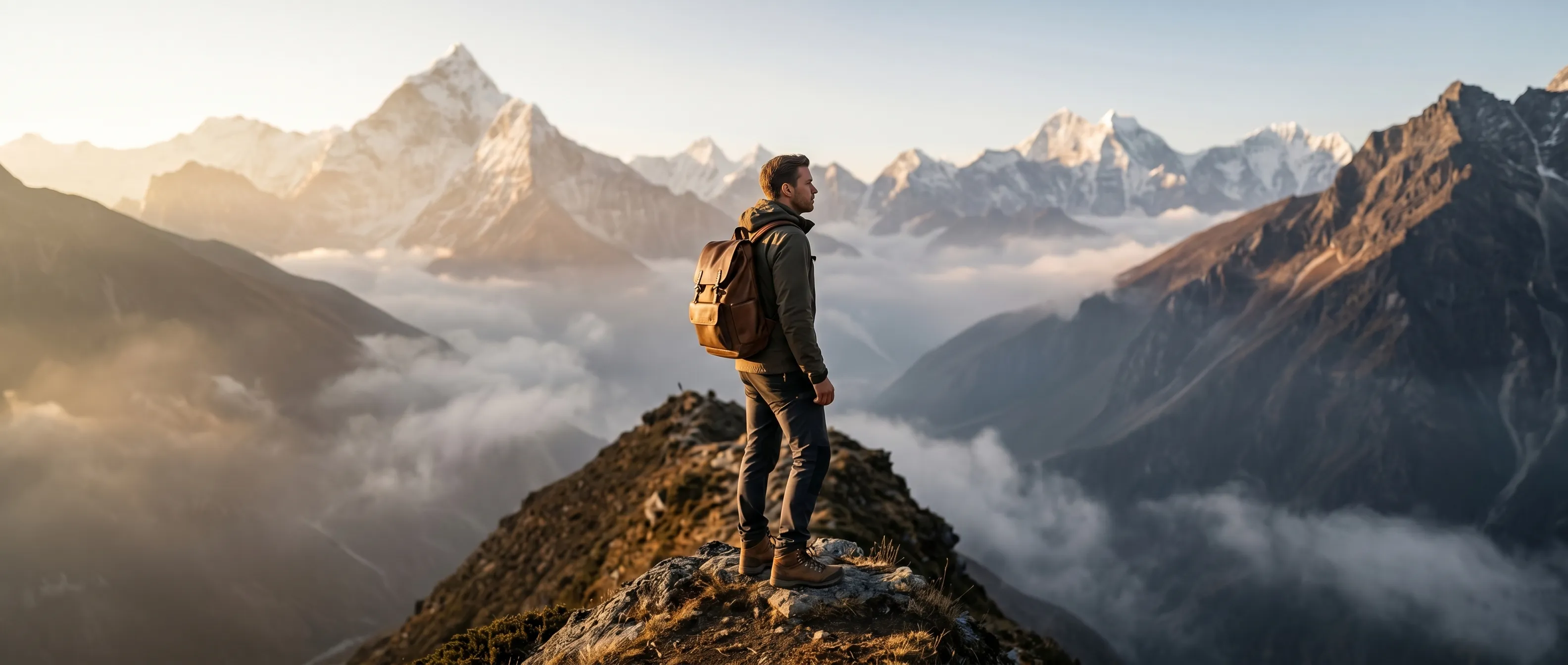
Vietnam and Nepal represent the ultimate dual-track strategy for solo travelers looking to balance high-intensity skill acquisition with the world’s lowest daily burn rates. In 2026, the technical floor for survival in Nepal is exactly $19.30 per day, covering a basic guesthouse and two servings of Dal Bhat. This “Dal Bhat Power” is more than a meme; it is a mechanical necessity for those tackling high-altitude endurance training in the Annapurna region.
The Technicality of Trekking and Diving
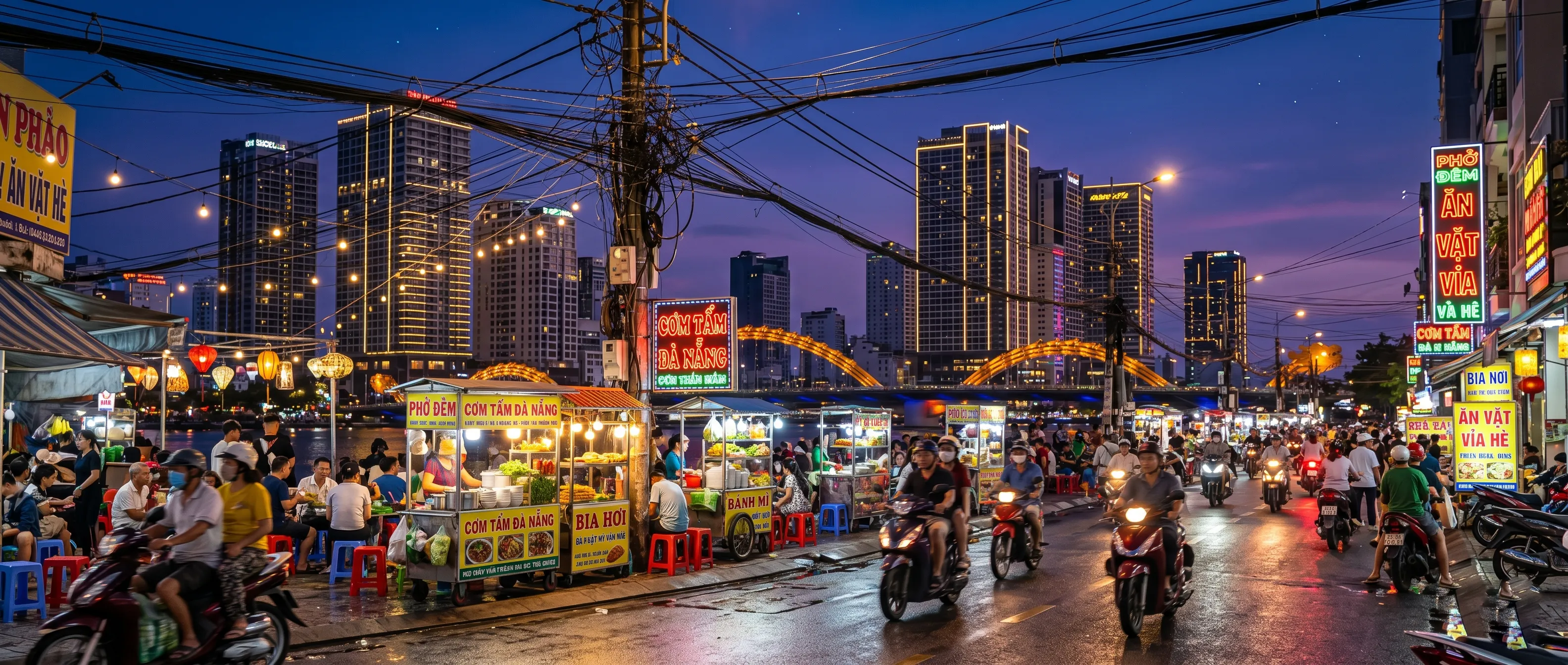
Securing an ACAP permit in 2026 requires navigating the updated SAARC vs. non-SAARC fee structures. While Nepal handles the mountains, Vietnam’s Da Nang has emerged as a premier hub for digital connectivity and underwater skills. With fiber speeds averaging 150 Mbps, it is possible to maintain a remote career while pursuing a PADI Open Water certification for roughly $280—a fraction of the cost in Western hubs.
The Laos Fuel Tax Reality
Recent 2026 data indicates an “Import Tax Loop” in Laos that travelers must account for. While food remains inexpensive, intercity transit costs have risen 25% higher than in neighboring Thailand due to new fuel levies. Travelers should prioritize the high-speed rail links over private minivans to maintain a $25 daily average.
Navigating the Balkan Frontier
Albania and Georgia offer a distinct “Furgon” based logistics system that provides a predictable cost structure for travelers moving between mountain and coastal hubs. Unlike the volatile transit markets in Southeast Asia, Albania’s fixed-rate minivan system—known locally as Furgons—allows for precise budget planning. A five-hour journey from Tirana to the northern peaks of Shkoder remains anchored at approximately $12 to $15.
Economic Stability in the Balkans
The Albanian Lek has shown 2026 volatility, yet the “Shpendimet” (local expenses) remain low for those who avoid the peak summer rush. Georgia follows a similar logic, offering a unique 360-day visa-free stay for many nationalities, which eliminates the recurring $50 e-visa costs found in Asia. This makes Tbilisi an ideal base for “Skill-Seekers” focusing on viticulture or language studies.
| Destination | Daily Floor (USD) | Skill Cost (Day) | Visa Fee (30d) | Wi-Fi Speed | Transit (5hr) |
|---|---|---|---|---|---|
| Nepal | $19.30 | $25 | $50 | 40 Mbps | $12 |
| Vietnam | $22.50 | $35 | $25 | 150 Mbps | $15 |
| Albania | $28.00 | $30 | $0 | 100 Mbps | $14 |
| Georgia | $26.00 | $28 | $0 | 95 Mbps | $11 |
| Laos | $21.00 | $22 | $50 | 35 Mbps | $18 |

Practical Mechanics of Skill Arbitrage
Successful budget travel in 2026 is no longer about deprivation, but about the calculated ROI of the local environment and its educational offerings. By shifting the focus from “sightseeing” to “skill-seeking,” travelers transform their journey into a productive asset. Local workshops in weaving, cooking, or high-altitude survival provide more than cultural depth; they offer a sustainable way to integrate into the local economy.
The Logic of Long-Term Stays
Living in a high-value, low-cost “second city” like Da Nang or Shkoder allows for professional arbitrage. You earn in a strong currency while spending in a weak one, using the surplus to master crafts that would be financially prohibitive at home. The key is identifying hubs with the Vietnam E-Visa Portal accessibility and high-speed infrastructure to support remote work.
"The true 2026 budget hack isn't finding the cheapest hostel; it's finding the location where your presence creates the highest personal development yield per dollar spent."
Defining Your 2026 Route
Choosing your destination depends on whether you prioritize physical endurance in the Himalayas or technical digital infrastructure in coastal Southeast Asia. If you require high-speed connectivity to fund your journey, Vietnam is the logical choice. If you aim to maximize every cent of a fixed savings account, Nepal’s survival floor is unbeatable.
- If you need high-speed Wi-Fi: Then choose Vietnam or Georgia.
- If you want the lowest possible daily spend: Then prioritize Nepal or Laos.
- If you prefer European proximity: Then Albania is the primary target.
Pros
- ✅ High cultural immersion
- ✅ Massive financial savings
- ✅ Significant personal skill growth
Cons
- ❌ Potential for visa-run fatigue
- ❌ Varying healthcare infrastructure
- ❌ 2026 transit inflation in specific zones
Frequently Asked Questions: Budget Travel
Frequently Asked Questions
01 Which country is the cheapest for solo female travelers in 2026?
Vietnam is widely considered the safest and most affordable option. It offers high-speed connectivity, a well-established hostel circuit, and low violent crime rates, making it ideal for solo navigation on a budget.
02 What is the daily budget for Vietnam vs Thailand in 2026?
Vietnam remains approximately 15% cheaper than Thailand for daily expenses. While a comfortable daily budget in Vietnam sits at $25, Thailand typically requires $35 to $40 due to higher tourism taxes.
03 Is Albania still cheap for travelers in 2026?
Yes, Albania remains the most affordable European destination. While coastal prices rise in July, the interior regions offer guesthouses and meals for under $30 per day, significantly undercutting neighboring Greece.
04 What are the 2026 visa fees for Nepal?
The standard 30-day tourist visa for Nepal is currently $50. Travelers should check the official immigration portal for the latest SAARC country discounts, as these can significantly reduce entry costs for specific nationalities.
05 How much does a PADI certification cost in Southeast Asia?
In 2026, a full PADI Open Water course in Vietnam or Thailand costs between $280 and $350. This includes all equipment rentals and boat fees, representing a 60% savings compared to European centers.
06 Are transport costs rising in Laos for 2026?
Laos has seen a 25% increase in private transit costs due to fuel import taxes. Travelers are encouraged to use the newly expanded rail network to maintain lower intercity transport expenses during their stay.

Sarah Jenkins
Journey Logistics Boss
Engineering high speed travel routes for maximum global efficiency.