

Travel Insurance Coverage: Secure Your Peace of Mind

Travel Insurance Coverage: Secure Your Crucial Peace of Mind
Robust travel insurance coverage is an essential risk management tool, providing critical financial protection and logistical support against unforeseen disruptions, particularly in an increasingly volatile global travel landscape. This includes safeguarding investments from climate-related trip disruptions, geopolitical instability, and escalating business travel risks, which saw a 17% increase in evacuations for business travelers in 2024.
Key Takeaways
- Comprehensive travel insurance is vital for mitigating financial and logistical risks across all travel types.
- Business travel faces escalating risks, including a significant rise in evacuations, necessitating specialized trip protection.
- Effective coverage extends beyond leisure, addressing complex scenarios like climate events and geopolitical instability.
This analysis synthesizes data from official government travel advisories, global security reports, and industry-specific statistics concerning business and leisure travel trends. Our evaluation focuses on the practical application of travel insurance principles against documented global travel risks and operational requirements.

The strategic implementation of comprehensive travel insurance coverage is paramount for mitigating the inherent risks associated with modern global mobility. This critical trip protection mechanism extends beyond simple cancellation policies, encompassing a spectrum of potential disruptions from medical emergencies to geopolitical instability.
The escalating complexity of international travel, highlighted by a 17% increase in evacuations for business travelers in 2024, underscores the urgent need for robust medical travel insurance and broader protective measures.
While leisure travel often drives the perception of insurance needs, the demands of Bleisure Travel and the sheer volume of Corporate Event Statistics reveal a significant, often underestimated, exposure for business entities. Understanding the regulatory environment, such as Nonimmigrant Visa Issuance data from the Visa Office for Fiscal Year (FY) 2019, provides context for the intricate framework governing international movement under the Immigration and Nationality Act (INA).
Such data, available from official sources like the U.S. Department of State, informs the operational parameters within which travel insurance must function. Effective travel insurance coverage must therefore be architected to address both predictable and emergent threats, ensuring continuity and security for all travelers, including those embarking on adventure travel insurance 2026 expeditions.
Leisure vs. Business Travel Insurance: A Detailed Comparison
The fundamental distinction between leisure and business travel insurance coverage lies in their risk matrices and the specific assets requiring protection. While both aim to provide trip protection, their operational parameters diverge significantly to address distinct traveler profiles and potential liabilities.
Leisure travel insurance primarily focuses on personal well-being and the financial investment in a vacation. This typically includes coverage for trip cancellation, medical travel insurance for emergencies, and lost baggage. The scope is generally limited to personal disruptions.
Conversely, business travel insurance is engineered to safeguard professional assets, mitigate corporate liabilities, and ensure continuity of operations. This specialized travel insurance coverage often includes provisions for business equipment, political evacuation, and higher limits for medical emergencies, reflecting the elevated risk profile of corporate travelers.
For instance, the 17% increase in evacuations for business travelers in 2024 underscores the critical need for robust corporate trip protection mechanisms.
| Variable | Leisure Travel Insurance | Business Travel Insurance |
|---|---|---|
| Primary Objective | Personal financial investment, health, and trip interruption for leisure activities. | Corporate asset protection, employee safety, and operational continuity for professional engagements. |
| Evacuation Risk Profile | Primarily medical emergencies; lower incidence of geopolitical or security-related evacuations. | Higher incidence, including political instability, natural disasters, and security threats, with a 17% increase in evacuations for business travelers in 2024. |
| Key Inclusions | Trip cancellation/interruption, emergency medical care, lost luggage, personal liability. | Business equipment coverage, political evacuation, higher medical limits, kidnap & ransom, legal assistance. |
| Relevant Statistics | Often intersects with 30+ Bleisure Travel Statistics due to combined trips. | Directly informed by 47 Corporate Event Stats and specific corporate risk assessments. |
The integration of Bleisure Travel trends further blurs the lines, necessitating a hybrid approach to travel insurance coverage that accounts for both personal leisure time and professional obligations. Organizations like World Travel Protection specialize in assessing these complex risk landscapes.
Understanding the nuances of these policies is crucial for selecting the best travel insurance plans 2026 for any given journey.
For comprehensive insights into corporate travel risks, refer to detailed Corporate Event Statistics. The Visa Office also tracks data such as Nonimmigrant Visa Issuance for Fiscal Year (FY) 2019, which, while not directly insurance-related, highlights the sheer volume of international movement governed by the Immigration and Nationality Act (INA).
This global mobility, even if less than one percent worldwide faces extreme incidents, necessitates tailored trip protection strategies.
Expert Insights: Travel Insurance for Modern Risks
The contemporary travel landscape necessitates a clear understanding of travel insurance coverage, particularly given the increasing complexities of global mobility.
Business travel, often perceived as routine, now presents an increased risk profile, evidenced by a 17% increase in evacuations for business travelers in 2024.
This metric underscores the significant need for specialized trip protection mechanisms.
Modern risks extend beyond traditional medical emergencies to encompass geopolitical instability and climate-related disruptions.
Organizations like World Travel Protection are increasingly focusing on detailed strategies to mitigate these evolving threats.
Such strategies often integrate specialized medical travel insurance components, ensuring travelers receive appropriate care and logistical support in challenging environments.
The integration of leisure into business trips, known as Bleisure Travel, further complicates insurance requirements.
While 30+ Bleisure Travel Statistics highlight its growing prevalence, it mandates policies that cover both professional assets and personal belongings.
This dual-purpose travel requires a flexible insurance architecture capable of adapting to varied itineraries and potential incidents.
Understanding the nuances of policy structures is important for effective risk management.
For instance, while Nonimmigrant Visa Issuance data from the Fiscal Year (FY) 2019 provides insights into travel volumes, it does not directly correlate with the unforeseen events that trigger insurance claims.
Travelers must evaluate if their travel insurance coverage adequately addresses scenarios like sudden border closures or natural disasters.
For more general insights into business travel resources, refer to various articles on corporate travel trends.
Assessing whether is travel insurance worth it audit for specific trips involves a detailed analysis of potential exposures.
This includes evaluating the destination’s stability, the nature of activities, and the value of the investment being protected.
The changing nature of global events necessitates a forward-looking approach to securing detailed trip protection.
The Overlooked Need: Why Business Travel Insurance is Critical
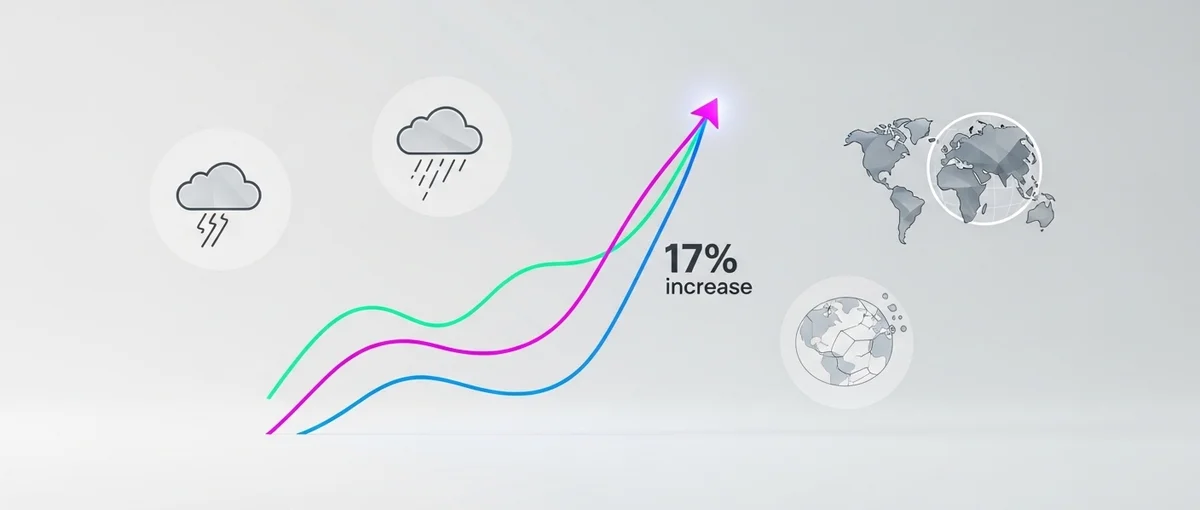
The operational landscape for corporate travel is undergoing transformation, necessitating a re-evaluation of standard travel insurance coverage protocols. A critical metric indicating this shift is the 17% increase in evacuations for business travelers in 2024, highlighting an increased risk profile often unaddressed by generic trip protection plans.
This surge underscores the need for specialized medical travel insurance and comprehensive risk mitigation strategies tailored for the corporate sector.
Business travel inherently involves specific risks not typically encountered in leisure excursions. These include exposure to geopolitical instability, the necessity for secure data and equipment, and the potential for urgent medical repatriation from remote or high-risk zones.
Organizations like World Travel Protection emphasize the vulnerabilities that can impact business continuity and employee welfare.
The integration of Bleisure Travel trends, as evidenced by 30+ Bleisure Travel Statistics, further complicates risk. While offering employee benefits, it extends the duration and scope of potential incidents, requiring travel insurance coverage that spans both professional duties and personal activities.
Understanding these evolving dynamics is crucial for effective corporate travel policies, as detailed in resources covering business travel health and safety statistics.
"The structural integrity of a corporate travel program is directly proportional to the robustness of its insurance architecture. Neglecting specialized business travel insurance is akin to deploying critical infrastructure without adequate redundancy."
For companies planning effective operations, especially for shorter engagements, considering 2 day trip ideas smart stress free escapes can also benefit from tailored trip protection that accounts for both the brevity and potential intensity of such trips. The collection of Corporate Event Statistics consistently demonstrates the financial and logistical implications of unforeseen disruptions.
Final Verdict: Securing Your Peace of Mind in a Changing World
The operational imperative for robust travel insurance coverage has intensified due to escalating global complexities. These include climate-related disruptions and geopolitical instability. This necessitates a strategic assessment of trip protection mechanisms to safeguard both personal and corporate assets.
Pros
- ✅ Risk Mitigation: Comprehensive policies provide a critical layer of defense against unforeseen events. These include medical emergencies, trip cancellations, or lost baggage, thereby stabilizing financial exposure.
- ✅ Operational Continuity: For business travelers, specialized medical travel insurance and evacuation benefits ensure continuity of operations even in high-risk environments. This addresses the 17% increase in evacuations for business travelers in 2024.
- ✅ Asset Protection: Coverage extends to valuable equipment and personal effects. This prevents significant financial loss from theft or damage during transit or at destination.
- ✅ Emergency Response: Access to 24/7 assistance services facilitates rapid response to crises. This provides logistical support and coordination for complex situations.
Cons
- ❌ Cost Overhead: The premium associated with comprehensive travel insurance coverage represents an additional expenditure. This may be perceived as non-essential by some entities.
- ❌ Policy Exclusions: Specific events or pre-existing conditions may be excluded from coverage. This requires meticulous review of policy documentation to avoid gaps in protection.
- ❌ Claim Complexity: The process of filing and validating claims can be intricate. It demands precise documentation and adherence to strict procedural guidelines.
- ❌ Perceived Redundancy: For short, low-risk trips, the perceived benefit of extensive trip protection might be outweighed by its cost. This assessment often overlooks latent risks.
The evolving landscape of global travel, marked by increased volatility, underscores the non-negotiable requirement for comprehensive travel insurance coverage. This is particularly salient given the rising trends in business travel health and safety statistics, as detailed in resources like those provided by Booking.com Business. Furthermore, understanding specific safety protocols, such as those for beach travel safety, can complement insurance provisions.
Modular Final Verdict
- If your travel itinerary involves international destinations or high-value investments, then securing comprehensive travel insurance coverage is a non-negotiable operational requirement.
- If you are a business traveler, then prioritize policies that include robust medical travel insurance, political evacuation, and coverage for business equipment to mitigate specific corporate risks.
- If you seek to minimize financial exposure from unforeseen events like natural disasters or geopolitical shifts, then a policy offering flexible trip protection and cancellation clauses is essential.
- If you desire a systemic approach to personal and professional security while traveling, then integrate a detailed understanding of your policy’s terms and conditions into your pre-departure protocol.
Frequently Asked Questions About Travel Insurance
Frequently Asked Questions
01 Does travel insurance cover climate-related trip cancellations?
While specific coverage varies, many comprehensive travel insurance policies offer protection against trip cancellations or delays due to severe weather events, often under 'trip interruption' or 'cancellation for covered reasons' clauses.
02 Is business travel insurance different from leisure travel insurance?
Yes, business travel insurance often includes specific coverages like protection for business equipment, political evacuation, and higher limits for medical emergencies, reflecting the unique risks faced by business travelers.
03 What kind of events lead to increased evacuations for travelers?
Increased evacuations, like the 17% rise reported for business travelers in 2024, can be triggered by geopolitical instability, natural disasters, or severe medical emergencies requiring specialized transport.
04 Do visa issues impact travel insurance claims?
Generally, travel insurance does not cover trip cancellations due to visa application refusals or delays, as these are typically considered foreseeable. However, some 'cancel for any reason' policies might offer partial reimbursement.
05 How do 'Bleisure Travel' trends affect travel insurance needs?
Bleisure travel, combining business and leisure, necessitates insurance that covers both aspects. This means ensuring coverage for personal belongings during leisure time, as well as business equipment and potential work-related disruptions.
06 Can travel insurance protect against financial loss from global disruptions?
Comprehensive travel insurance can mitigate financial losses from global disruptions through benefits like trip cancellation/interruption and emergency medical evacuation, and sometimes 'cancel for any reason' upgrades, depending on the policy terms.

Kenji Sato
Travel Finance Optimizer
Hacking global travel cycles through ruthless precision forecasting.