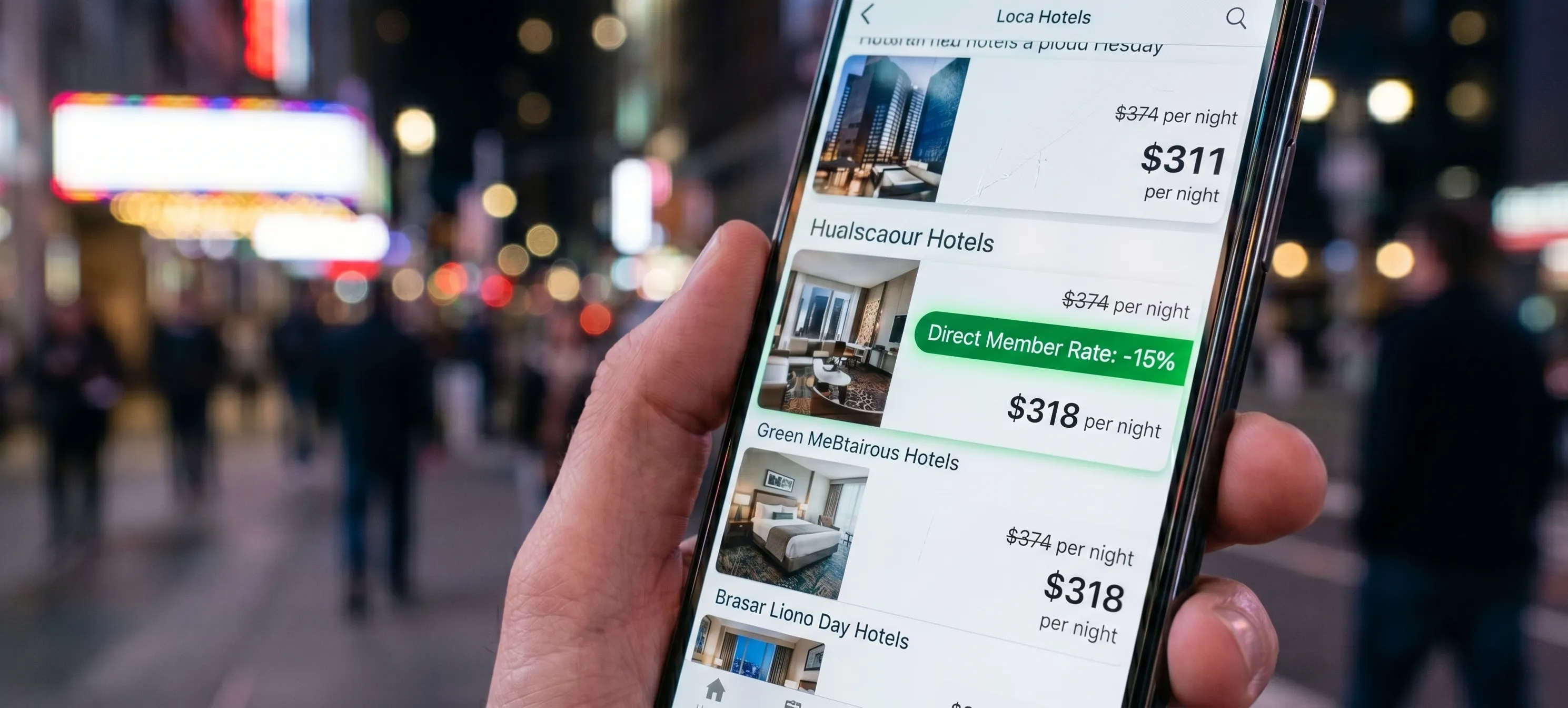

Budget Micro-Stays: Maximizing City Center Access for 48-Hour Sprints
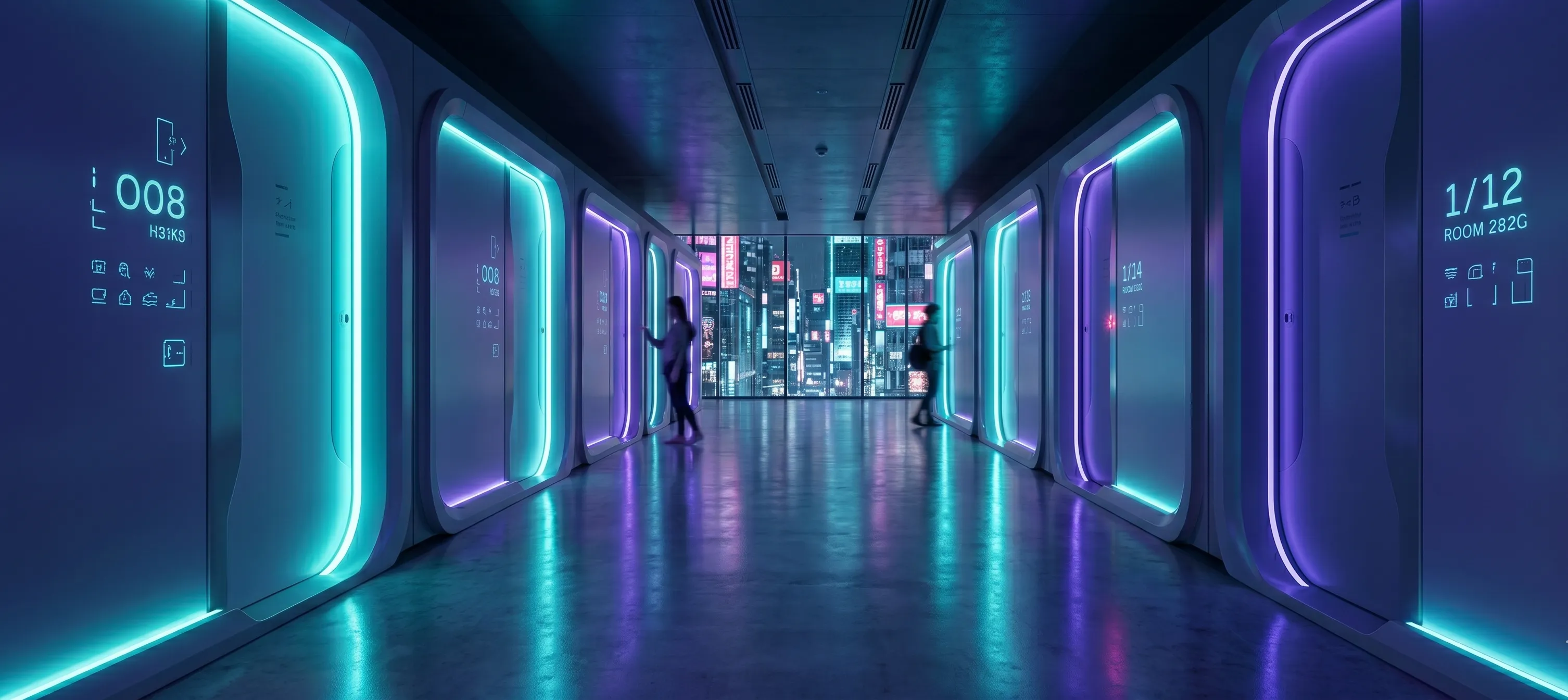
For the modern Weekend Warrior, the objective is to eliminate the “suburban transit tax” by utilizing micro-hotel architecture integrated directly into urban hubs. By prioritizing a “beds-over-ballrooms” philosophy, travelers can secure central accommodations for $45–$85 per night without sacrificing essential 2026 technical standards. This strategic shift from legacy budget motels to high-density pods allows for maximum city-center immersion within a strict 48-hour window.
🚀 Key Takeaways
- Prioritize Hub Integration: Select “Transit-Oriented Development” properties like Yotel that are physically located inside or adjacent to major metro stations.
- Leverage Hourly Arbitrage: Utilize AI-driven booking platforms to secure 8–12 hour “Sleep Blocks,” reducing costs by up to 40% compared to traditional 24-hour stays.
- Standardize Technical Needs: Ensure all stays meet the “Gigabit-Ready” benchmark (1Gbps+) to facilitate rapid itinerary management and content uploads.
The Rise of High-Density Modular Architecture in Urban Hubs
Micro-hotel architecture optimizes the physical footprint of urban stays by utilizing modular construction and pod-based technology. This design philosophy discards underutilized square footage—such as sprawling lobbies and massive closets—to place the traveler exactly where the action is. In cities like Tokyo, London, and New York, these properties represent a surgical strike against rising urban real estate costs, offering a “smart budget” room typically measuring 12–18sqm.
These modular units are often manufactured off-site and “slotted” into existing infrastructure, allowing for rapid deployment in high-demand zones. For the Weekend Warrior, this means a room that functions like a well-oiled machine, featuring smart-storage solutions and biometric check-ins that save precious minutes during a short trip.
Efficiency Over Square Footage
The shift toward modular living isn’t just about saving money; it’s about a technical lifestyle choice. By choosing a 12sqm room with high-end linens and integrated mood lighting over a 30sqm dated motel room in the suburbs, you trade useless floor space for a 15-minute reduction in your commute to city landmarks.
The Economics of the 2026 Dynamic Day-Rate
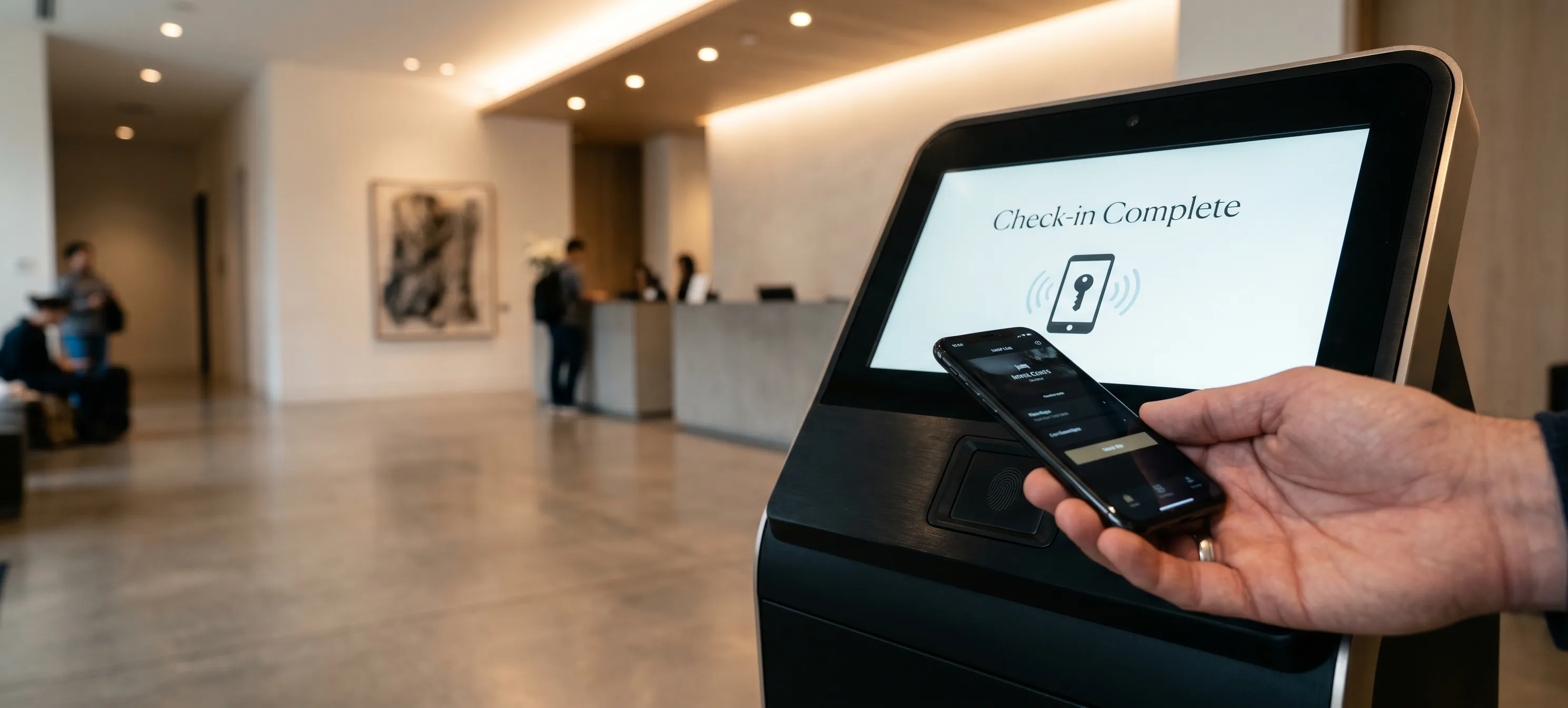
Traditional 24-hour booking cycles are being replaced by AI-driven dynamic pricing that allows travelers to pay only for the hours they occupy. This “Sleep-Block” logic is revolutionary for short-term visitors who arrive late and leave early. By booking a 10-hour window instead of a standard night, you bypass the industry’s legacy overhead, often landing premium central locations for the price of a peripheral hostel.
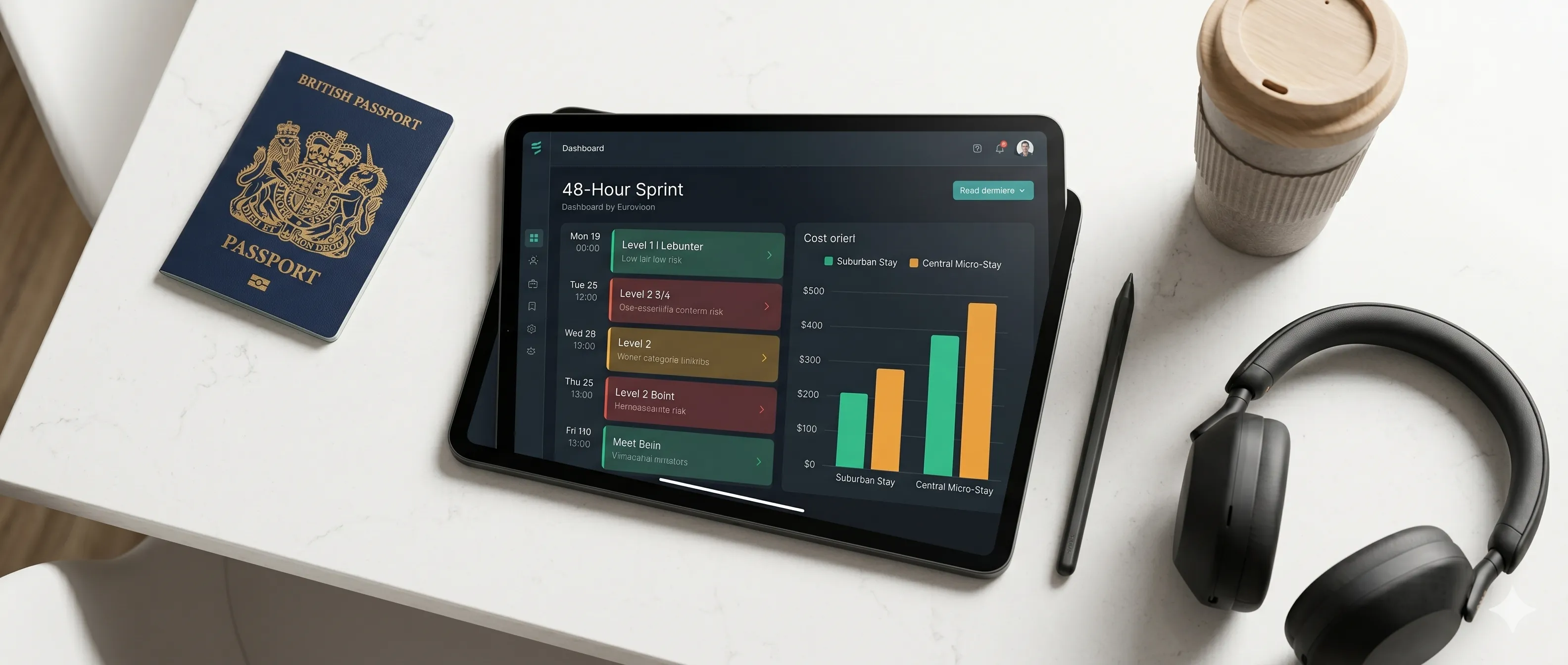
Furthermore, staying central eliminates the hidden costs of transit. A $50 “cheap” hotel in the suburbs often requires $60 in round-trip ride-share fees and two hours of lost time. Central micro-stays represent a “Transit-Link Arbitrage,” where the higher nightly rate is immediately offset by zero-cost walkability.
2026 Global Budget Benchmarks
To ensure you are receiving maximum value, evaluate potential stays against these technical and financial benchmarks.
| Metric | Target Benchmark | Economic Impact |
|---|---|---|
| Walk Time to Hub | < 15 Minutes | Saves $30 - $50 daily in transit |
| Nightly Price (Central) | $45 - $85 USD | Targets 30% of average urban spend |
| Room Footprint | 12 - 18sqm | Minimizes cleaning/maintenance fees |
| Wi-Fi Speed | 1Gbps+ (Gigabit) | Ensures Zero-Latency planning |
| Fee Transparency | 0% Hidden Fees | Prevents "Resort Fee" inflation |
Gigabit-Ready Stays and the Hourly Block Arbitrage
Modern budget stays must function as high-speed nodes for the digital traveler, providing 1Gbps+ connectivity as a baseline standard. The 2026 traveler relies on real-time data for navigation, AI-concierge services, and rapid cloud syncing. A budget hotel that lacks gigabit-ready infrastructure is functionally obsolete, regardless of the price point. Properties that prioritize “Smart Budget” amenities often include integrated device charging, wireless casting, and app-based climate control.
The “Hourly Block” arbitrage is the tactical execution of this digital-first approach. By using apps to find inventory gaps, travelers can secure “Day-Rooms” for mid-trip refreshes or secure a central base for a few hours of intensive work between sightseeing legs. This modularity in time mirrors the modularity in space found in micro-hotel design.
The Contrarian Take: Avoiding the “Amenity Trap”
Most travelers pay for amenities they never use, such as hotel gyms, business centers, or breakfast buffets. The high-utility budget traveler recognizes that the city itself is the amenity. By choosing a room that focuses strictly on sleep quality and digital speed, you liberate your budget to spend on local gastronomy and experiences.
The Value Verdict: Final Stay Selection
The decision to book a micro-stay depends on your ratio of “Time-at-Destination” versus “Time-in-Room.” If you are a high-intensity traveler who only requires a high-tech sanctuary for sleep and hygiene, the micro-hotel is your most efficient asset. However, if your trip requires significant “dwell time” inside the hotel, a traditional budget stay might be preferable.
Pros
- ✅ Unbeatable central locations
- ✅ Lower total trip cost
- ✅ Hyper-modern technical amenities
Cons
- ❌ Minimal floor space for luggage
- ❌ Lack of traditional on-site services
"In 2026, proximity is the new luxury. Staying in a 15sqm pod at a major transit hub is a higher-status move than staying in a sprawling suite that requires a 45-minute commute to the city center."
Frequently Asked Questions: Budget Hotels
Frequently Asked Questions
01 What is a micro-hotel and how is it different?
A micro-hotel focuses on high-density design, offering rooms between 12-18sqm. They prioritize high-end essentials—like premium beds and 1Gbps Wi-Fi—while removing underused space like large closets or lobbies to keep prices low.
02 How do I avoid hidden resort fees in budget hotels?
Always use booking platforms that show the 'Total Cost of Stay' including taxes and fees. Look for properties with a 'No Hidden Fee' guarantee, which is becoming a standard for 2026 micro-hotel brands.
03 Is staying in a capsule hotel safe for solo travelers?
Modern capsule hotels in 2026 feature biometric lockers and gender-segregated floors. They are often safer than traditional budget motels because they use integrated security tech and are located in high-traffic, well-lit transit hubs.
04 Can I book a budget hotel for just a few hours?
Yes, many urban budget hotels now offer 'Hourly Blocks' or 'Day-Rates.' This allows travelers to pay only for a 6, 8, or 12-hour window, which is ideal for layovers or short weekend sprints.
05 Do budget hotels provide high-speed internet?
Standard 'Smart Budget' hotels now target 1Gbps+ speeds. Always check for 'Gigabit-Ready' labels in the hotel description to ensure you can manage AI tools and video streaming without latency during your stay.
06 Why are transit-linked hotels better than cheaper suburban options?
Transit-linked hotels eliminate the cost and time of commuting. While the nightly rate might be slightly higher, the savings on Ubers, taxis, and hours of lost travel time usually result in a lower total trip cost.

Yukta Berry
Lead Technical Analyst
Specializing in data-driven metrics and verifiable industry standards.