
Solo Travel Security: Master the Art of the Invisible Sentinel in 2026
Modern solo travel requires more than basic spatial awareness; it demands a proactive defensive posture against evolving digital and physical threats. By adopting a “Shadow Protocol,” travelers can effectively minimize their profile as a soft target while maintaining the freedom of autonomous exploration. The secret to 2026 safety lies in the convergence of biometric vigilance and hardware-level digital hygiene.
🚀 Key Takeaways
- Prioritize Digital Hardening: Standard VPNs are insufficient; utilize 2FA hardware keys and USB data blockers to prevent AI-driven credential harvesting.
- Tiered Risk Assessment: Always cross-reference the U.S. Department of State Travel Advisories to align your insurance coverage with Level 1-4 risk tiers.
- The Shadow Profile: Maintain situational anonymity by avoiding public social media check-ins and using localized “decoy” wallets.
Our 2026 safety framework is built upon quantitative benchmarks from InsureMyTrip and technical security protocols. We analyzed current “Juice Jacking” trends and State Department advisory shifts to provide a clinical, data-backed strategy for the modern solo sentinel.
Mastering Physical Security Through Hardened Transit Protocols
Effective solo security begins with hardware-level obfuscation of your physical assets to prevent proximity-based profiling in transit. In high-transit environments like international airports or metropolitan rail hubs, criminals utilize sophisticated scanning tools to identify high-value targets without physical contact. You must employ RFID-blocking technology to shield your biometric identity and financial data from unauthorized proximity scans. This “invisible shield” is your first line of defense against the 14% CAGR growth in professionalized travel theft syndicates.
Beyond data protection, physical deterrents must be mechanical rather than just psychological. Utilize high-tensile steel cable locks for gear and reinforced “slash-proof” textiles for daypacks. When navigating unfamiliar terrain, the goal is to present a “hard target” profile that necessitates too much time and effort for a casual thief to exploit.
Tactical Equipment Selection
Your gear should facilitate rapid movement while maintaining a low visual profile. Avoid tactical-looking equipment that signals high-value contents. Instead, opt for neutral, durable gear that incorporates hidden internal pockets and locking zippers. This mechanical complexity serves as a vital barrier during the high-stress transition periods of arrival and departure.
Deploying the Shadow Protocol for Digital Defense
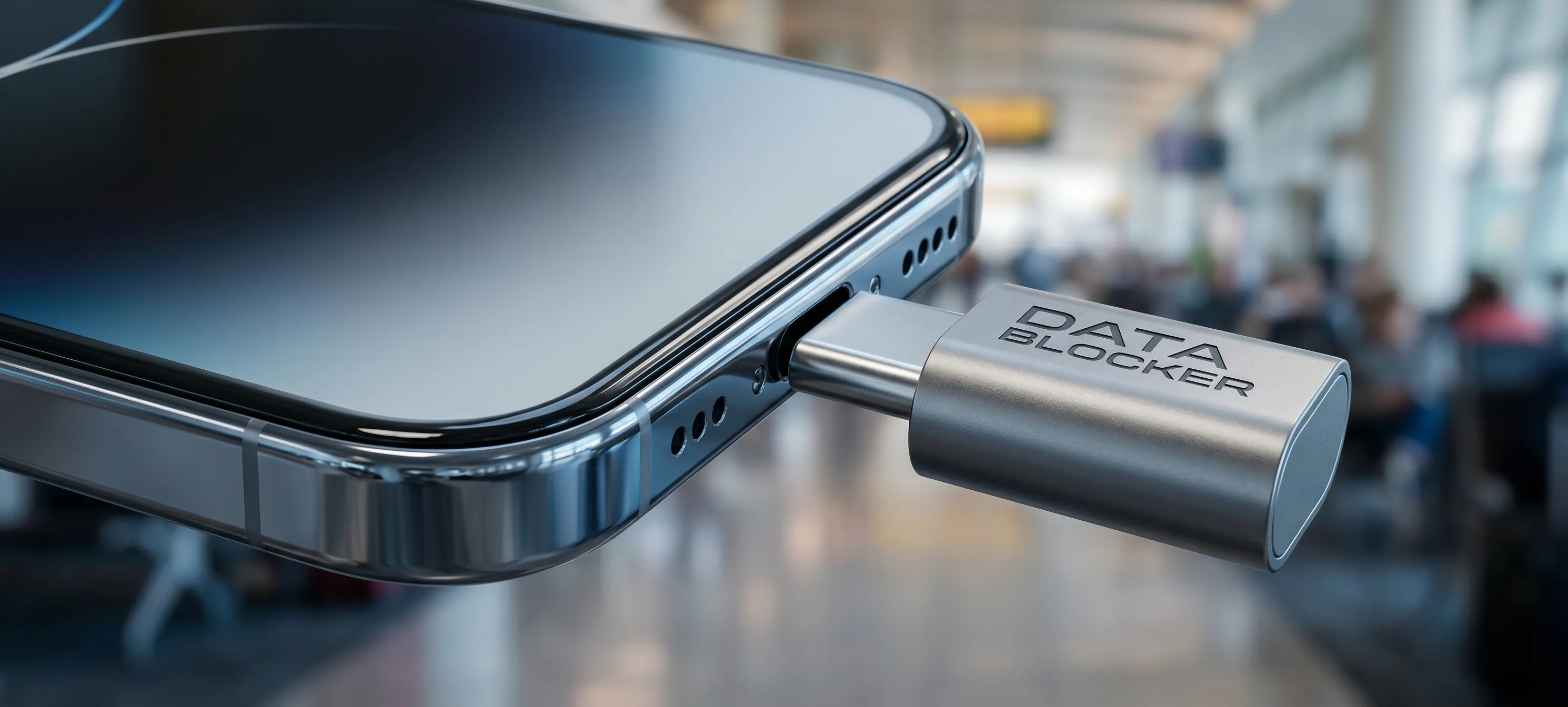
The most significant threat to the 2026 solo traveler is no longer physical pickpocketing but sophisticated AI-driven “Juice Jacking.” Modern public charging stations in cafes and airports are often compromised with scripts designed to harvest credentials the moment you plug in. A $10 USB data blocker—which physically disconnects the data pins while allowing power to flow—is now a non-negotiable component of your travel kit.
You must also adopt a “Zero-Trust” approach to public Wi-Fi. Even with a VPN, advanced man-in-the-middle attacks can bypass software-level encryption. Rely on localized eSIMs for data or use a hardware-based travel router to create an encrypted personal bubble. This ensures your banking and communication data remain isolated from local network vulnerabilities.
Essential Security Benchmarks
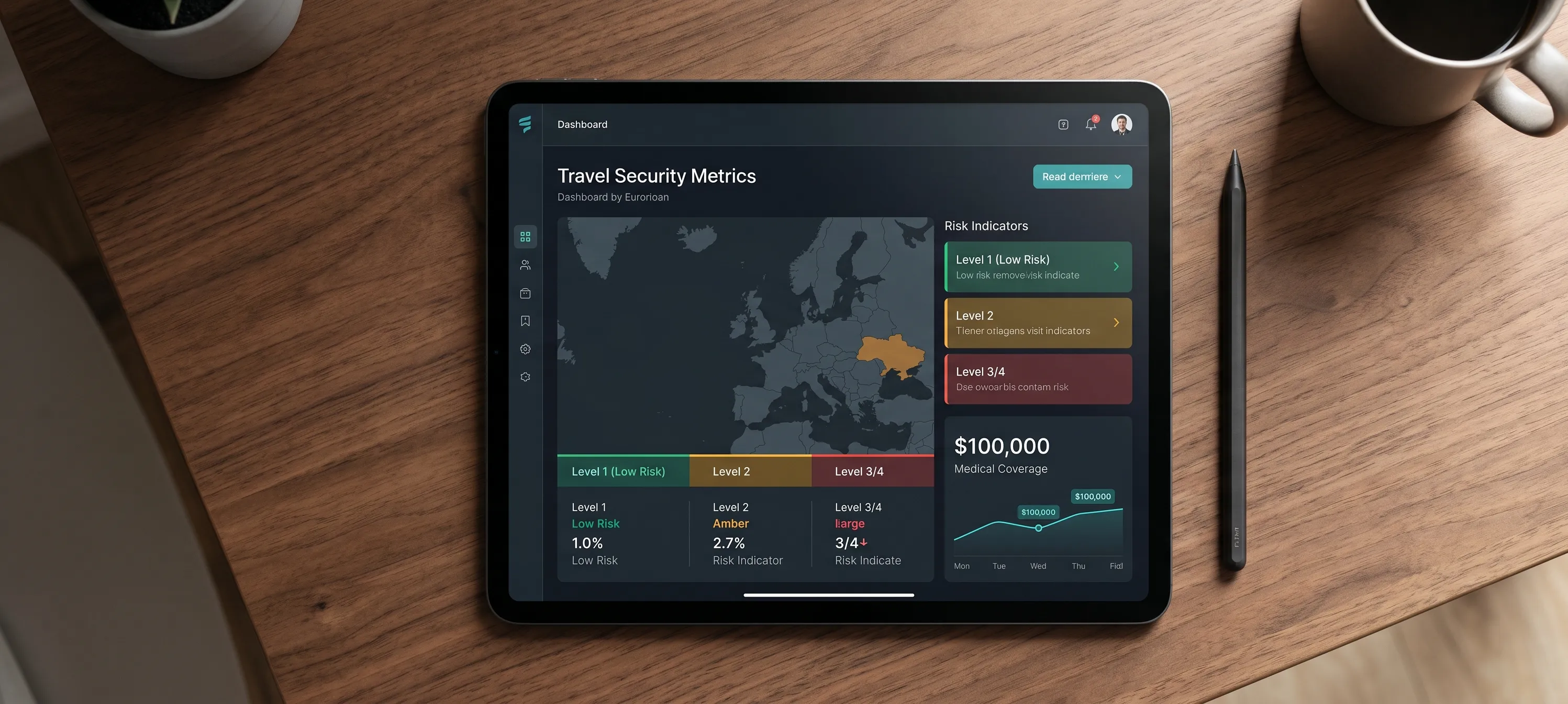
To quantify your safety margin, you must align your logistics with industry-standard financial and advisory metrics.
| Security Metric | Standard Benchmark | Protective Function |
|---|---|---|
| Emergency Medical | $100,000 USD | Minimum for Level 1-2 GEOs |
| Medical Evacuation | $250,000 USD | Critical for remote or cruise zones |
| Delay Reimbursement | 6-12 Hours | Standard claim trigger window |
| Advisory Tiers | Levels 1 - 4 | UK FCDO risk mapping |
| Identity Protection | 2FA Hardware Key | Prevents AI credential theft |
Achieving Situational Anonymity in High-Risk Zones
The most effective safety strategy is to remain unnoticed by disrupting the digital and physical observation phase of potential threats. Modern criminals often monitor social media geodata and digital “footprints” to profile solo travelers. By maintaining situational anonymity—avoiding “live” updates and masking your routine—you disrupt the observation phase of a potential threat. This contrarian approach suggests that visibility is a liability, not an asset, for the autonomous traveler.
In practice, this means varying your routes and utilizing localized “decoy” items. A secondary wallet containing a small amount of cash and expired cards can satisfy a low-level confrontation without compromising your primary resources. This tiered defense ensures that even if one layer is breached, your core safety and ability to exit the situation remain intact.
Psychological Defense Layers
Maintaining a calm, assertive demeanor is a biological deterrent. Predators look for signs of disorientation or vulnerability. By pre-loading offline maps and identifying “safe havens” like international hotels or government buildings along your route, you project a sense of purpose that discourages targeted profiling.
The Sentinel Verdict: Final Protocol Implementation
Your final security posture is a direct reflection of your destination’s advisory level and your commitment to hardware-level digital hygiene. Determining your security posture depends on your specific destination and technical proficiency. If you are traveling to a Level 1 or 2 region, a focus on digital hygiene and basic spatial awareness is sufficient. If you are entering a Level 3 or 4 zone, you must implement the full Shadow Protocol, including hardware-level encryption and professional medical evacuation coverage.
Pros
- ✅ Maximum autonomy
- ✅ Significantly reduced target profile
- ✅ Data integrity
Cons
- ❌ Increased initial gear cost
- ❌ Higher cognitive load during transit
"In 2026, the greatest risk is not the street thief, but the unshielded USB port. If your data is compromised, your physical location and financial identity follow immediately."
Frequently Asked Questions: Travel Safety Tips
Frequently Asked Questions
01 What is the most important safety tool for solo travelers in 2026?
A physical USB data blocker is essential. It prevents 'Juice Jacking' by disabling data transfer pins in public ports, ensuring that your device only receives power and remains safe from malware.
02 How much travel insurance coverage do I actually need?
You should maintain at least $100,000 in emergency medical coverage. For remote or maritime travel, ensure you have $250,000 for medical evacuation to meet international standard safety benchmarks for 2026.
03 Are public Wi-Fi networks safe if I use a VPN?
Standard VPNs provide a basic layer of protection but are not foolproof. For absolute security, use a localized eSIM or a hardware travel router to maintain a private, zero-trust data environment.
04 How do I check the safety level of my destination?
Refer to the U.S. Department of State or the UK FCDO websites. They provide real-time updates using a Level 1 through Level 4 scale to communicate current security risks.
05 What is the 'Shadow Protocol' in solo travel?
The Shadow Protocol involves minimizing your digital and physical footprint. This includes avoiding live social media posts, using RFID-blocking gear, and maintaining situational anonymity to prevent being profiled as a target.
06 Should I carry a decoy wallet while traveling?
Yes, a decoy wallet is a effective tactical deterrent. It should contain a small amount of local currency and expired cards to satisfy a thief while your primary funds remain hidden.

Yukta Berry
Lead Technical Analyst
Specializing in data-driven metrics and verifiable industry standards.