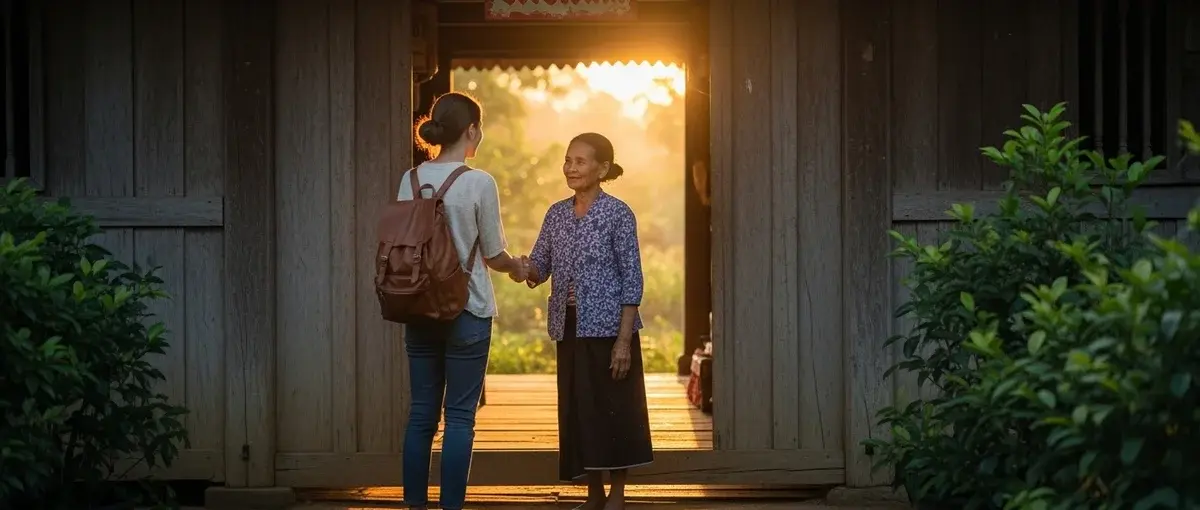

Heirlooms on the Plate: The 2026 Guide to Culinary Homestays and Ancestral Flavors
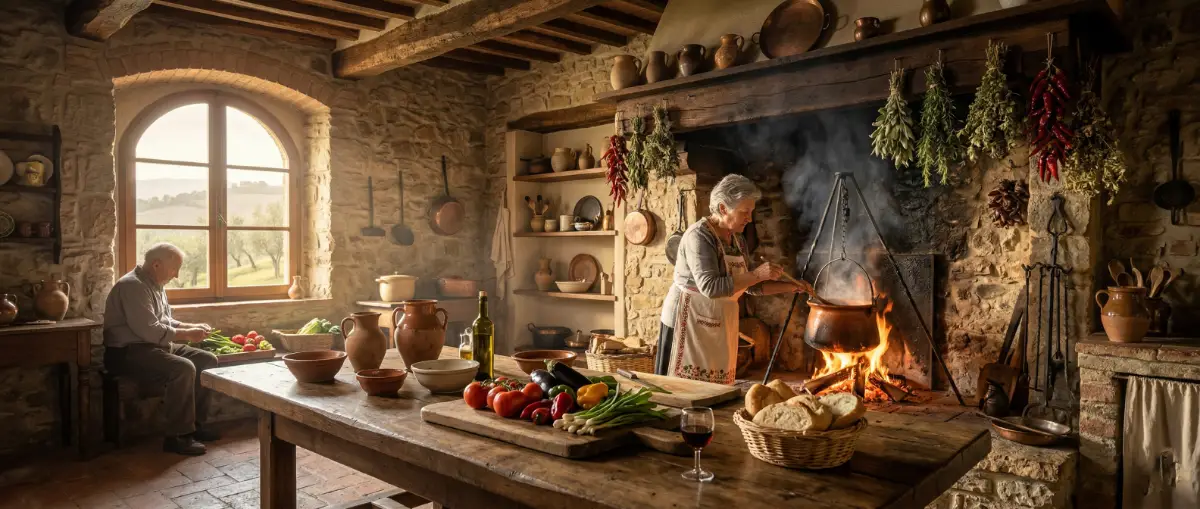
Heirlooms on the Plate: The 2026 Guide to Culinary Homestays and Ancestral Flavors
Modern culinary homestays in 2026 have evolved into living flavor archives where guests engage in “Shelf Discovery” through exclusive access to heritage seed banks and foraging rights. Authenticity is now measured by a 0km procurement radius and the host’s ability to facilitate ancestral cooking techniques like live-fire gastronomy and traditional fermentation. This shift allows the Culinary Hunter to bypass sanitized restaurant experiences in favour of raw, micro-terroir immersion that preserves endangered regional recipes.
🚀 Key Takeaways
- Procurement Radius: Prioritize stays with a “0km” mandate, where ingredients are sourced directly from the host’s land or immediate village.
- Ancestral Skills: Look for “Shelf Discovery” opportunities focusing on fermentation, live-fire mastery, and heritage seed preservation.
- Economic Value: Culinary tourism has hit a USD 137.8B valuation in 2026, driven by a 42% market share of existential travellers.
Our methodology relies on technical data from the Michelin Trends 2026 and the Cretan Region of Gastronomy. We audited homestays based on mechanical gastronomic criteria: the presence of specialized fermentation crocks, the legality of local foraging rights, and documented participation in heritage seed banking. Every featured stay must demonstrate a direct contribution to regional culinary restoration rather than simple hospitality.
Micro-Terroir and the 0km Procurement Standard
Modern culinary homestays prioritize a 0km procurement radius where ingredients are harvested directly from the host’s land to ensure peak nutrient density and flavor profile. By removing the logistical layers of traditional supply chains, these stays offer a level of “Micro-Terroir” that professional restaurants cannot replicate. This mechanical shift toward hyper-localization means that the soil chemistry of the specific backyard directly dictates the guest’s sensory experience.
The Infrastructure of Shelf Discovery
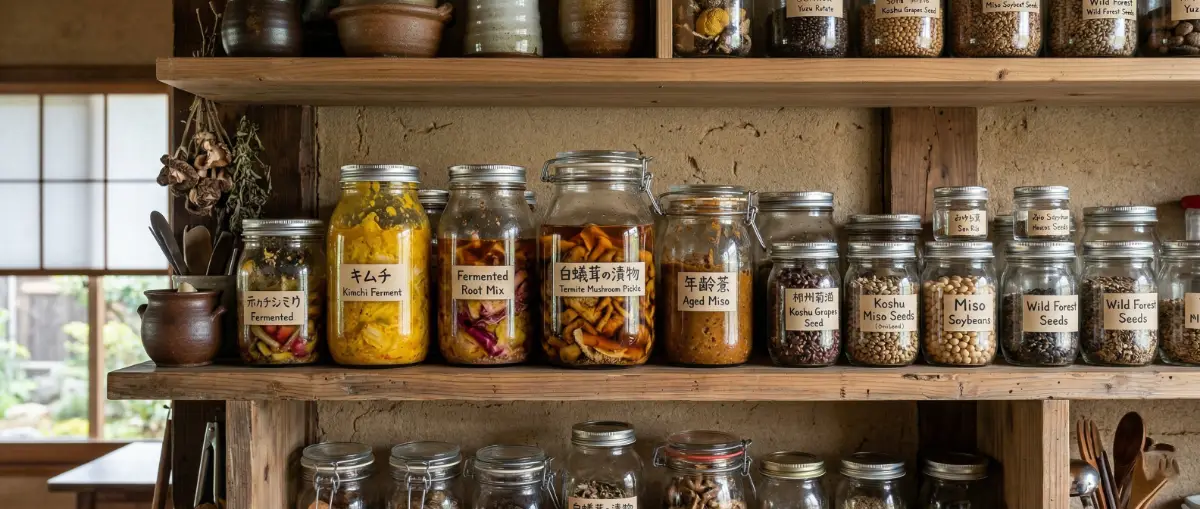
In 2026, “Shelf Discovery” has transitioned from a niche hobby to a primary travel motivator, with 78% of culinary travelers prioritizing local pantry exploration. Homestays facilitate this by acting as curators of non-commercialized ingredients, often stored in traditional fermentation crocks or heritage seed banks. These assets serve as the infrastructure for “Ancestral Stays,” allowing guests to interact with flora that has been genetically preserved for generations.
Foraging Rights and Culinary Agency
The most advanced culinary homestays provide guests with temporary foraging rights, a legal and cultural framework for gathering wild mountain ingredients. This agency allows the Culinary Hunter to engage in “Active Harvesting,” identifying termite mushrooms, wild herbs, or matsutake under the guidance of local experts. Such participation transforms the guest from a passive consumer into an active participant in the regional food system’s regenerative cycle.
Live-Fire Gastronomy and the Mechanics of Ancestral Stays
Technical mastery over live-fire gastronomy and anaerobic fermentation defines the high-performance homestay kitchen in 2026. By utilizing specialized equipment like clay fermentation crocks and open-hearth wood fires, hosts maintain a literal link to historical preparation methods. These mechanical processes are not for aesthetic appeal; they are functional requirements for achieving the specific chemical profiles associated with regional heritage dishes.
The Quantifiable Value of Culinary Immersion
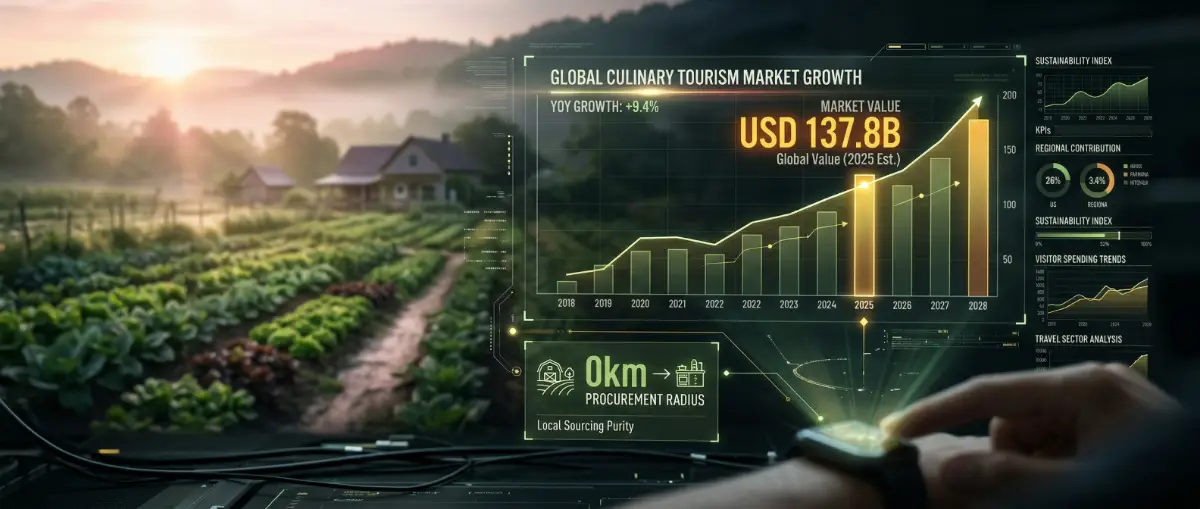
The economic shift toward existential travel has redirected billions into the homestay sector as travellers seek out “Micro-Terroir” over mass-market hospitality. According to Future Market Insights, the culinary tourism market is expanding as travellers prioritize specific flavour-memory retention over luxury amenities. This data highlights a growing consumer preference for properties that offer direct access to “Ancestral” food systems.
| Market Metric | 2026 Data Point | Strategic Significance |
|---|---|---|
| Culinary Tourism Value | USD 137.8B | Massive shift toward food-led travel. |
| Traveler Priority | 88% Local Food | Tourists favour meals over sightseeing. |
| Existential Market Share | 42% | Rise of "Deep Immersion" travellers. |
| Procurement Target | 0km Radius | Direct farm-to-kitchen integration. |
| Average Nightly Rate | $85 | High-value ROI for immersive stays. |
Engineering Flavors Through Fermentation
The resurgence of traditional fermentation in homestays is driven by the desire to access “probiotic terroir” – the unique microbial signature of a specific household. Hosts utilize specific temperature-controlled cellars or earth-buried vessels to facilitate slow, anaerobic breakdowns. This mechanical process creates complex umami depths that are impossible to replicate in industrial, high-speed commercial kitchens found in standardized hotel chains.
Why Ancestral Knowledge Outperforms Commercial Reliability
The 2026 Culinary Hunter prioritizes the variable, non-standardized output of ancestral kitchens over the predictable consistency of commercial restaurant chains. While professional kitchens operate on rigid standardized operating procedures (SOPs), the homestay kitchen operates on seasonal intuition and family archives. This lack of a static menu is the ultimate indicator of “Shelf Discovery,” ensuring that every meal is a reactive response to the day’s harvest.
"The true luxury of 2026 is "Culinary Unpredictability." In a world where AI can predict flavours and supply chains are optimized for uniformity, the homestay kitchen remains a chaotic, hyper-local outlier. Authentic flavour seekers are realizing that the best meal is not the one with the most stars, but the one with the most "genetic memory.""
These homestays function as decentralised “flavour labs” where heritage seeds are protected from industrial monoculture. By choosing these stays, travellers provide the financial incentive for families to maintain rare crop varieties that would otherwise be lost to history. This symbiotic relationship ensures the survival of micro-terroir while providing the guest with a sensory complexity that cannot be mass-produced.
Strategic Regional Recommendations
Identifying the ideal culinary homestay in 2026 requires aligning your specific “Shelf Discovery” interests with the regional technical strengths of the host community. If your objective is the mastery of anaerobic breakdown and probiotic terroir, the fermentation-heavy highlands of East Asia or Northern Europe offer the highest technical ROI. Conversely, travelers seeking “Live-Fire” expertise should prioritize Mediterranean or Latin American hubs where open-hearth cooking remains the primary domestic infrastructure. If you seek “Ancestral Fermentation”: Then prioritize regions like Crete or rural Japan where microbial “Genetic Memory” is preserved in heirloom vessels. If you require “Foraging Rights”: Then select mountain stays in the Pacific Northwest or the Himalayas for access to high-value wild fungi. If you focus on “Heritage Seeds”: Then target high-altitude Andean homestays for deep immersion into non-commercialized tuber and grain varieties.
Culinary Infrastructure Pros and Cons
Pros
- ✅ Exclusive access to 0km ingredients
- ✅ hands-on technical training in ancestral methods
- ✅ direct support for heritage seed conservation
- ✅ unmatched nutrient density.
Cons
- ❌ Seasonal variability limits menu availability
- ❌ high-density communal kitchens
- ❌ potential linguistic barriers during technical training
- ❌ limited "standard" luxury amenities.
Frequently Asked Questions: Culinary Homestays & Ancestral Stays
High-performance culinary homestays in 2026 are evaluated by their adherence to 0km procurement standards and the integration of ancestral techniques like live-fire gastronomy. For the Culinary Hunter, these stays represent a move toward “Shelf Discovery,” where the kitchen functions as a living archive for heritage seeds and traditional fermentation processes.
01 What is "Shelf Discovery" in 2026 culinary travel?
Shelf Discovery is the intentional exploration of non-commercialized ingredients found in a host’s private pantry or fermentation cellar. It prioritizes rare, hyper-local flavors and ancestral preservation methods over standardized restaurant menus.
02 How do homestays ensure food safety for foraging experiences?
Professional culinary homestays implement ISO-Gastronomic safety protocols and utilize AI-monitored kitchen tools to track temperature and sanitation. Hosts provide expert guidance on local foraging rights to ensure ethical harvesting and ingredient safety.
03 What are the legal requirements for foraging at a homestay?
Foraging rights are typically managed through local land-use agreements or traditional forest-access permits provided by the host. Guests must follow "Active Harvesting" guidelines, which dictate what can be picked to protect regional biodiversity.
04 Why is a 0km procurement radius important for local stays?
A 0km radius ensures peak nutrient density by sourcing ingredients directly from the host's land or immediate village. This mechanical approach eliminates supply chain lag, preserving the specific micro-terroir and genetic memory of heritage crops.
05 Do culinary homestays accommodate modern dietary wellness trends?
Yes, 2026 homestays integrate functional flavors like probiotics and superfoods through traditional fermentation and plant-based innovation. Many hosts now offer allergen-friendly adaptations of ancestral recipes to meet the health-focused demands of modern travelers.
06 How does live-fire gastronomy differ from professional kitchen cooking?
Live-fire gastronomy utilizes open-hearth wood fires and clay vessels to achieve specific chemical flavor profiles that industrial ovens cannot replicate. This technique requires mechanical mastery over heat and airflow to maintain regional culinary authenticity.

Yukta Berry
Lead Technical Analyst
Specializing in data-driven metrics and verifiable industry standards for sustainable travel.