
Mastering the 2026 Transit Grid: A Modern Guide to Frictionless Urban Travel
To master public transport in 2026, you must utilize a single “Open-Loop” EMV device to trigger automated fare-capping and avoid “Ghost Fare” surcharges. Modern transit systems now prioritize biometric or NFC tokenization, where using different devices for the same journey—even if linked to one account—results in maximum-fare penalties. Success depends on maintaining device consistency to hit daily price ceilings and ensure seamless gate entry within the industry-standard 0.5-second latency window.
🚀 Key Takeaways
- Single Device Mandate: Always tap in and out with the exact same physical card or smartphone to activate automated fare-capping logic.
- Open-Loop Advantage: Most global cities now support Visa Transit and Mastercard EMV, removing the need for local physical “Smart Cards.”
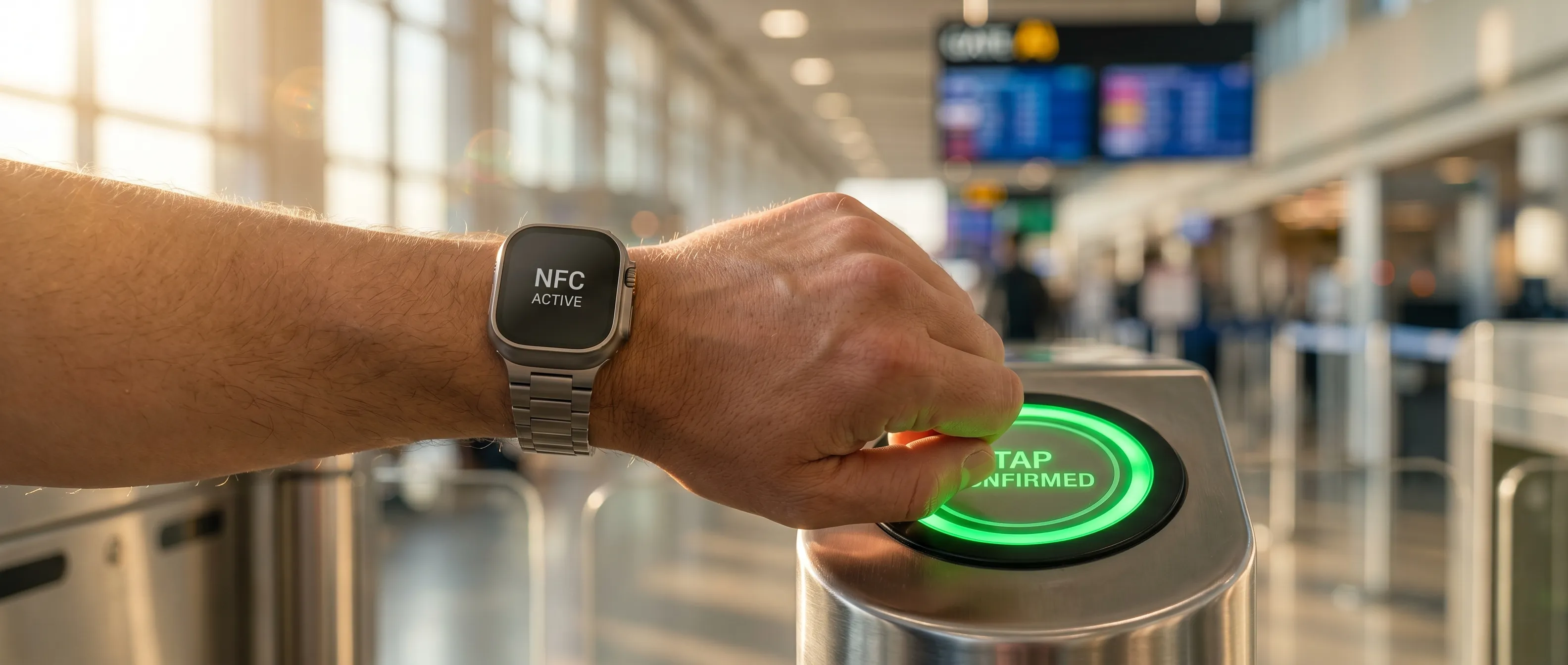
- Latency Matters: Ensure your mobile wallet is “Express Mode” enabled to meet the 0.5s gate response target and prevent pedestrian bottlenecks.
Our transit strategy is derived from 2026 UITP Modernization Reports and real-time MaaS (Mobility as a Service) data from Citymapper. We audited “Open-Loop” fare structures in London, NYC, and Singapore, cross-referencing them with Auckland Transport’s digital manual.
The Technical Reality of the Ghost Fare Trap
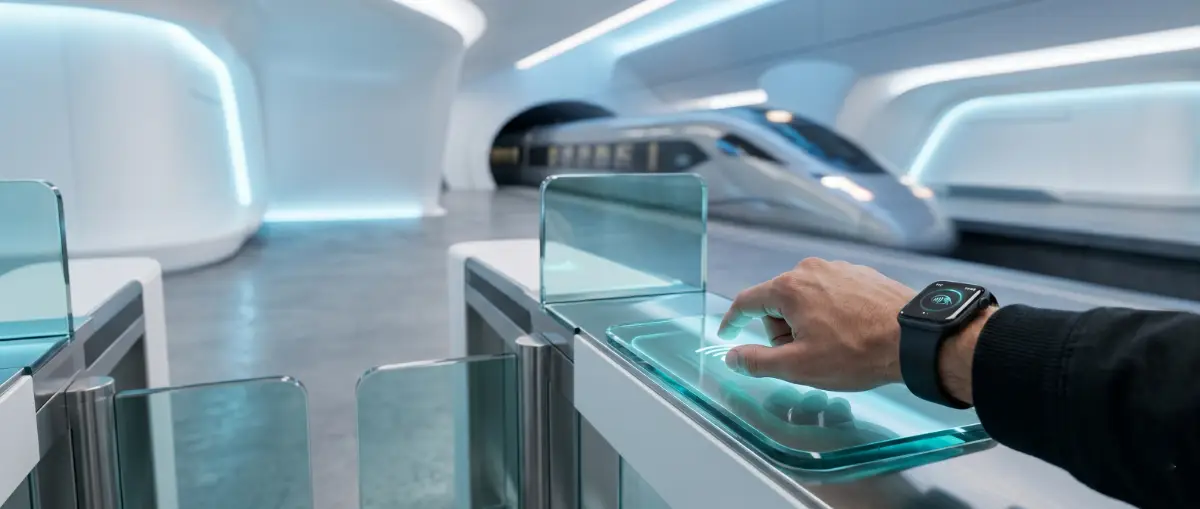
The “Ghost Fare” occurs when a traveler switches between a physical card and a digital wallet on the same journey, causing the system to double-charge. In 2026, transit servers use NFC tokenization to assign a unique identity to every unique hardware element. Even if your Apple Watch and iPhone share the same credit card, the system views them as two separate travelers, preventing you from hitting the daily fare cap.
Understanding Fare Capping Logic
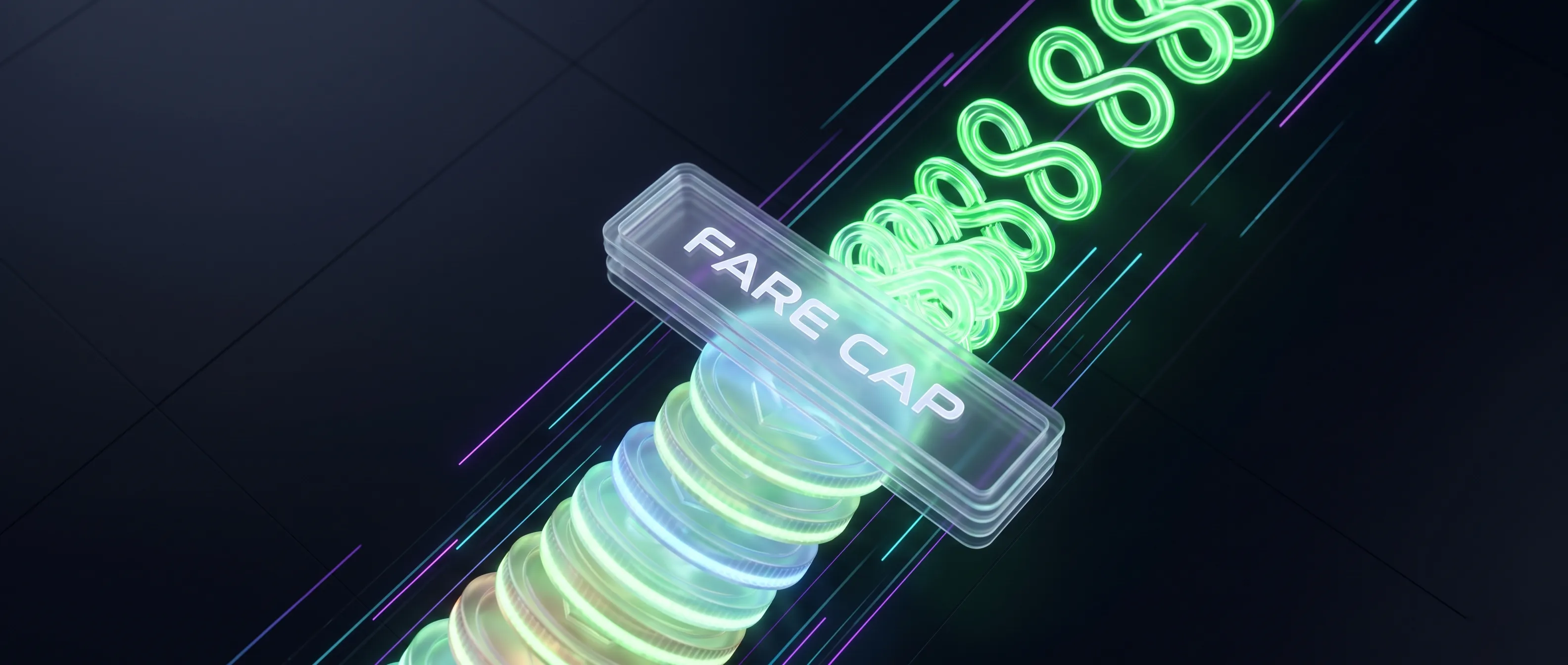
Fare capping is an automated financial benefit where the system stops charging you once you reach the price of a daily or weekly pass. However, this logic is strictly tied to the tokenized ID of your device. If you “tap in” with a phone and “tap out” with a watch, the system fails to close the journey, often charging the maximum possible “incomplete trip” fee on both devices.
MaaS and Interoperable Ticketing
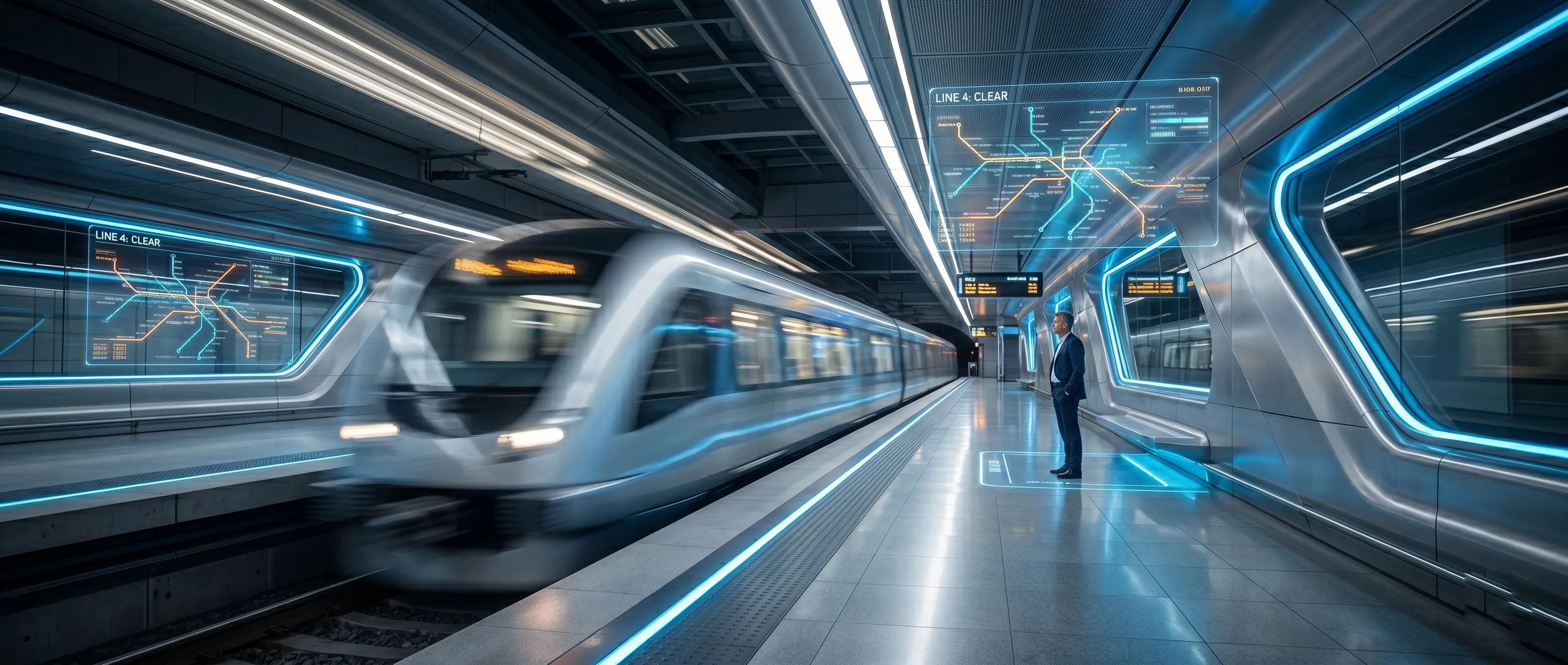
The rise of Mobility as a Service (MaaS) allows for interoperable ticketing across buses, metros, and even bike-shares. By integrating your payment method into a single MaaS app, you ensure that “First-Last Mile” connectivity is calculated into your total daily spend. This integration is essential for navigating the 13.4% annual growth of digital-only transit solutions.
Optimizing the First-Last Mile Connectivity
Mastering urban transit requires solving the “First-Last Mile” problem using integrated micro-mobility and autonomous shuttles. In 2026, the global share of transit transactions via tap-to-pay has reached 70%, meaning physical ticket kiosks are becoming obsolete. Travelers must now look for “Open-Loop” architecture that bridges the gap between major rail hubs and their final destination.
Metric Benchmarks for the Urban Navigator
Efficiency in 2026 is measured by “Gate Latency” and “Payment Interoperability.” A high-performing system targets a 0.5s response time at the turnstile. If your device takes longer, it typically indicates a “Card Clash”—where multiple NFC signals interfere with the reader, potentially charging the wrong card.
| Metric Component | 2026 Transit Standard | Financial/UX Impact |
|---|---|---|
| Contactless Share | 70% of Global Transactions | High (Reduced Kiosks) |
| Gate Latency | 0.5 Seconds (Target) | High (Prevents Jams) |
| Market Value | $360B (Embedded Payments) | Medium (Tech Stability) |
| Growth Rate | 13.4% (Digital Solutions) | High (App Adoption) |
| Fare Capping | Automated Daily/Weekly | Critical (Savings) |
The Expert Take on Card Clashing
"Card clashing is the most expensive mistake a modern traveler can make. When you tap a wallet containing multiple contactless cards, the reader may charge non-resident rates or two cards simultaneously."
Determining Your Optimal Payment Strategy
Choosing between a local “Closed-Loop” card and a global “Open-Loop” EMV card depends on the length of your stay and local discount eligibility. While “Open-Loop” tapping with a credit card is the most convenient for tourists, some cities still reserve deep “Resident Discounts” or student fares for their proprietary “Closed-Loop” physical cards.
- If staying for more than 7 days in one city: Then check if the “Closed-Loop” local card offers a deeper weekly discount than the standard “Open-Loop” daily cap.
- If moving between multiple cities quickly: Then stick to a single “Open-Loop” device (phone or watch) to maintain liquidity and avoid leftover balances on non-refundable local cards.
Pros
- ✅ No physical tickets to lose
- ✅ Automated currency conversion
- ✅ Instant transaction history in-app
Cons
- ❌ Battery dependency (no power = no exit)
- ❌ Potential Ghost Fares via device switching
- ❌ Data privacy concerns with MaaS tracking
Frequently Asked Questions
01 What is a Ghost Fare in public transit?
A Ghost Fare occurs when you switch devices (like phone to watch) during a single journey. The system fails to recognize you as one traveler, resulting in two separate, maximum-rate charges.
02 Can I use Apple Pay for all metros?
Most major global cities in 2026 support Apple Pay and Google Wallet via 'Open-Loop' EMV technology. Always enable 'Express Transit' mode to tap through gates without using FaceID or a passcode.
03 Is a local transit card cheaper than tapping a credit card?
Tapping a credit card is usually equal to the standard fare cap. However, local 'Closed-Loop' cards are often required to access specific resident, student, or senior discounts not available to tourists.
04 What should I do if my phone battery dies?
If your phone dies during a journey, you cannot 'tap out,' which results in a maximum-fare penalty. Always carry a backup power bank or a physical contactless card as an emergency alternative.
05 What is fare capping and how does it work?
Fare capping automatically limits the total amount you pay in a day or week. Once your individual journey costs hit the price of a pass, all subsequent rides are free.
06 How do I avoid card clashing?
To avoid card clashing, never tap your entire wallet against the reader. Select one specific card or device and hold it separately to ensure only one payment token is processed by the gate.

Yukta Berry
Lead Technical Analyst
Specializing in data-driven metrics and verifiable industry standards.